
Reviewed · CHINATOWN SINGAPORE WALKS
Private Singapore Food Tour in Chinatown and Little India
Two neighborhoods, one appetite. This private Singapore food tour links street eats with real-world stories, from hawker traditions to temple life in Chinatown and Little India. I love that you get a licensed local food guide who explains what you are eating and why, and I love the built-in 9 tastings that turn wandering into a smart food route.
One thing to consider is price, at $141.04 per person. If you are expecting unlimited eating on a budget, this is a set tasting experience, not an all-you-can-do-your-own-thing plan.
Key things you will like
- Private guide, licensed local food guide with explanations tied directly to the food and places you visit
- 9 authentic tastings designed as shared bites, not tiny samples
- Temple and heritage stops that go beyond photos, including Tang-style architecture
- Two-food-world strategy pairing Chinatown street culture with Little India market flavors
- Public transportation included, plus hotel pickup if you choose the With Pickup option
- No-guesswork eating at places you might miss when you arrive on your own
Still in Chinatown? Keep going
- Chinatown, Little India, Kampong Gelam City Highlights Tour★ 5.0 · 224 reviews
- Singapore: Chinatown Hawker Market Food Tour with 7 Food Tastings★ 5.0 · 213 reviews
- Singapore: Chinatown, Little India, Arab Street Walking Tour★ 4.9 · 207 reviews
- Singapore: Chinatown and Little India Guided Walking Tour★ 4.8 · 190 reviews
How This Chinatown and Little India Food Walk Works
This is built as a 3-hour private walking tour, with a clear food route and short stops for sights. You start at Chinatown MRT station and end near Little India MRT station, which keeps the whole day tied to Singapore’s easiest transport system.
What makes it feel efficient is that the guide does the social and cultural translation. You are not just eating and snapping photos, you are learning what the dish is, what the area is known for, and how food connects to the communities around it.
Another practical win: the tastings are meant for sharing, and they include a mix of carb-based dishes, popular snacks, and heritage foods. Translation for your appetite, you should come hungry and plan to be satisfied by the end.
Chinatown: Old Streets, Hawker Stories, and Temple-Proximity Eating
Chinatown is the starting act, and the tour starts by pointing you toward old streets and alleyways where hawkers once worked. That matters because Chinatown food is not random, it is shaped by migration, crowd life, and the practical rhythm of getting fed quickly close to where people live and trade.
Expect this part to feel like a guided walk with frequent food context. The guide clues you in on Singapore history, culture, and religion while you move through the neighborhood, so you are building a map in your head rather than collecting disconnected stops.
A small consideration: Chinatown can be a little crowded around MRT corridors and popular lanes. That is normal, but it means you should wear comfortable shoes and be ready for close quarters during peak times.
Maxwell Food Centre Tastings: Why This Stop Defines the Meal
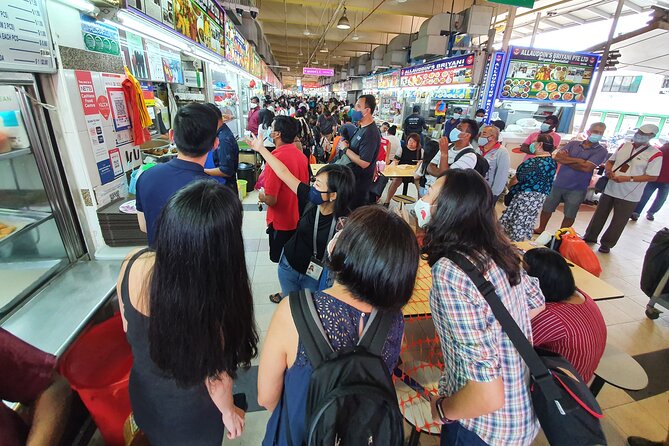
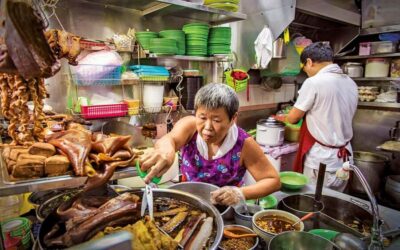
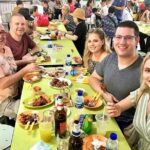
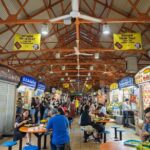
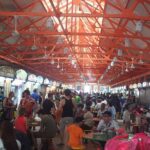
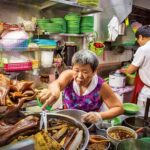
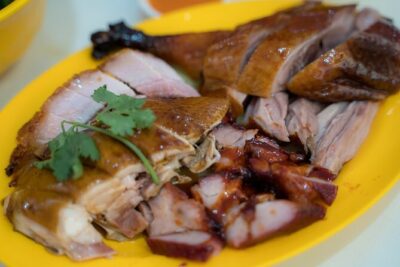
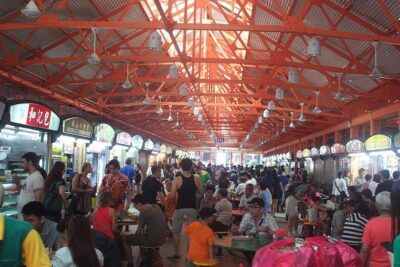
Maxwell Food Centre is where the tour leans hardest into Singapore’s hawker culture. It is a well-known place for street food, and the guide uses it as a classroom, explaining how multicultural influences show up in real dishes you can taste.
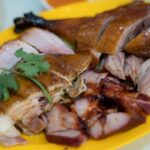
You will have a run of tastings here, and the total across the tour comes to nine authentic tastings. In other words, you should not expect just one snack stop. You are getting a food sequence, with enough variety to feel like Chinatown and Little India each have their own identity.
Why this matters for your value: tastings are organized so you do not have to study menus, pick the right stall, and hope you guessed correctly. That is especially helpful if you are short on time or not confident ordering across different languages and styles.
The tradeoff is that tasting portions are still portions. If you are the type who wants a full plate of one dish, repeatedly, this may feel like you are moving too fast. I would treat it as a guided sampler that rewards curiosity more than appetite for one single favorite.
Further down Serangoon Road and the lanes off it
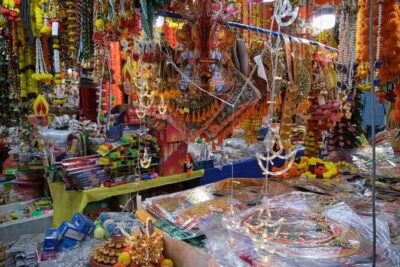
Buddha Tooth Relic Temple and Museum: Tang-Style Architecture Meets Photo Stops
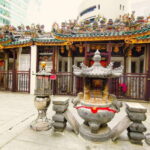
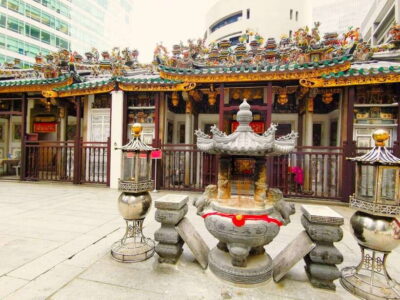
Right in the middle of the walking route is a temple and museum stop at the Buddha Tooth Relic Temple and Museum. You get to see a Chinese temple built in the Tang style, and you will have time for photos of the prominent Chinatown landmark.
This stop works because it adds a pause that is not just scenic. The guide’s discussion of culture and religion helps you understand what you are seeing instead of just ticking off a building.
The practical side: the time here is short, about 15 minutes, and admission is listed as free. That means it is designed as a quick hit, not a long museum afternoon, so manage expectations if you like to read every exhibit.
Tekka Centre: Roti Prata, Rojak, and Market-Style Variety
When you hit Tekka Centre in Little India, you are shifting from Chinatown’s lane-energy to a busy food market focus. This is one of the stops that feels most like what people imagine when they picture Indian street food in Singapore.
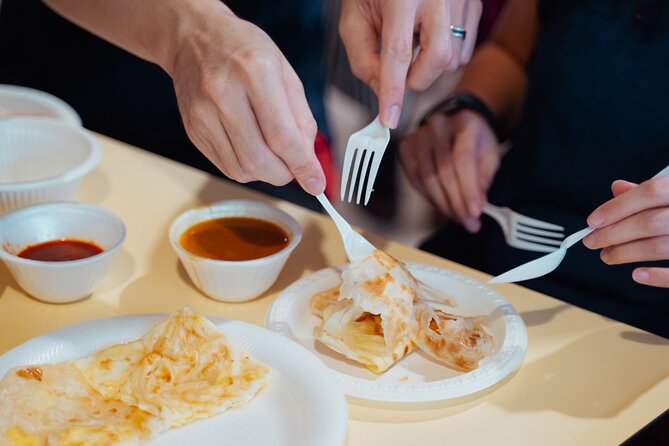
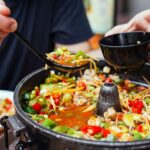
You will taste a selection of local foods such as roti prata (Indian flat bread), rojak, and other local favorites. That combination alone tells you the tour is aiming for variety: bread-based comfort, sweet-salty balances, and local adaptations that are hard to replicate at home.
Tekka is also a good place to learn how to order and what to look for in stall-style cooking. Even if you do not remember every detail, you come away with a better sense of what counts as street-food comfort here.
A consideration: this is a food-heavy segment, and ingredients commonly include gluten and dairy. If you have sensitivities, you will want to think carefully before booking, and you should be ready to ask about what is in each tasting.
Serangoon Road Walk: Indian Street Snacks and Street Art Stops
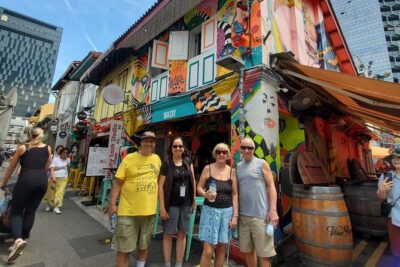
Next you roll through Serangoon Road, another Little India zone that feels lively and storefront-driven. This stretch is designed as a snack-and-walk, with photo opportunities and time to spot hidden street art and shops along the main thoroughfare.
You will also taste Indian street snacks here. This is a great contrast after Tekka Centre because you are seeing how street food culture spills out beyond a single indoor or market hall.
The upside for you: this portion helps you understand Little India as a neighborhood, not just a dining destination. You get the texture of shops, signage, and street-level life, which makes your photo roll feel more like a story.
The downside is simple: you will walk more than you think if you are used to taxi-and-ride travel. Bring water, and keep your pace steady so you do not rush through the snack moments.
The Hindu Temple Refuge Story and a Little India Chinese Villa
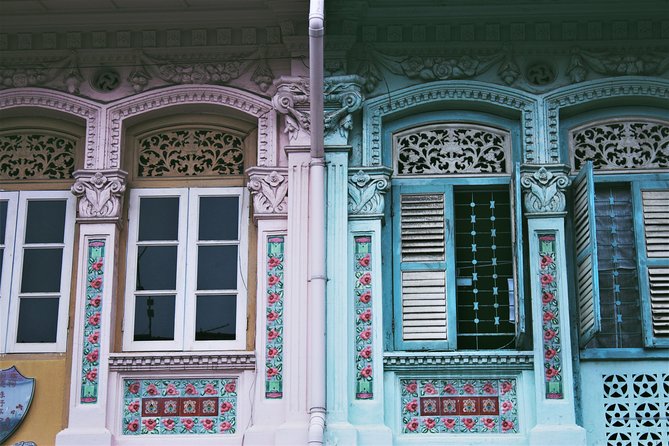
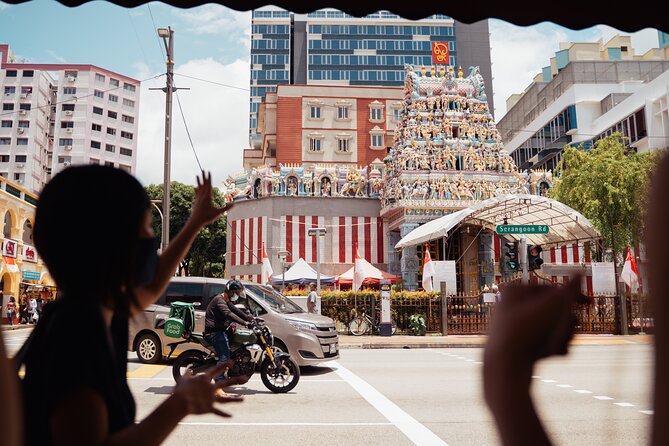
Two stops in Little India add a layer of history that goes beyond food. One is a historic temple that once served as a refuge during the Japanese War Occupation, with the guide explaining how the temple remains relevant to the Hindu community. You also get photo taking opportunities.
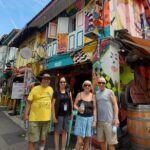
The second is architectural, a stop at what is described as the last surviving Chinese villa in Little India. It is a hybrid of Malay, Chinese, and European architectural influences, and the tour gives you time for photos as well.
Why I like these stops for a food tour: they explain why the area feels the way it does. Even if you only remember a few points, you end up connecting religion, migration, and neighborhood design to what you are eating across the street.
A quick reality check: these are short photo and explanation moments. If your travel style is super detail-focused, you might want to follow up later with additional reading on your own.
Campbell Lane: Flower Garlands, Markets, and Heritage Centre Energy
Your final stretch includes Campbell Lane, which gives you a slice of local life. The tour points out flower garland artisans, street markets, and the nearby Little India Heritage Centre, so you get one last hit of neighborhood character.
This stop is useful because it acts like a finale that ties the whole route together. You have moved through Chinatown’s food heritage, then into Little India’s street-food and faith spaces, and here you see the everyday details that keep the neighborhood alive.
Time here is listed as about 15 minutes, so it is not a long lingering moment. Still, it is a smart wrap-up, especially if you still want to grab one last snack on your own after the tour ends.
Price and Value: Is $141.04 Worth It
At $141.04 per person for around 3 hours, the price will feel high if you compare it to buying your own street snacks at random. But this is not really selling food alone.
You are paying for:
- a private licensed local food guide
- a planned route across Chinatown and Little India
- nine tastings that are meant for sharing
- public transportation included
- short cultural stops like the Tang-style temple landmark
There is also a practical value in not having to decide everything in the moment. The guide handles the ordering, the pacing, and the cultural context so you are not spending your limited energy guessing.
Where cost can feel questionable: if you want bigger servings, or if you only like one type of cuisine, a set tasting menu might not satisfy your personal appetite the way a free-form eating plan would. One review also flagged that the tour can feel expensive for the specific amount of food served, so I would treat it as a guided sampler first and a lunch replacement second.
On balance, I think this price makes sense if you want both food and meaning, plus you want to avoid wasted time searching for the right stalls.
Dietary Needs, Spice Levels, and How to Handle Restrictions
Food tours always come with ingredient realities, and this one is very clear about common allergens. Tastings can include soy, gluten, wheat, chicken, pork, dairy, nuts, and spices, so it is not suitable for travelers who are vegan, gluten intolerant, or who have allergies.
That part is non-negotiable. If your diet has strict requirements, you should take this seriously and do not gamble on assumption.
That said, the human side can matter. In the guide experiences people shared, guides like Rachel, Kelvin, and Corliss were praised for helping match tastings to dietary restrictions for their group. I still recommend confirming your needs during booking and asking how your specific limitations can be handled, since ingredients vary by dish.
Spice is another consideration. You will be in Chinatown hawker stalls and Little India snack counters, and the guide can help you navigate what is spicier and how to pace it. If you want mild flavors, say it early so the guide can steer choices.
Practical Tips for Rain, Shoes, and Getting Around by MRT
This tour runs on public transportation, and you start at Chinatown MRT station. If you choose the With Pickup option, hotel pickup is available, but the default flow is built around easy MRT access.
Wear casual clothes and comfortable footwear. You are walking between neighborhoods and making several short stops, so cushioning matters.
Singapore weather can change quickly, so bring a poncho or umbrella and water. The tour times for individual stops are short enough that you do not want to be stuck in the rain without a plan.
Also, you will receive a mobile ticket, which helps when you check in and keep the day moving.
Who This Singapore Food Tour Is Best For
This tour is a strong fit if you:
- want a guided Singapore food tour that includes both Chinatown and Little India
- enjoy learning how religion and migration shape what gets cooked
- like structured tasting routes rather than deciding everything yourself
- want private time with a guide so you can ask questions as you go
It is also a good pick for first-time Singapore visitors who feel a little overwhelmed. You end up seeing key cultural landmarks and eating your way through neighborhoods in one organized sweep.
If you are traveling with a very strict diet or multiple allergies, you should skip this one because the ingredient list is broad. And if you are the type who always wants one big main dish, repeatedly, you may find the tasting format less satisfying.
Should You Book This Private Chinatown and Little India Food Tour?
Book it if you want more than a food list. You will get a guided route through two neighborhoods that feel totally different, plus cultural and religious context that helps your brain connect the dishes to the place.
I would also book if you value efficiency. Starting at Chinatown MRT and ending near Little India MRT keeps the day clean and easy, and the included public transportation means you are not piecing together logistics while hungry.
Skip it if you are vegan, gluten intolerant, or allergy-prone, or if you dislike the tasting format. This tour is built around set shared bites, not endless choice and not one long sit-down meal.
If you fit the middle, you are likely to enjoy it, especially for the mix of street food, temple photo stops, and neighborhood learning.
FAQ
How long is the private Singapore Food Tour in Chinatown and Little India?
It runs for about 3 hours.
Where do I start and end the tour?
You start at Chinatown MRT station and the tour ends near Little India MRT station.
How many food tastings are included?
The tour includes 9 authentic food tastings.
Is hotel pickup available?
Hotel pickup is available if you select the With Pickup option.
Does the tour use public transportation?
Yes, public transportation is included.
What should I wear or bring?
Wear casual attire with comfortable footwear. Bring a poncho or umbrella and water for hydration.
Is the tour suitable for vegan travelers or people with gluten intolerance?
No. Tastings can include soy, gluten, wheat, and other common ingredients, so it is not suitable for vegan, gluten intolerant travelers, or those with allergies.
Can I cancel for a full refund?
Yes. Free cancellation is available up to 24 hours in advance for a full refund. If you cancel less than 24 hours before, the amount paid is not refunded.
More Hawker Runs and Tasting Trails
Further Down Serangoon Road
Still in Chinatown? Keep Going
Newest on the Singapore beat


Chinatown Singapore Walks, side by side.
 ★ 5.0Chinatown, Little India, Kampong Gelam City Highlights TourFrom $80224 reviews
 ★ 5.0Chinatown Hawker Market Food Tour with 7 Food TastingsFrom $146213 reviews
Chinatown, Little India, Arab Street Walking TourFrom $53207 reviews
★ 5.0Chinatown Hawker Market Food Tour with 7 Food TastingsFrom $146213 reviews
Chinatown, Little India, Arab Street Walking TourFrom $53207 reviews
 ★ 4.8Chinatown and Little India Guided Walking TourFrom $78190 reviews
 ★ 5.0Chinatown Historic Walking Tour with LunchFrom $54134 reviews
 ★ 5.0Chinatown Hawker Food Tasting TourFrom $8896 reviews
 ★ 4.5Kampong Glam, Little India & Chinatown with Local Street Food TastingsFrom $17770 reviews
 ★ 5.0Chinatown Heritage Centre (Admission Ticket)From $2065 reviews
Where this one also appears