
Reviewed · SINGAPORE FOOD TASTING TOURS
Singapore: Chinese, Indian & Arabic Quarters, Culture & Food Tour
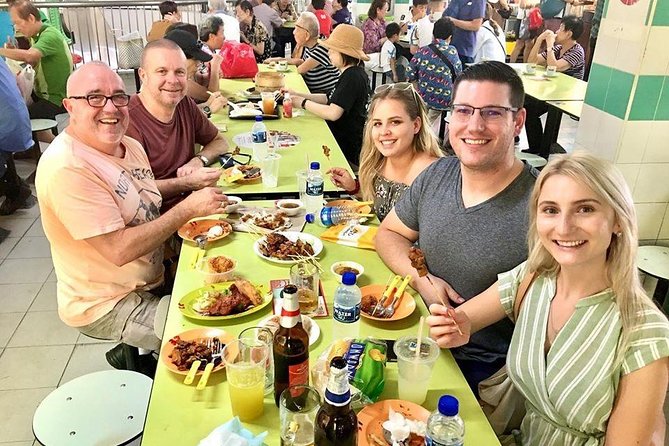
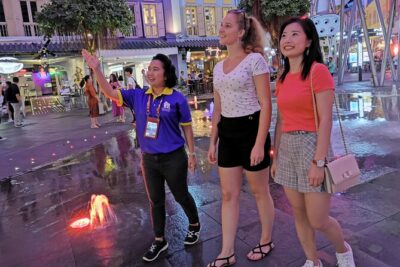
Three quarters of Singapore, one hungry morning. This 5.5-hour small-group walk turns street food into a history lesson, with tastings at UNESCO listed hawker centres and a real-world stop at the Sultan Mosque. Your guide is Gerry Tan, a 4th generation Singapore Chinese Peranakan who links what you eat to why each neighborhood looks and tastes the way it does.
I like that the tour is built around eating like a local, not nibbling like a tourist. You get coffee or tea, lunch, dinner, snacks, soda, bottled water, plus alcoholic and non alcoholic beverages. One consideration, though: this isn’t the best pick if you have dietary limits, and it is mostly walking, so you want moderate physical fitness and a heat-proof mindset.
Key things I’d watch for before you book
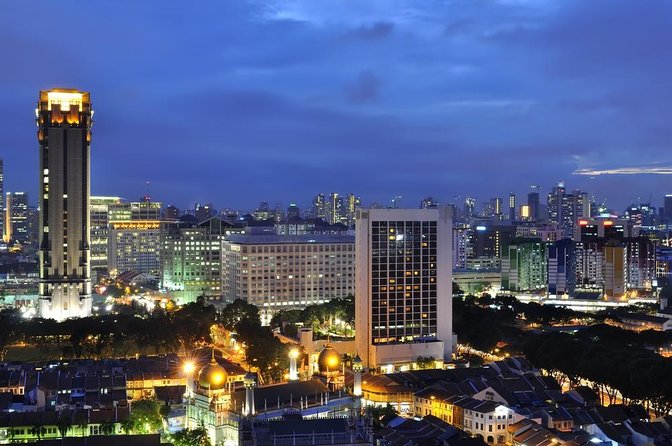
- UNESCO hawker centres for tastings: the food comes from Singapore’s famous open-air tradition, not sit-down tourist menus.
- Three neighborhoods in one morning: Chinatown, Little India, and Kampong Glam are close enough for a walking tour, far enough to feel like three different cities.
- Sultan Mosque in Kampong Glam: it’s not just a photo stop, you get context about the area’s Malay roots.
- Gerry Tan’s storytelling style: from Peranakan family perspective to street-level history that makes the place feel lived in.
- Plan to eat a lot: bring an appetite, because the pacing is designed for multiple tastings and full meals.
- Small group size (max 8): more time for questions and fewer “lost in the crowd” moments.
More hawker centres, more tastings
- Small Group: Michelin and Local Hawker Food Tour with 9 tastings★ 5.0 · 1,890 reviews
- Small Group: Singapore Street Food & Night Tour with 9 tastings★ 5.0 · 1,240 reviews
- The Award-Winning PRIVATE Food Tour: 10 Tastings of 3 Cultures★ 4.5 · 1,017 reviews
- Singapore: Chinese, Indian & Arabic Quarters, Culture & Food Tour★ 5.0 · 789 reviews
A smart route through Singapore’s real neighborhoods
This tour makes a simple promise: three of Singapore’s biggest cultural quarters, covered by foot and food. You start in Chinatown, then you head into Little India, and finish in Kampong Glam, in the Malay Quarter area. It’s a good way to understand how Singapore’s communities sit side by side, without feeling like you are bouncing around random attractions.
The best part is that each neighborhood has a different “language.” Chinatown has a different rhythm, different shop signs, and different food traditions. Little India is all color and spice, with markets, incense, and the feeling of constant motion. Kampong Glam shifts again, and that is where the Sultan Mosque moment lands with more meaning than just architecture.
If this is your first day or second day in Singapore, this route can help you get your bearings fast. You learn how neighborhoods connect, plus the food stops give you something tangible to remember.
Price and value: what $148 gets you in food and drinks
At $148 per person for about 5 hours 30 minutes, you’re paying for more than a walking guide. You’re paying for meals and drinks that can easily cost a chunk of your day if you try to wing it.
Included in the package are coffee or tea, lunch, dinner, snacks, soda, bottled water, and both alcoholic and non alcoholic beverages. That matters in Singapore because food can add up fast once you start tasting across districts. Here, the value is that the tour does the selection work for you and keeps the day flowing, so you are not stopping every few minutes to decide what to eat next.
You also get the guide time. Gerry Tan is described as upbeat, funny, and deeply connected to local food culture. The result feels less like “tourist sampling” and more like a coordinated local outing, with history folded into the stops instead of tacked on at the end.
Chinatown: early history, hawker food culture, and a full start
Your morning begins in Chinatown, where the streets set the tone immediately. You get the visual cues first, then you get the stories: how this area developed and how early Chinese communities shaped what you see now. The tour is built around walking and short explanations, so the history stays attached to the place, not floating in your head like a lecture.
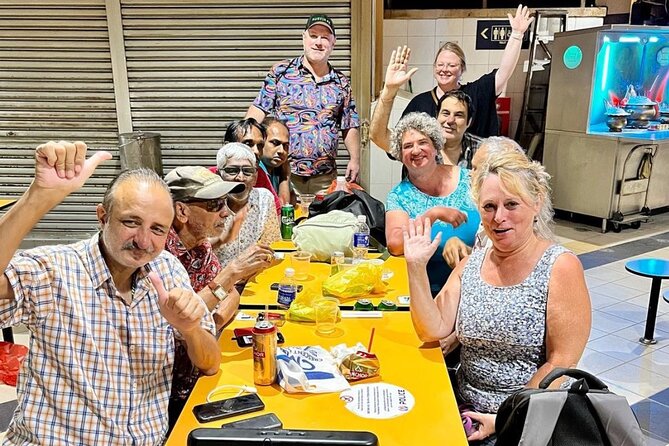
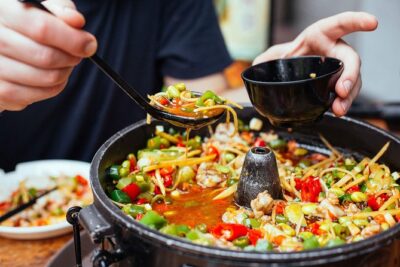
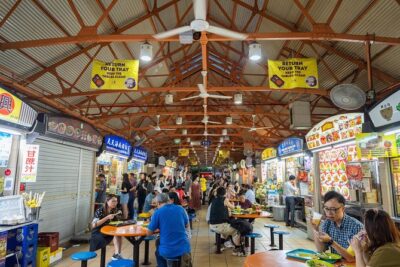
Food-wise, this is where you start learning the hawker-centre pattern. You’ll be tasting local dishes from UNESCO inscribed hawker centres, which is a big deal if you want the real Singapore food scene instead of expensive restaurant replicas.
Some guests highlight dumplings as a standout in Chinatown, including soup dumplings at Chinatown Complex. Whether or not that exact bite shows up for your group, the structure is consistent: you get classic choices first, then the day ramps up.
Practical tip: Chinatown is a strong start, but you will have more food coming. So treat the first tastings like a warm-up, not the main event.
Little India: markets, incense, and where heat becomes part of the fun
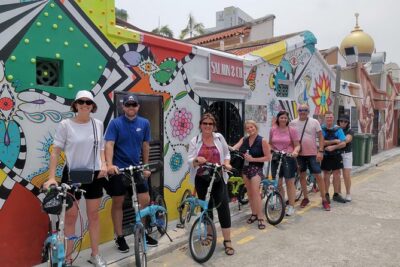
Next comes Little India, and it hits you in the senses. You’ll pass street stalls with fresh produce, flower garland markets, traditional clothing shops, and incense sellers. It’s a great neighborhood to learn by walking because you can see the commerce and culture side by side.
From there, the food continues the theme: hawker-centre tastings, multiple bites, and plenty of chance to ask questions. If you like spicy, this is the quarter where the flavors usually lean louder and richer. You’ll also spend time around market areas, and you may even see the wet market and vegetable market in action, where shopping is fast and loud and very real. One added touch from a recent experience is a stop near a Buddhist temple just outside the market area, which helps tie the neighborhood’s spiritual life to everyday street scenes.
One practical consideration: Little India can feel crowded, especially on busier days. If you’re sensitive to noise or strong smells, pace yourself. Take a slower look during the walking breaks, and save your energy for the hawker tastings.
Kampong Glam: Malay Quarter streets, Sultan Mosque, and meaning beyond photos
Kampong Glam is where the tour adds weight. The streets are smaller, the atmosphere changes, and the history gets more layered. You spend time exploring the Malay Quarter and learning how this community has been embedded in Singapore since the early 19th century, including the role of Malay royalty.
Then you get the big moment: the grand Sultan Mosque. It’s a photo-worthy stop, but the value here is context. You’ll understand why the mosque anchors the quarter, and how the neighborhood’s identity connects to the architecture and the surrounding streets.
Right after you’ll likely see the everyday side of Kampong Glam too, with shops and traditional fabric and carpet sellers described in past outings. It helps you connect “big landmark” with “how people actually live and buy things.”
By the time you reach the end of the day, you may also be in full recovery mode. One favorite finish mentioned is excellent ice cream, which is a smart way to cool down after a morning of walking and heat.
Gerry Tan’s impact: storytelling that connects food to place
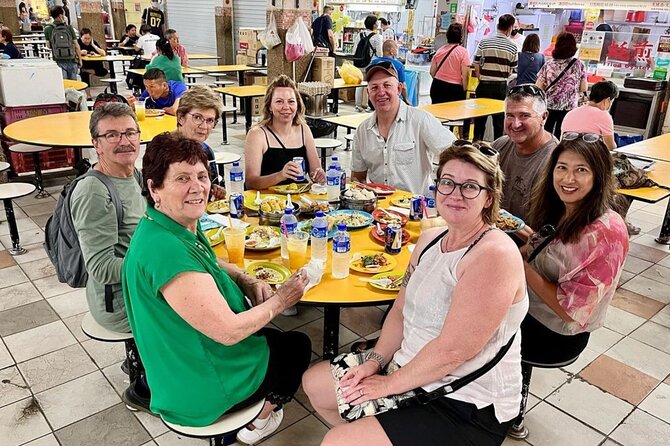
A food tour can become random if the guide just lists dishes. What makes this one feel special is Gerry Tan’s approach. He’s described as heartwarming and down to earth, with stories that tie to Singaporean culture instead of sounding like memorized facts.
He also brings a local perspective. One review described how he seemed to know people around the city, and how that kind of connection can help the tour run smoothly without wasting food. Another detail that stuck with guests is the way he uses visual aids, including an iPad showing what streets used to look like. That kind of comparison makes history feel physical.
Gerry is also noted as interactive, answering questions about food, culture, and even current issues. If you like to ask why things are the way they are, you’ll probably enjoy this format.
And yes, the movement matters too. Several experiences mention using public transport like the MRT and bus to move between areas. Even if you already plan to take transit on your own, watching how a local routes it can help you feel confident faster.
How much you’ll walk, eat, and drink (and how to plan)
This is not a sit-and-stand tour. It’s a walking morning with repeated tastings, plus lunch and dinner included in the package. Many guests stress coming hungry, and that advice is worth taking seriously. If you eat a full breakfast beforehand, you may still enjoy the tour, but you’re likely to feel stuffed before the day finishes.
Plan for heat. Singapore walking takes stamina, even when the route is well planned. Past experiences noted step counts around the 9,000 range, so think “big walk,” not “easy stroll.” This is why the tour asks for moderate physical fitness.
On the food side, the day is paced so you keep moving and then stop for tastings. Alcoholic beverages are included, and some groups mention beers like Tiger and even Guinness as part of the included drinks. If you’re mixing alcohol and spicy food, stay hydrated and go slow with the tastings.
Practical move: wear comfortable shoes with grip. Bring water (bottled water is included) but still manage your pace. If you get overheated easily, slow down at the transition segments and use shade breaks when you find them.
Who this suits best, and who should skip it
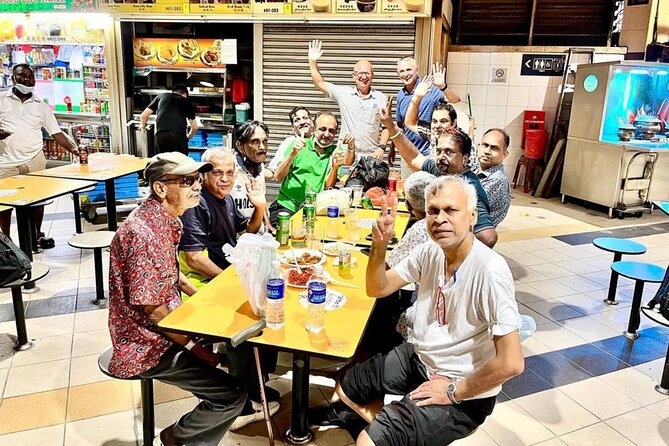
This tour is best for you if you want a food-led introduction to Singapore’s Chinatown, Little India, and Kampong Glam. It’s also a good fit if you like learning as you go, not reading museum labels for hours.
You’ll likely have a great time if:
- you eat a lot of street food comfortably
- you enjoy history tied to real neighborhoods
- you want drinks included, not added later
- you like small groups (max 8)
You should think twice if:
- you have gluten intolerance (not recommended)
- you have dietary restrictions (not recommended)
- you are vegetarian (the experience will be compromised)
- you need stroller-friendly or mobility-aid friendly touring (not recommended for prams or personal mobility aids)
- you’re expecting a low-walking day (it’s mostly walking, and heat is real)
This isn’t a private driver day. It’s a local-style outing with real movement, real food, and real neighborhood energy.
Should you book this Singapore quarters food tour?
Book it if you want the best version of a Singapore first-weekday morning: three cultural quarters, UNESCO hawker centre tastings, lunch and dinner, drinks, and a guide who connects the dots between food and neighborhood history. If you want one tour that sets you up to explore on your own later, this is a strong choice.
Skip it or look for an alternative if your diet is restrictive, if you need stroller or mobility-aid support, or if you prefer shorter walking tours. Also skip the heavy breakfast. You’ll enjoy the day a lot more with an empty stomach and a plan to pace yourself.
If that sounds like your travel style, you will probably leave feeling like Singapore is not just something you saw, it’s something you tasted and understood.
FAQ
Where does the tour start and where does it end?
The tour starts in Chinatown, Singapore, and ends back at the meeting point. That means you return to the area where you began.
Is pickup offered?
Yes, pickup is offered.
How long is the tour?
The tour lasts about 5 hours 30 minutes.
What food is included in the price?
Coffee and/or tea are included, along with lunch and dinner, plus snacks from local hawker centres.
Are drinks included?
Yes. The tour includes alcoholic beverages as well as soda and non alcoholic options, plus bottled water.
Do you visit UNESCO inscribed hawker centres?
Yes. The local food is sourced in UNESCO inscribed hawker centres.
How many people are in the group?
The tour has a maximum of 8 travelers, keeping it small-group.
Is the tour suitable for vegetarians or gluten intolerance?
No. The tour is not recommended for travelers with gluten intolerance, for vegetarians, or for people with dietary restrictions.
What if the weather is bad, or I need to cancel?
The tour requires good weather. If it is canceled due to poor weather, you will be offered a different date or a full refund. It also has free cancellation up to 24 hours in advance for a full refund.
More Tours in Singapore


More Tour Reviews in Singapore

More Hawker Runs and Tasting Trails
Newest on the Singapore beat


Singapore Food Tasting Tours, side by side.
 ★ 5.0Small Group: Michelin and Local Hawker Food Tour with 9 tastingsFrom $791,890 reviews
 ★ 5.0Small Group: Singapore Street Food & Night Tour with 9 tastingsFrom $791,240 reviews
 ★ 4.5The Award-Winning PRIVATE Food Tour: 10 Tastings of 3 CulturesFrom $1521,017 reviews
 ★ 5.0UNESCO Street Food & Cultural ExperienceFrom $161524 reviews
 ★ 5.0Singapore Market to Table Culinary Experience (Wet Market Tour included)From $112479 reviews
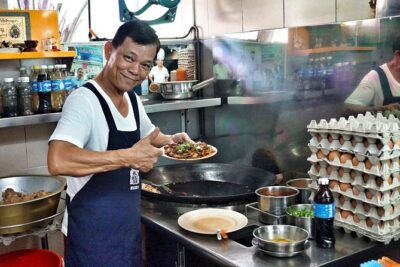 ★ 5.0Small-Group Food Tour With Hawker Center: Eat Like A LocalFrom $161420 reviews
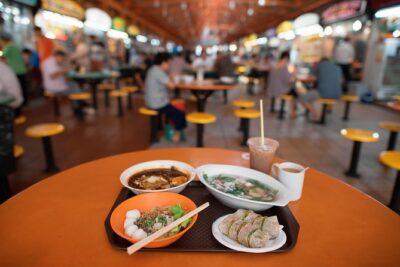 ★ 5.0Singapore Private Food, Culture and Heritage Tour with 9 tastingsFrom $185394 reviews
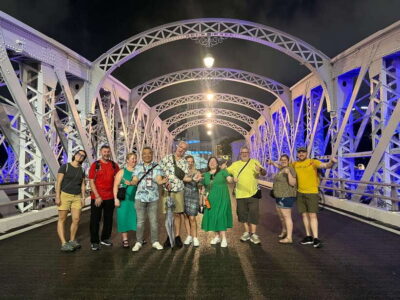 ★ 4.5Guided Street Food Tour at NightFrom $72393 reviews
Where this one also appears