
Three neighborhoods, one walking day. I love the hidden alleys and photo-ready murals that make these areas feel like more than postcards, and I also like the insider food and drink tips that help you eat well after the tour. One thing to plan for is that MRT fares and food are on your own, so your total cost can creep up.
This is a 4-hour route that starts at Starbucks Chinatown Point, then heads straight into the old-meets-new side of Singapore with a guided stop at Buddha Tooth Relic Temple. You’ll move on to Chinatown markets and temples, then continue into Little India for spice shops and henna art before ending with Arab Street and Haji Lane’s street art and Middle Eastern flavors.
A standout stop is Parkview Square, known as the Batman Building, where you can line up a great art deco photo. The tour runs in rain or shine, and Singapore heat is real, so bring water and an umbrella and aim for an earlier time slot if you can.
Key points to know before you go
- Max 10 people keeps the pace human and makes it easier to ask questions on the spot
- Buddha Tooth Relic Temple gives you context before the streets get busy
- Parkview Square Batman Building is a strong photo stop with art deco attitude
- Little India stops focus on what you see and smell, plus henna art details
- Arab Street plus Haji Lane mixes boutiques, murals, and Middle Eastern food vibes
- MRT use during the walk helps you get your bearings fast for the rest of your trip
Still in Chinatown? Keep going
- Chinatown, Little India, Kampong Gelam City Highlights Tour★ 5.0 · 224 reviews
- Singapore: Chinatown Hawker Market Food Tour with 7 Food Tastings★ 5.0 · 213 reviews
- Singapore: Chinatown, Little India, Arab Street Walking Tour★ 4.9 · 207 reviews
- Singapore: Chinatown and Little India Guided Walking Tour★ 4.8 · 190 reviews
Why this Chinatown, Little India, and Arab Street route makes sense
If you only visit Singapore in big-ticket ways, you miss the city’s real superpower: daily life in different communities. This tour knits three famous areas into one practical walking loop, so you see how the city’s identity shifts from block to block.
I like that the stops are not just landmarks. You get temple context first, then street-level scenes, then small surprises like alleys with mural walls where you can actually stop and frame your photos.
And because it’s small, you’re less likely to spend the whole day trying to keep up. This kind of route works best when you have time to look up, not just look forward.
Getting started at Starbucks Chinatown Point, then learning the flow
Your meeting point is simple: the entrance of Starbucks at Chinatown Point Mall. From the start, the plan is clear. You will walk, use local transportation during parts of the experience, and keep moving at a steady pace that fits a 4-hour window.
That MRT piece is worth flagging early. MRT subway fares are not included, so budget for them like you would for any other transit ride. The upside is that you also learn the basic rhythm of getting around on your own later.
What to do before you meet your guide: wear shoes you can walk in for a full stretch of time. Singapore can get hot and humid, and this tour is built around walking, not just short landmark peeks.
Buddha Tooth Relic Temple, a calm start with clear meaning
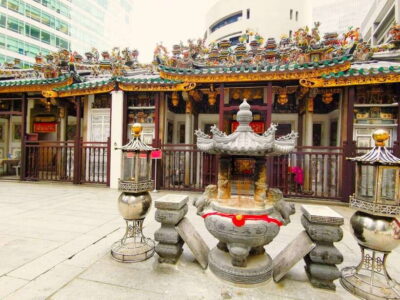
The first guided stop is Buddha Tooth Relic Temple for about 30 minutes. This is a smart lead-in because it sets the spiritual and historical tone before you move into Chinatown’s streets.
Expect a guided orientation, not a quick photo dash. You’ll get enough grounding to understand why the area looks the way it does and why certain details matter to locals.
A practical tip from how this tour is run: you’ll be glad you started early if your time slot is in the morning or later morning range. Temple and shade breaks help you conserve energy for the walking sections that follow.
Further down Serangoon Road and the lanes off it
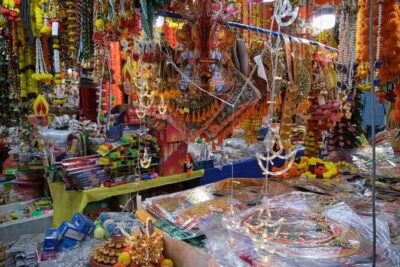
Chinatown walking time: markets, temples, and photo-friendly backstreets
Chinatown gets about 1 hour on foot, and this is where the tour turns into a street-level experience. You’ll walk through the areas people actually use, including temple spaces and market surroundings.
I really like the focus on hidden alleys and Instagram-worthy murals. It makes Chinatown feel less like a single sightseeing zone and more like a web of lanes, entrances, and little scenes that you would miss if you were trying to self-navigate with only a map app.
The trade-off is that Chinatown can be busy, and the day still includes plenty of walking. Keep your pace steady, and let the guide’s directions do the heavy lifting.
Parkview Square and the Batman Building photo stop
One of the special highlights is a visit to Parkview Square, known as the Batman Building, with its striking art deco style. This stop is valuable for two reasons.
First, it breaks the pattern of purely religious or old-street stops. You see a different side of Singapore’s design history, and you get that instant, recognizable photo moment.
Second, it gives you something you can build into your later exploring. Once you’ve seen the building up close on this route, you’ll have an easier time spotting other style contrasts around the city.
Little India: color, spice, and henna details you can actually notice
Little India takes about 45 minutes, and the vibe shifts fast from Chinatown. You’ll see colorful saris, aromatic spice shops, and intricate henna art.
What makes this portion work is that it’s not only about walking past shops. You get guided attention on what to look for, from visual details like designs and textures to the sensory side like spice shop smells.
Henna art is one of those things where it’s easy to glance and move on. With a guide, you’re more likely to understand what you’re seeing and why certain patterns show up the way they do.
Practical note: if you’re sensitive to heat or smell intensity, step in and out with breaks. The tour is designed for a walking pace, but you can still pause, hydrate, and reset as you go.
Arab Street: boutiques, street art, and Middle Eastern flavors
Arab Street gets around 30 minutes, and this is where the walking tour leans into street art and shopping streets. You’ll spot vibrant street art, eclectic boutiques, and Middle Eastern flavors in the mix.
The big value here is contrast. You just came from temples, spice shops, and henna. Now you see a different cultural flavor expressed in storefronts, signage, street murals, and the general feel of the area.
This is also a section where you can turn photos into a plan. If you spot a shop or a snack stall that catches your eye, you’ll know where to return later, since the tour walks you through the layout.
Haji Lane: finishing strong with murals and small-street character
After Arab Street, you add a short 20-minute walk at Haji Lane. The highlight is street art and the lane’s overall look and feel, which tends to deliver the most “stop and shoot” moments with the least time spent.
If you’re the type who loves wandering for a photo, this final stretch feels good because it’s short enough that you finish without feeling completely drained. If you’re not, it still works because you get the key visuals without getting stuck in a long shopping loop.
Bring your patience for crowds. In this part of Singapore, people often slow down for photos, and the tour pace stays smooth by keeping the group tight.
The guides and what you should expect from their style
The tour is led by an English-speaking, licensed local guide. That matters because you’re not just hearing facts, you’re getting the stories behind what you see, plus practical advice for what to do next in each neighborhood.
The strongest pattern across guide feedback is how often they check in and how well they handle questions on the go. Names that keep showing up include Priscilla, Chris, Jolynn, Tim, Quek, Ka Vee, Jamie, Cindy, and Raymond Teo, and the common theme is that they keep the experience moving while still making time for comfort stops like shade, drinks, or restroom breaks.
So here’s how to get the most out of the guide. Ask two kinds of questions early: what should I eat here later, and what would you skip if I’m limited on time? That lets you convert the walking tour into a real itinerary for the rest of your Singapore days.
Food, drinks, and what the tour does not include
Food and drinks are not included, so you’ll be making decisions during the day like a local does. The tour does promise insider tips on what to try, and that helps, but you still need to handle your own snacks and water.
This setup can be a plus if you have dietary needs or a specific budget. You can grab something quick in the areas you’re walking through, or you can keep your appetite for a sit-down meal after the tour ends.
One practical point: you should bring water and consider an umbrella. Even if the tour runs in all weather, you still want to stay comfortable so you can focus on the sights and not on overheating.
Price and value: what $53 gets you in 4 hours
At $53 per person for a 4-hour small-group walking tour, this is not an all-you-can-eat deal. But it is a fairly efficient value if you want three neighborhoods in one coherent day.
Here’s why I think it makes sense for many first-timers. You get a licensed guide, a guided temple segment, and multiple cultural districts that would be time-consuming to connect on your own. Plus, the small-group size (max 10) usually means less waiting around and more time spent actually seeing and asking.
What can reduce the value for some people is exactly what you need to budget for separately: MRT subway fares and food and drinks. If you don’t plan for those extras, you might feel surprised by your final spend.
Still, if you’re doing Singapore for the first time, this tour helps you get oriented fast. And orientation is real value, because it shapes what you choose to do the next day.
Timing, weather, and how to stay comfortable in Singapore heat
This tour operates in rain or shine, so you should plan for both sun and sudden showers. The practical takeaway is to pack like you’re walking around a hot city with unpredictable weather, not like you’re doing a casual museum stroll.
Comfort shoe choice matters because the walking is constant. Bring an umbrella, bring water, and consider early time slots if you can, since Singapore can be hot and humid.
If you start to feel tired, speak up. Many guide styles include attention to shade and restroom or drink stops, and asking for a pause is usually part of how the tour stays enjoyable.
Who should book this tour, and who should skip it
This is a solid choice if you want a structured way to see three Singapore neighborhoods with a guide’s context. It’s also good for foodies and culture lovers because you’ll get tips for local restaurants, bars, and must-try foods even though you buy your own meals.
It is not a good fit for everyone. The tour is not suitable for people with mobility impairments, wheelchair users, people over 95 years, or people over 70 years. It’s also not ideal if you do not handle steady walking well.
If you’re traveling solo, a couple, or with friends and you want to compare notes while exploring, the max 10 size helps. You get group energy without turning it into a mass herd.
Should you book the Singapore Chinatown, Little India, Arab Street walking tour?
I’d book it if you want to do three major districts in one half-day and you like walking that includes photo moments and local story context. The guide-led temple start, the Batman Building photo stop, and the hand-on feeling of spice shops, murals, and henna make the route feel like a real tour of the city, not a checkbox list.
Skip it if you hate spending extra on transit and snacks, or if you are not comfortable with a steady walking day in heat. Also, if your mobility is limited, look for an option designed with your needs in mind.
If you do go, go prepared. Comfortable shoes, water, and an umbrella turn a tiring day into a fun one, and they let you enjoy the best part: seeing how Singapore changes as quickly as you change streets.
FAQ
Where does the tour meet?
The meeting point is at the entrance of Starbucks at Chinatown Point Mall.
How long is the walking tour?
The tour lasts 4 hours.
What is the price, and is it per person?
The price is $53 per person for ages 5+.
Do I need to pay for the MRT or subway?
Yes. MRT subway fares are not included, and you pay for them yourself during the experience.
What should I bring for the tour?
Bring comfortable shoes, an umbrella, and water.
Is the tour suitable for everyone?
It is not suitable for wheelchair users or people with mobility impairments, and it is also listed as not suitable for people over 95 years and people over 70 years.
Kampong Glam, Three More Ways

Further Down Serangoon Road
Still in Chinatown? Keep Going


Newest on the Singapore beat


Chinatown Singapore Walks, side by side.
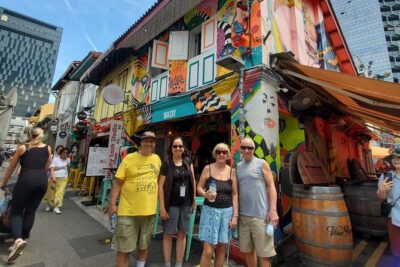 ★ 5.0Chinatown, Little India, Kampong Gelam City Highlights TourFrom $80224 reviews
 ★ 5.0Chinatown Hawker Market Food Tour with 7 Food TastingsFrom $146213 reviews
 ★ 4.8Chinatown and Little India Guided Walking TourFrom $78190 reviews
 ★ 5.0Chinatown Historic Walking Tour with LunchFrom $54134 reviews
 ★ 5.0Chinatown Hawker Food Tasting TourFrom $8896 reviews
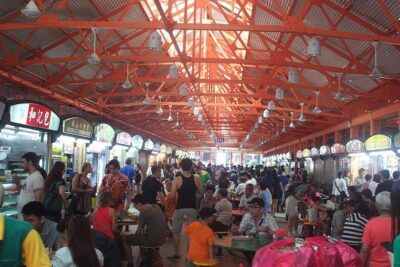 ★ 4.5Kampong Glam, Little India & Chinatown with Local Street Food TastingsFrom $17770 reviews
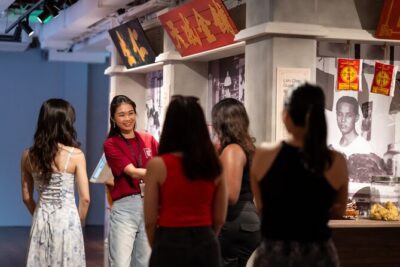 ★ 5.0Chinatown Heritage Centre (Admission Ticket)From $2065 reviews
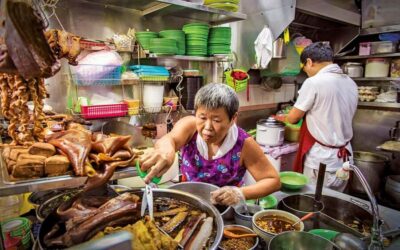 ★ 5.0Tasting Trails: Chinatown OR with Kampong Glam, Little IndiaFrom $6759 reviews
Where this one also appears