
Reviewed · CHINATOWN SINGAPORE WALKS
Tasting Trails: Chinatown OR with Kampong Glam, Little India
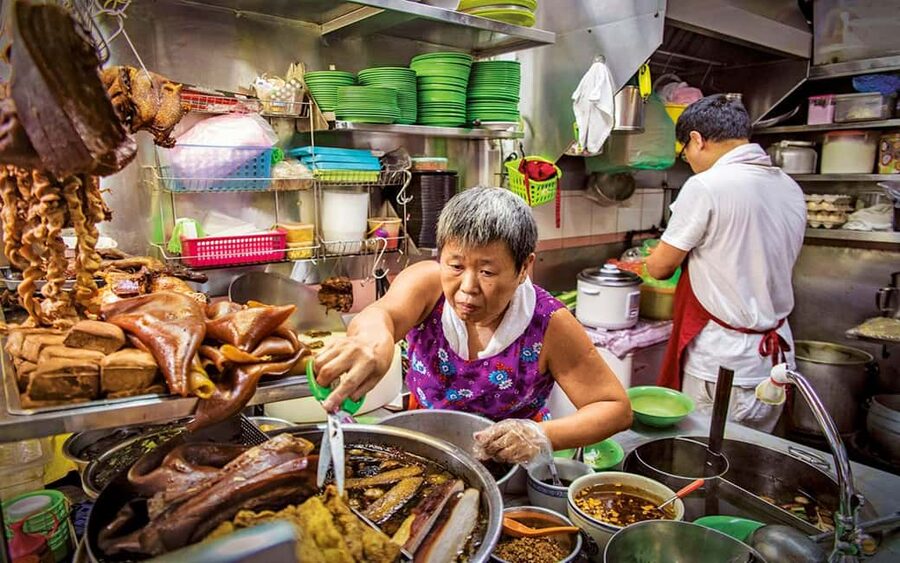
One afternoon, three districts, unlimited flavor clues. This tasting trail turns hawker stalls and heritage streets into a guided story, so you understand why the food tastes the way it does. I love the 8 to 10 local tastings and the way licensed guides like Dawn and Jeanette connect dishes to the streets you’re walking. I also like that you can choose Chinatown in 3 hours if you want a shorter plan. The one drawback to plan for is that many dishes are meat focused, so vegetarian choices can be limited.
I also like the pacing. You get a time-efficient mix of short walks, photo stops, and set tasting breaks at places such as Maxwell Food Centre and a traditional coffee stop, so you stay fed and informed without burning your whole day. If you prefer sit-down, plated meals with no standing in busy areas, this hawker-first format may feel like a different style than you’re used to.
Key highlights worth planning around
- 8 to 10 tastings from hawker stalls, heritage eateries, and local drink stops
- Licensed local guide who pairs each bite with history and culture on the move
- Two route choices (Chinatown-only or a full trio across three neighborhoods)
- Coffee culture lessons at a classic Nanyang-style coffee stop
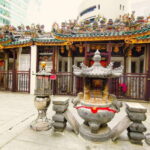
- Downtown-to-temple contrast with a short visit to Buddha Tooth Relic Temple
- Real hawker seating style with first-come shared tables as part of the experience
Still in Chinatown? Keep going
- Chinatown, Little India, Kampong Gelam City Highlights Tour★ 5.0 · 224 reviews
- Singapore: Chinatown Hawker Market Food Tour with 7 Food Tastings★ 5.0 · 213 reviews
- Singapore: Chinatown, Little India, Arab Street Walking Tour★ 4.9 · 207 reviews
- Singapore: Chinatown and Little India Guided Walking Tour★ 4.8 · 190 reviews
What you’re really buying for $67 per person
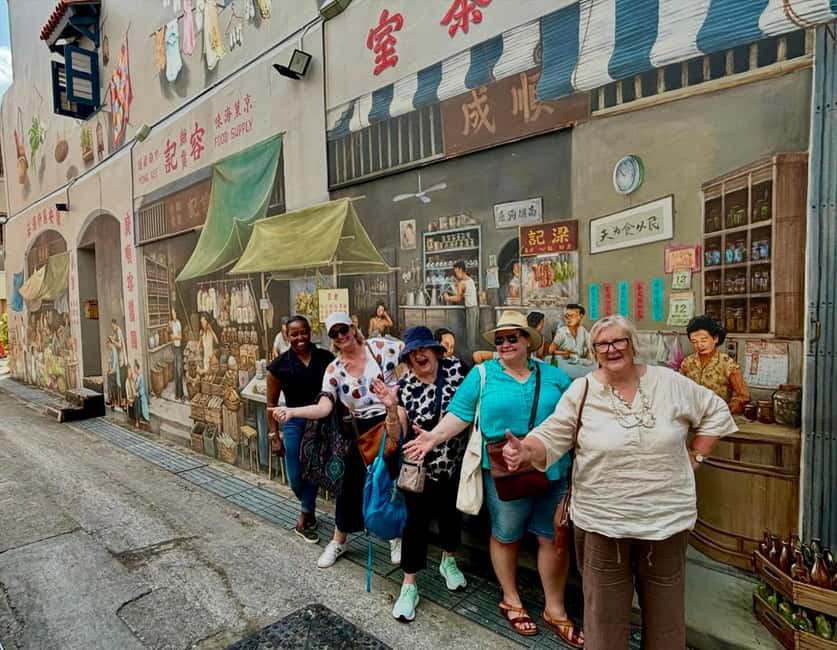
At $67 per person, you’re not paying just for food. You’re paying for a licensed guide who knows how to translate a neighborhood into flavor, plus a route that strings together multiple areas you would struggle to connect on your first day.
You also get a built-in structure. Expect 8 to 10 tastings plus at least one coffee or tea-style stop, and you’ll usually leave with the confidence to order at hawkers afterward. In the reviews, guides like Kelvin and Leo get called out for helping people pick dishes without making the tour feel strict.
One more value point: small group or private options are available. Even without a huge crowd, hawker tours can still feel chaotic, so keeping it personal helps.
Chinatown Heritage and Pagoda Street flavor start
The tour starts at a classic starting point near Little India, Bee Cheng Hiang at 69 Pagoda Street. From there, you begin with a quick tasting, then you move into Chinatown’s heritage zone on foot.
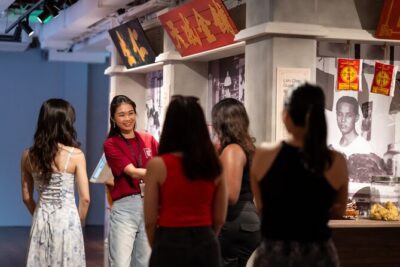
Chinatown Heritage Centre is a strong early anchor. It gives you context before you start spotting murals and heritage lanes, so the area stops feeling like random streets with food smells. Then you continue through photo-stop and walk segments such as Smith Street and Pagoda Street, where the guide points out details you would likely miss if you were just wandering.
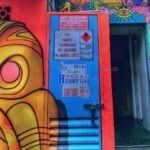
One street-level detail I like in this route is the mention of murals by artist Yip Yew Chong. That kind of visual cue matters in Singapore, because neighborhoods change fast, and public art is often the easiest way to understand a place’s identity.
Practical note: wear shoes you trust. Chinatown lanes can be uneven and busy, and you’ll be on your feet for short stretches throughout.
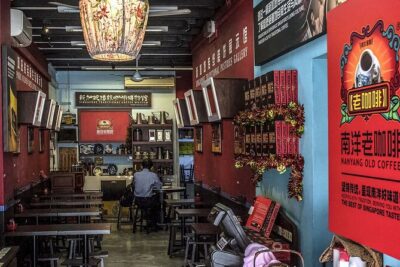
Old-school kopi at Nanyang Old Coffee (and how to order)
Midway through Chinatown, you hit Nanyang Old Coffee for a break and another food tasting. This is the kind of stop that turns a “grab coffee” moment into a mini lesson.
In the reviews, people specifically praised learning how to order different types of coffee or tea. That’s not a small thing. Once you understand the basic choices, you’ll spend less time guessing and more time enjoying the drink when you return later.
You’ll also get a short pause that makes the rest of the walk feel doable. Hawker tours move faster than you think, so breaks are not optional here.
Downside to consider: coffee and tea are part of the format, but it’s still a food-first tour. If you mostly want dessert or lighter snacks, you may need to adjust your expectations.
Further down Serangoon Road and the lanes off it
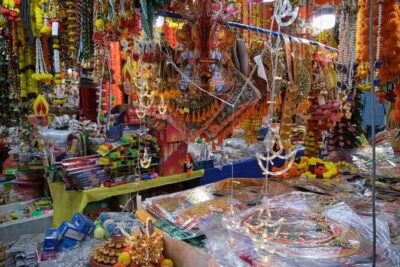
Maxwell Food Centre and Chinatown Complex: where the tastings add up
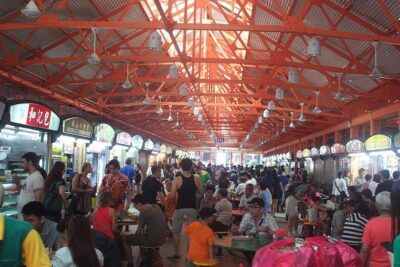
Two of the most important parts of this experience are the larger hawker stops: Maxwell Food Centre and Chinatown Complex.
Maxwell is a high-energy place to sample multiple dishes without needing to commit to a full meal menu on your own. The tour format is built for tasting, not eating one full entrée. That matters because you want variety, and tasting lets you try flavors across styles and ingredients.
Then you continue to Chinatown Complex for another guided tasting break. By this point, the tour has usually helped you connect patterns, like which stalls are known for certain preparations and how ordering works during busy periods.
A practical reality: most food stops are at local hawker stalls where seating is first-come, first-served. That is part of the charm, but it also means you might share space or sit where you can find space.
In the reviews, people also said they left very full, with guides making sure everyone was fed. That lines up with the 8 to 10 tasting focus, so eat less before you start.
Temple visit: Buddha Tooth Relic Temple as a calm reset
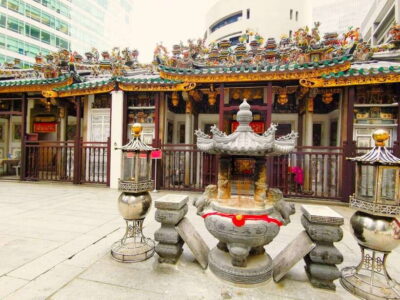
After more hawker intensity, the tour includes a visit to Buddha Tooth Relic Temple with a guided walk and photo time.
This section works because it shifts the tempo. You go from food counters to a cultural landmark, which helps your brain sort the day into themes. The result is less “I ate a lot” and more “I understand how belief, community, and food life overlap.”
Short temple stops also tend to be easier with kids or first-timers, since you’re not asked to stay too long in one place. It’s enough time to notice details and take photos, not enough time to overheat or over-walk.
Tip: bring sunscreen and a hat. Singapore sun can be sharp, and you’ll likely be outside more than you expect.
How the Kampong Glam and Little India trio changes the experience
If you choose the longer option, you add Kampong Glam and Little India to the Chinatown foundation. The experience becomes less about one tight historical district and more about Singapore’s neighborhood-to-neighborhood food identity.
Kampong Glam: Sultan Mosque and Malay bites
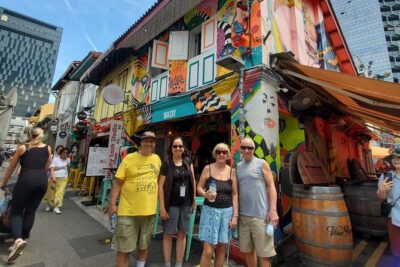
In Kampong Glam, you’ll get a guided walk through streets like Haji Lane and Muscat Street, plus a photo stop at Sultan Mosque with time to admire the golden dome.
This is where the flavors shift. The highlights call out Malay bites, seasonal tropical fruits, and kuih from family-run stalls. Even if you’re not a huge dessert person, this part helps you see Singapore as a blend of communities that share space and influence each other.
Street art and architecture matter here too. Kampong Glam is not just about food, it’s about visuals that explain why the neighborhood feels creative and strongly cultural at the same time.
Little India: spice, garlands, and dosai time
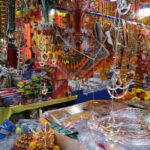
Then the tour ends in Little India with guided sightseeing and a sensory walk. The highlights point to spice markets, flower garlands, and bold street life around dosai.
You’ll also get mention of places such as Tan Teng Niah (as an iconic shophouse) and areas near Tekka Centre, where you can find strong local flavors. The guide also helps you spot dosai stalls you might not choose on your own.
One useful way to think about Little India on this tour: you’re learning to read the neighborhood quickly. Once you understand the food cues, you can come back later and feel like you know what to order.
Practical note: this is a walking-heavy neighborhood section. If you’re traveling with kids, bring snacks for outside breaks, just in case you’re waiting for the next tasting stop.
Pacing, transport, and why it feels time-efficient
Even though this is a food tour, it’s not nonstop eating. The itinerary is built around short guided segments, photo stops, and set tasting breaks.
You’ll also use public transport at least a couple times. The data lists subway or metro segments, and public transport is not included in the price. This matters for budgeting: bring enough cash or a transit card to cover the rides when you’re scheduled to move between districts.
The bigger reason the pace works is the logic of the day. You start with heritage context early, taste through hawker zones mid-day, and then finish with a neighborhood contrast in either Little India or a second Chinatown area stop.
In the reviews, people consistently describe a relaxed pace. Some guides, like Kelvin, were praised for friendliness and attentiveness. Others, like Dawn and Jeanette, were praised for connecting food to Singapore history and everyday life.
What meals taste like on this tour (and what to expect if you eat differently)
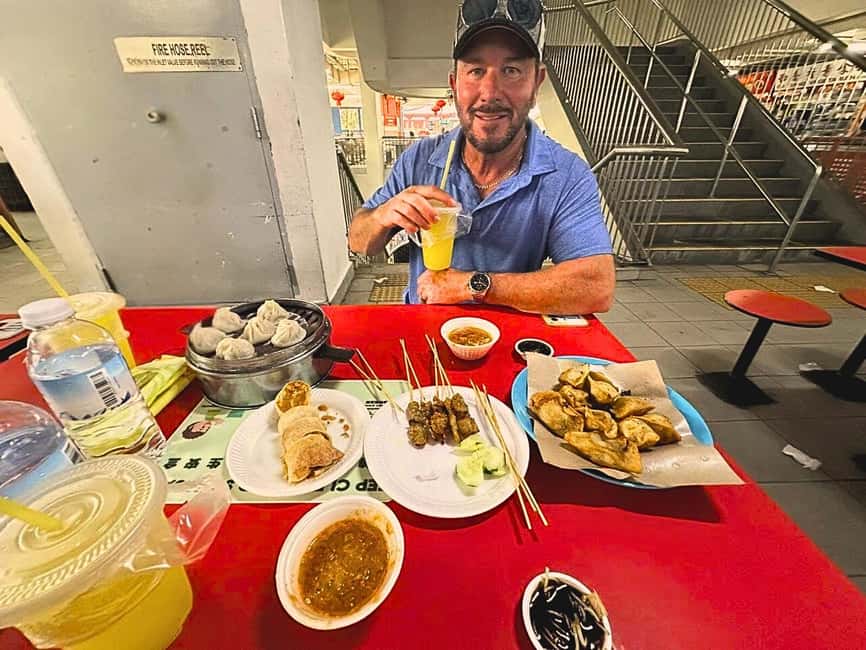
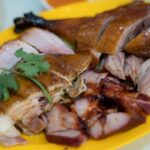
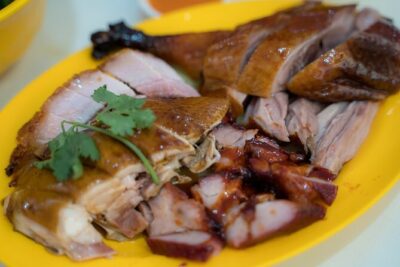
This tour focuses on local hawker meals and local drink culture. The highlights call out items such as roasted meats, dim sum, and kopi in Chinatown, plus Malay bites and kuih in Kampong Glam, and dosai in Little India.
Vegetarians
Vegetarians can join, but choices may be limited. The format is meat-based, so your best strategy is to tell the guide what you can eat and be realistic about what’s available at the stalls that fit the route that day.
Allergies
If you have allergies, tell the operator in advance. Food is prepared by external vendors, so they cannot guarantee allergen-free meals.
Given that hawker stalls share kitchens and preparation surfaces, this is one of those situations where “I’ll just avoid that one ingredient” can be risky. Communicate clearly before you go, and consider whether you have a safety plan for tasting.
What to bring so you enjoy the walking parts
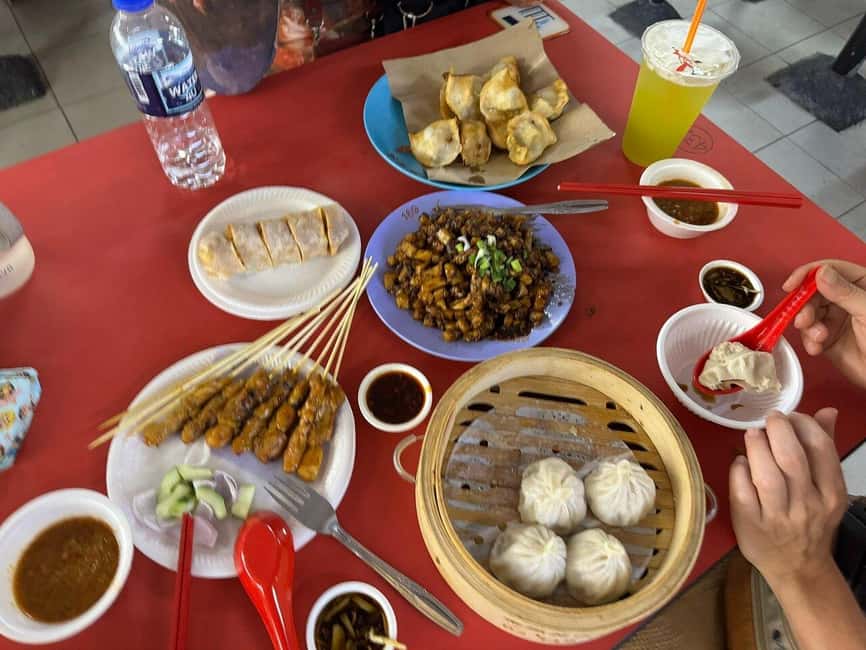
You’ll be outside for photo stops and neighborhood walks, so pack for Singapore weather and crowd density.
Bring:
- Comfortable shoes
- Hat
- Umbrella
- Camera
- Sunscreen
- Water
It also runs rain or shine. That’s another reason the umbrella matters. In humid weather, shade breaks help, but you will still cover ground.
Who this tour is best for
This is a strong fit for:
- Couples and solo travelers who want a clear plan, not guesswork
- Families who like stories and street life, and can handle short walks
- Food lovers who want to taste lots of variety in a few hours
- First-timers who want a shortcut to understanding Singapore neighborhoods
In reviews, people also said the guides improved confidence for ordering and returning later. That’s the real win with a tasting tour. It helps you transition from tourist to regular-food-ordering mode.
Should you book this Singapore Tasting Trails tour?
Book it if you want a practical way to eat your way through Singapore’s major food neighborhoods without turning your day into a map puzzle. The 8 to 10 tastings plus a licensed guide makes the price feel fair, especially when you’d otherwise spend time figuring out which stalls to try.
Skip it or adjust your expectations if you need strict vegetarian variety, allergen guarantees, or a quiet sit-down dining style. This is hawker territory, so first-come seating, shared tables, and busy energy are part of the deal.
If you’re debating between options, choose Chinatown-only if you want a tighter historical focus. Choose the full trio if you want to compare three distinct cultural food zones in one day.
FAQ
What tastings are included in the tour?
The tour includes 8 to 10 handpicked local food and drinks at local hawker centres, heritage eateries, and other local vendors.
Is the tour vegetarian friendly?
Vegetarians can join, but vegetarian choices are limited. The variety depends on the route and stall availability.
Can the tour accommodate food allergies?
Let the operator know in advance. They will do their best to accommodate, but allergen-free meals cannot be guaranteed because food is prepared by external vendors.
How long is the tour?
The activity duration is listed as 3 to 7 hours. There are two experience choices: a 3-hour Chinatown food tour, or an option that adds Kampong Glam and Little India across three districts for a longer experience.
Is it suitable for children?
Yes, children are welcome. Families can bring children as young as 3, and kids often enjoy the street life and new flavors.
Do we get reserved seating at hawker centres?
No. This is a true hawker experience, and most stops have first-come, first-served seating.
Where does the tour start?
The meeting point may vary depending on the option booked. One listed starting location is Bee Cheng Hiang at 69 Pagoda Street.
What should I bring, and what if it rains?
Bring comfortable shoes, a hat, an umbrella, a camera, sunscreen, and water. The tour runs rain or shine.
Kampong Glam, Three More Ways
Further Down Serangoon Road
Still in Chinatown? Keep Going
Newest on the Singapore beat


Chinatown Singapore Walks, side by side.
 ★ 5.0Chinatown, Little India, Kampong Gelam City Highlights TourFrom $80224 reviews
 ★ 5.0Chinatown Hawker Market Food Tour with 7 Food TastingsFrom $146213 reviews
Chinatown, Little India, Arab Street Walking TourFrom $53207 reviews
★ 5.0Chinatown Hawker Market Food Tour with 7 Food TastingsFrom $146213 reviews
Chinatown, Little India, Arab Street Walking TourFrom $53207 reviews
 ★ 4.8Chinatown and Little India Guided Walking TourFrom $78190 reviews
 ★ 5.0Chinatown Historic Walking Tour with LunchFrom $54134 reviews
 ★ 5.0Chinatown Hawker Food Tasting TourFrom $8896 reviews
 ★ 4.5Kampong Glam, Little India & Chinatown with Local Street Food TastingsFrom $17770 reviews
 ★ 5.0Chinatown Heritage Centre (Admission Ticket)From $2065 reviews