
Reviewed · JOO CHIAT PERANAKAN WALKS
Katong Evening Food Tour
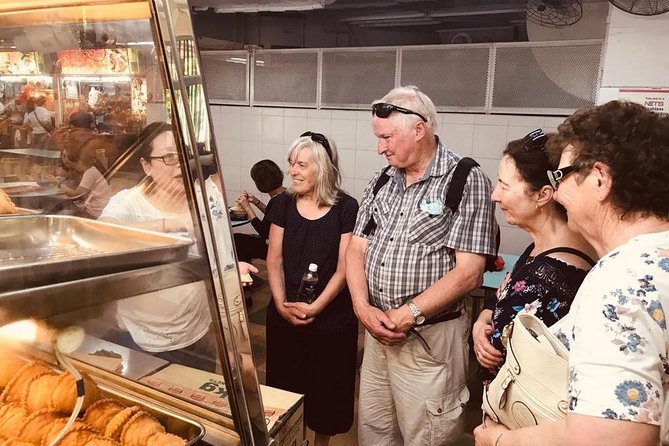
Katong at dusk is a shortcut to Singapore’s real personality. This Katong Evening Food Tour links food to the neighborhood’s Peranakan and Hindu roots, with an energetic guide and multiple tastings built into a 3-hour walk. I love that you get both the practical side (snacks and bottled water included) and the meaning behind what you eat, not just what it tastes like. A big plus is the small group limit of 8, so questions actually get answered.
What I like most is the way the tour uses food stops to explain place, community, and everyday life, from Peranakan culture to how religion and meals overlap. The other highlight for me is the temple visit, where you see how people practice their faith in the same area they eat and shop. One thing to consider is that you do need to plan around temple dress rules and a walk that happens rain or shine.
Key things to know before you go
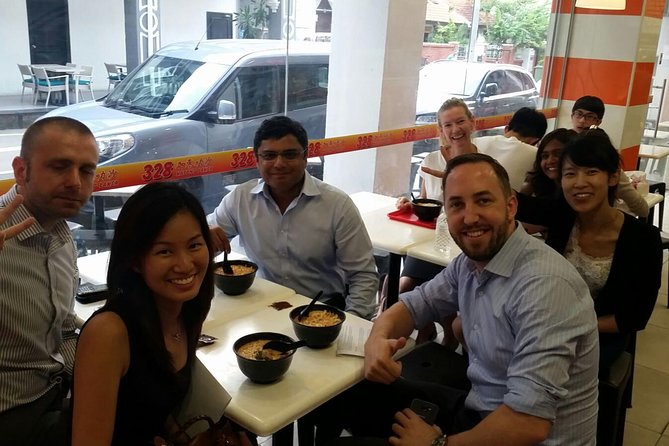
- Small group size (max 8) for a calmer pace and more back-and-forth with your guide
- 3-hour evening timing, starting at 4:30 pm, designed for a pre-dinner hunger reset
- Peranakan focus in Katong, including the cultural story behind the area people often skip
- Temple stop with food and religion context, plus clear dress guidance (shoulders and knees covered)
- Food tastings, snacks, and bottled water included, with alcohol only available to purchase
Further east through the Peranakan shophouses
- Singapore Food & Bike Tour – Katong★ 5.0 · 289 reviews
- The Peranakan Mansion – Experience Singapore’s Unique Culture★ 5.0 · 117 reviews
- Katong Evening Food Tour★ 4.5 · 41 reviews
- Singapore: Food and Bike Tour: Katong District★ 4.9 · 38 reviews
Why Katong at 4:30 pm feels like a cheat code
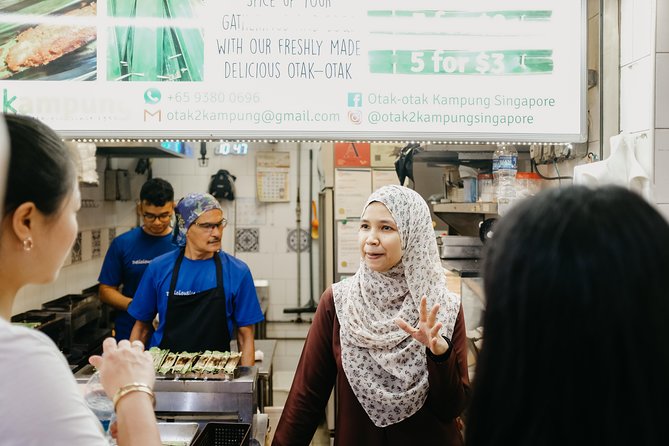
Katong is one of those Singapore neighborhoods that makes the city feel human. It has history in the walls, community in the storefronts, and food in the air. Doing it on an evening tour is smart because the area is lively, and you start before full dinner time, so tastings feel like a guided sampler rather than a snack-and-regret situation.
This tour is priced at $103.79 per person and lasts about 3 hours. For Singapore, that’s not “cheap eats,” but it is value if you care about context and you want an organized route through spots you might miss on your own. You’re also paying for time with a local guide and the convenience of a focused plan that ends near transport.
The tour uses mobile tickets, runs in all weather, and has a small-group cap. That matters because food walking tours can turn chaotic fast in big crowds. Here, you have a better shot at hearing the stories behind each bite and asking follow-ups without shouting.
Meeting point, walk rhythm, and where you end up
You meet at 220 E Coast Rd, Singapore 428917 and start at 4:30 pm. The end point is 111 E Coast Rd, Singapore 428801, and the tour finishes at Kim Choo Peranakan house, which is close to a taxi stand. That end location is practical. You can grab a ride or continue exploring nearby without feeling stranded.
The walking portion is not described in mile terms, but it’s clearly a neighborhood stroll through streets lined with shophouses. Plan on comfortable shoes. Also, remember that you’ll be visiting a temple, so there are moments where you’ll pause, look, and listen rather than just eat and move.
If you like tours that give you a route you can repeat later, this one helps. Even when you’re full from tastings, you’ll leave knowing where the food culture lives and what to look for when you return for an extra bite.
SingaBites and the Peranakan angle you actually use
The first stop is SingaBites, described as the first heritage town of Singapore and strongly tied to the Peranakan enclave on the east coast. If you’ve only seen Singapore through the classic tourist circuits, this feels like getting a missing piece of the puzzle. Katong is where Peranakan culture shows up in everyday life, not just museums.
What makes this start work well is the framing. You’re not thrown into food blindly. You get context about why the area is known for its culture and why the neighborhood’s identity shows up in dishes you’ll taste later.
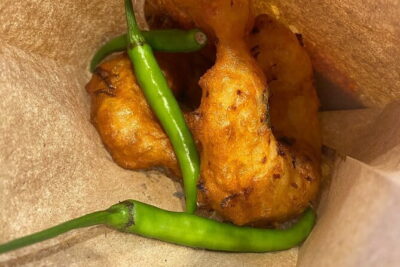
Also, there’s a very specific kind of joy here: the food feels like it belongs to the street, not like it’s been imported for tourists. One dish that came up strongly in guide feedback is curry puffs, with multiple people naming them as a favorite. That tells me the tastings are not random, and the guide is choosing recognizable, local comfort food that people remember after the tour.
Potential drawback at this stage: if you’re the type who wants constant eating every five minutes, you might notice there’s some explanation time before the full sequence of bites. But the payoff is that you’ll taste more deliberately, not just rapidly.
More hawker centres, more tastings
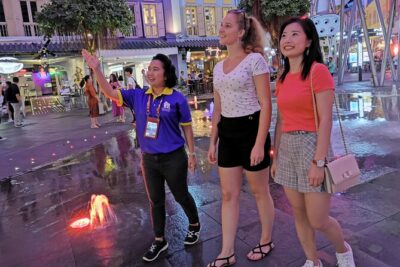
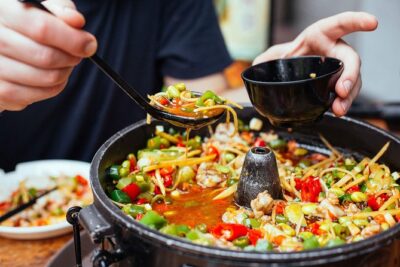
The temple stop: where food meets belief
Next up is Sri Senpaga Vinayagar Temple, a colorful visit designed to show how food and religion overlap in daily life. You’ll spend about 10 minutes there, with admission ticket included.
Even with that short window, this stop can change how you see the neighborhood. The tour is explicitly about the Hindu community in the area, and the value is in connecting a religious site to the surrounding food culture. You may see ceremonies, and you’ll hear how people experience devotion alongside the normal rhythm of shopping and eating.
Dress code matters here. You’re asked to cover shoulders and knees for the temple, and the tour notes that it’s a temple visit, not a quick photo stop. If you show up in shorts and a bare-shoulder top, you might end up uncomfortable or delayed.
One more consideration: if you’re sensitive to crowded sacred spaces, keep expectations realistic for an active religious site. This isn’t a staged performance. It’s part of the community.
Shophouses and the streets that do the storytelling
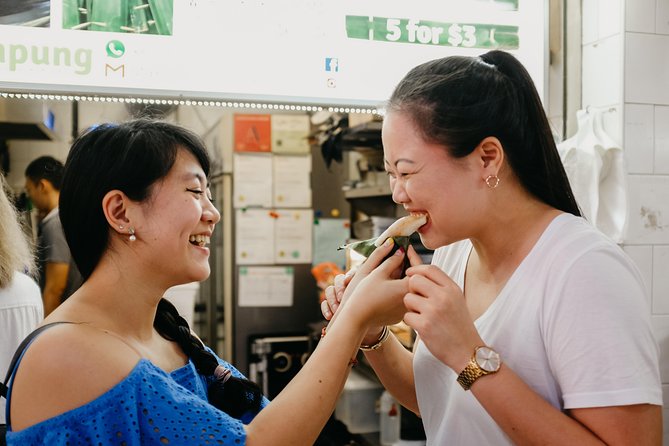
After the temple, the tour moves along the neighborhood’s shophouses, the classic Singapore streetscape of narrow fronts, stacked floors, and a look that feels older than the city’s newer skyline. The tour description focuses on the setting, so you’re not just eating, you’re moving through a visual timeline of Katong.
This portion is valuable because shophouses aren’t just pretty. They tell you how the neighborhood developed as a place for families, commerce, and community. When you connect that to food, you start to understand why certain cuisines and habits took root where they did.
This is also where the route can feel especially satisfying if you like architecture in practical terms. You’ll notice how shopfront life and eating culture blend, and you’ll start spotting details that you’d normally overlook without someone pointing them out.
Food tastings: what’s included and how to get full value
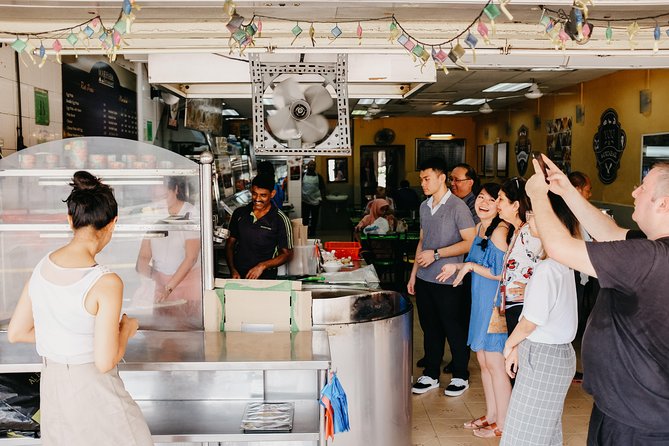
The tour includes food tasting, snacks, and bottled water, plus local guide and professional guide. Alcohol is not included, though it’s available for purchase. That mix is common for Singapore evening tours, but it’s also helpful: you can keep it simple and stay focused on food rather than turning the whole evening into a bar crawl.
Think of the food as a “guided sampler.” You’ll likely eat enough to feel like you’re getting dinner’s worth of flavors without necessarily being stuffed. If you have a sensitive stomach, don’t change your usual eating habits too much earlier in the day. Eat normally, then come hungry but not starved.
A strong theme from past guide feedback is how well the tour explains food preparation and heritage. That matters because it changes your reaction to the bite. When you understand why a curry puff tastes the way it does, you taste more than salt and spice.
Guides who actually talk to you, not just through you
The guide experience is a major reason this tour scores well. Several named guides got praise for being energetic, friendly, and full of knowledge, including Jasmine, Shabnam, and Daniel. One person highlighted how their guide tied food to heritage and preparation, and another noted the guide was proud about sharing insight into life in Singapore.
In practical terms, that means you should ask questions. The tour is small enough that your guide can respond directly. If you want a recommendation for what to try later in Katong, this is the kind of tour where you can leave with a short list you’ll actually use.
If you need to pick one “style” for a guide you’ll enjoy, go for the ones who explain the story behind the dish. That seems to be the tour’s sweet spot, based on the strongest feedback.
Price and value: what you get for $103.79
Let’s be honest: $103.79 is not the cost of a street-food solo crawl. But it buys you three things that can be hard to DIY well.
First, you get a tight route in a neighborhood that tourists often miss. Second, you get a human translator of culture, the kind who can explain why the area is known for Peranakan life and why a temple visit belongs in a food tour. Third, you get tastings plus water without the guesswork of choosing from menus you might not read comfortably.
If you’re traveling with limited time in Singapore, this is the kind of tour that helps you stop wandering and start learning. If you’re the confident self-planner who already knows exactly which hawker stalls and Peranakan spots you want, you might spend less on your own. But you’d lose the storytelling link, and that story seems to be the part people remember most.
Weather, temple rules, and small practical tips
The tour operates in all weather, so dress for the possibility of rain. Bring a small umbrella or a light rain layer. Food tours are easiest when your clothing choices don’t make you grumpy while you’re walking and waiting.
Temple clothing rules are not optional, so plan accordingly:
- Cover shoulders
- Cover knees
Shoes should be comfortable and grippy. Even on a 3-hour walk, small stretches add up.
One more practical point: the tour is near public transportation. That helps if you want to arrive a little early or leave quickly at the end. But the scheduled start time is 4:30 pm, so don’t cut it close.
Who this tour suits best (and who might want to pick another option)
This Katong evening tour is best for you if you like:
- Food with stories, not just food
- Small-group walking tours
- Learning culture through real neighborhoods like Katong, not just landmarks
You’ll also like it if you want a good end-of-day plan that doesn’t require research fatigue. The guide’s recommendations tend to turn into a usable checklist for the rest of your trip.
You might choose something else if:
- You hate walking or dislike any temple visit element
- You want strictly free-form food choices without guidance
- You’re extremely strict about changing your itinerary last minute, since one past guest reported it was difficult to cancel or reschedule by phone. (If you think you might need changes, handle them early through the booking channel.)
Quick reality check: confirmations and participation
Confirmation is received within 48 hours of booking, subject to availability. The tour requires a minimum number of travelers, so it can be canceled if that minimum isn’t met, with a full refund or an offered alternative date.
Children must be accompanied by an adult. Most travelers can participate, and the tour notes it’s not restricted beyond the temple dress guidance.
Should you book the Katong Evening Food Tour?
I’d book this if you want Katong to feel personal and understandable fast. The mix of Peranakan culture, a temple stop that connects food and faith, and the shophouse streets gives you more than a snack run. The strong ratings and the repeated praise for guides like Jasmine, Shabnam, and Daniel are a good sign that you’ll get both tasty food and real explanations.
Skip it if temple attire is a deal-breaker for you, or if you’d rather build your own list of food stops with no structure. And if you think your schedule is fragile, it’s worth planning ahead because one guest had trouble reaching the company by phone for changes.
If you do book, do this: come hungry, wear temple-appropriate clothes, and ask your guide what to eat next after the tour. That’s how a 3-hour evening becomes a whole-trip advantage.
FAQ
How long is the Katong Evening Food Tour?
It runs for about 3 hours.
What time does the tour start?
The start time is 4:30 pm.
Where do I meet and where does the tour end?
You start at 220 E Coast Rd, Singapore 428917. The tour ends at 111 E Coast Rd, Singapore 428801, near Kim Choo Peranakan house.
How many people are in the group?
The tour has a maximum of 8 travelers.
What food and drinks are included?
Food tasting, snacks, and bottled water are included.
Is alcohol included?
No. Alcoholic drinks are not included, but you can purchase them.
Do I need to pay for temple admission?
Admission ticket for the temple visit is included.
What should I wear for the temple?
You’ll be visiting a temple, so you need to cover shoulders and knees.
Does the tour run in bad weather?
Yes, it operates in all weather conditions. Dress appropriately.
What is the cancellation window?
Free cancellation is available up to 24 hours before the experience starts for a full refund.
More Tour Reviews in Singapore


More Hawker Runs and Tasting Trails

East Through the Shophouses
Newest on the Singapore beat


Joo Chiat Peranakan Walks, side by side.
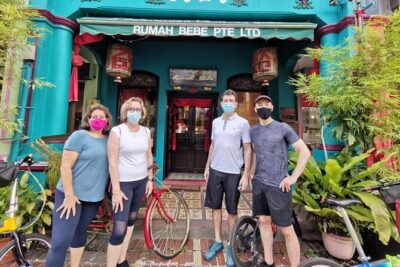 ★ 5.0Singapore Food & Bike Tour – KatongFrom $96289 reviews
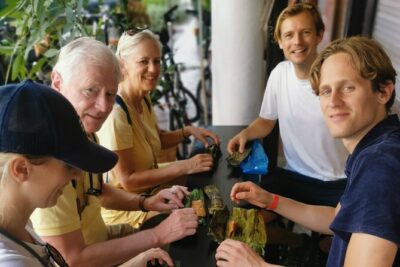 ★ 5.0Eat Snap Katong Walking Food TourFrom $76174 reviews
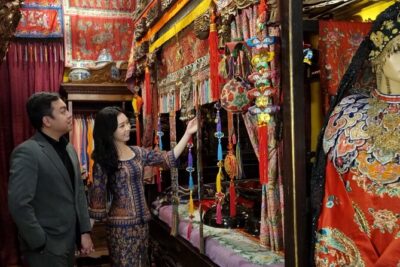 ★ 5.0The Peranakan Mansion – Experience Singapore’s Unique CultureFrom $30117 reviews
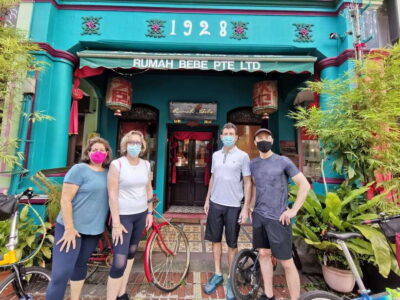 ★ 4.9Food and Bike Tour: Katong DistrictFrom $9438 reviews
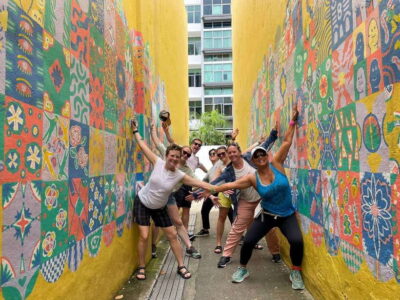 ★ 5.0Katong Local Food and City Highlights TourFrom $7518 reviews
 ★ 4.9Peranakan Museum Admission TicketFrom $611 reviews
 ★ 5.0Best Ever Katong Food Tour with Local Foodie – PRIVATE TOURFrom $954 reviews
 ★ 4.0Peranakan Cooking Class in Singapore, near Lavender MRT StationFrom $1284 reviews
Where this one also appears