
Reviewed · JOO CHIAT PERANAKAN WALKS
Singapore: Peranakan Museum Admission Ticket
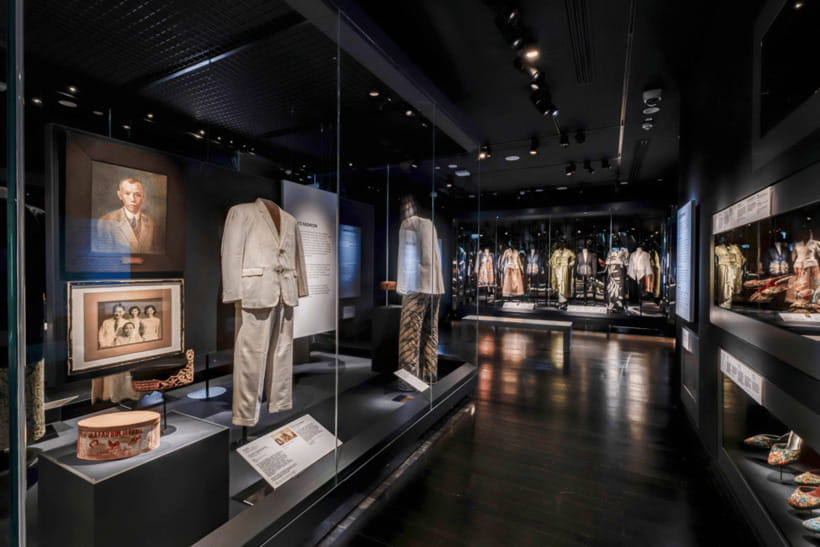
Peranakan style is detail on detail. At the Peranakan Museum in Singapore, you get a close look at how Chinese, Malay, and colonial influences shaped everyday life, wedding rituals, and fine craftsmanship. I especially love the way the museum turns artifacts like beaded slippers and ornate furniture into real stories, and I like how the thematic galleries make cultural connections feel clear, not abstract.
One thing to think about first: your ticket covers the main museum, but special exhibitions are not included. If you’re hoping to see a temporary gallery, you’ll want to check what’s on during your dates before you buy.
Key things to know before you go
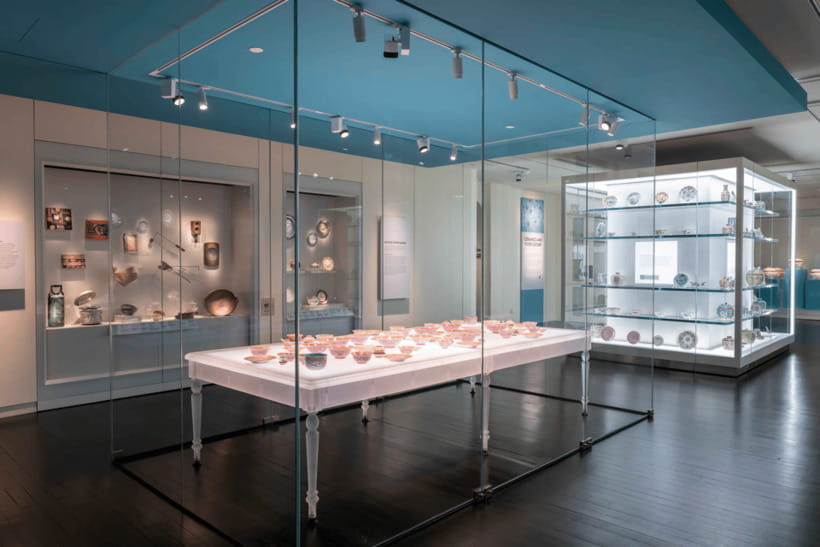
- Three floors of Peranakan objects you can see up close, from shoes to jewelry to furniture
- Themed galleries that connect craftsmanship to traditions like weddings and family life
- Interactive elements and recorded demonstrations that add context, not just display cases
- Personal stories that help you understand identity, not only aesthetics
- Commissioned artworks that link heritage with newer interpretations
Further east through the Peranakan shophouses
- Singapore Food & Bike Tour – Katong★ 5.0 · 289 reviews
- The Peranakan Mansion – Experience Singapore’s Unique Culture★ 5.0 · 117 reviews
- Katong Evening Food Tour★ 4.5 · 41 reviews
- Singapore: Food and Bike Tour: Katong District★ 4.9 · 38 reviews
Peranakan culture feels personal in Singapore
Singapore is one of those places where cultures overlap in everyday ways. That’s exactly what the Peranakan story is about: a community shaped by local life and migration, then expressed through food, language, clothing, rituals, and domestic design. This museum is a focused way to understand that identity through objects, not just general history.
What I like here is the mix of elegance and meaning. You’re looking at things people wore and used during real moments, like weddings, and also artifacts that reflect status and family traditions. If you care about culture as something lived, you’ll get more out of this than if you only want big-picture timelines.
You’ll also get a sense of the regional ties across Southeast Asia, not just a Singapore-only snapshot. The museum frames Peranakan heritage as part of a wider network of influence and exchange.
Your visit route: from historic rooms to three themed floors
The museum sits in a restored historic building, so the setting already feels like part of the experience. Once inside, the core idea is simple: walk through galleries that are organized by themes, then connect what you see to how Peranakans lived and celebrated.
Plan on moving between the three floors at your own pace. There’s no need to rush. Even if you only spend time with the displays that grab you, the range is wide enough that you’ll likely make several quiet discoveries.
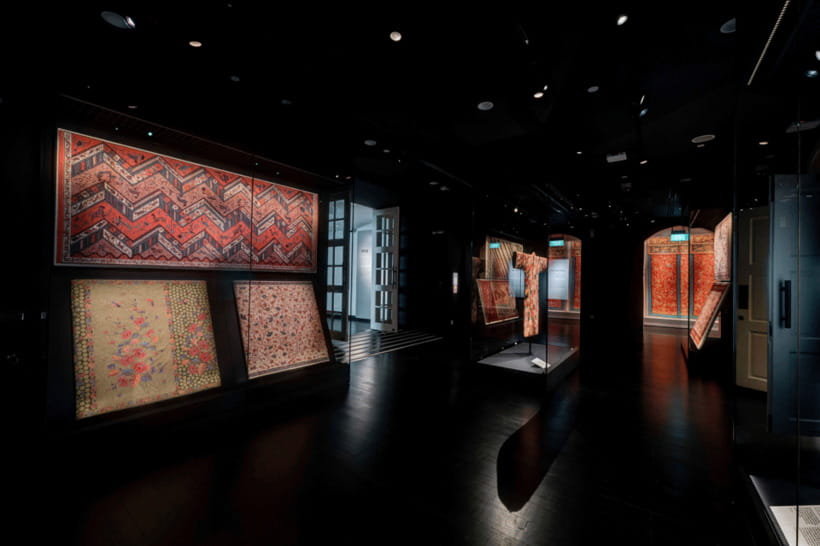
I’d treat this like a craft museum mixed with a family-history museum. The museum’s strength is that it uses craftsmanship details to explain cultural identity. When you slow down, you start noticing patterns, materials, and the kind of careful work that went into formal clothing and household objects.
What you can expect to see
- Beaded slippers with intricate ornamentation
- Intricate jewelry designed for display and special occasions
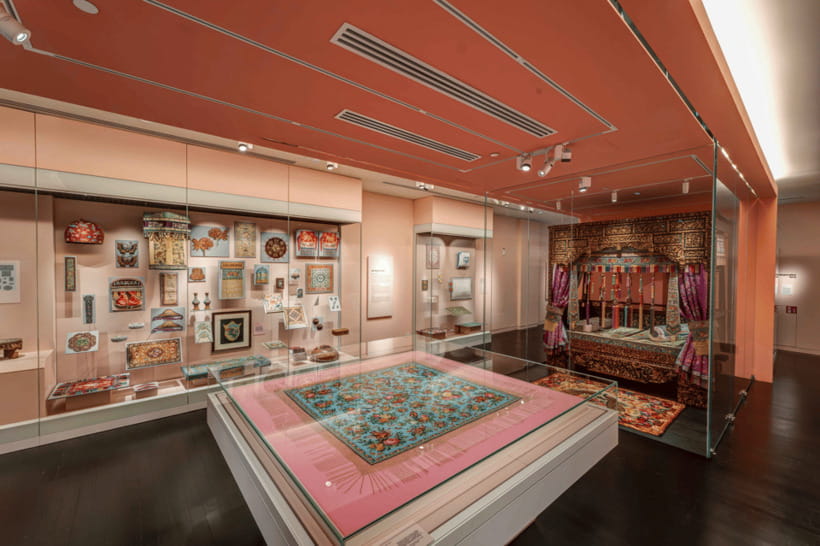
- Lavish wedding attire tied to ritual and family tradition
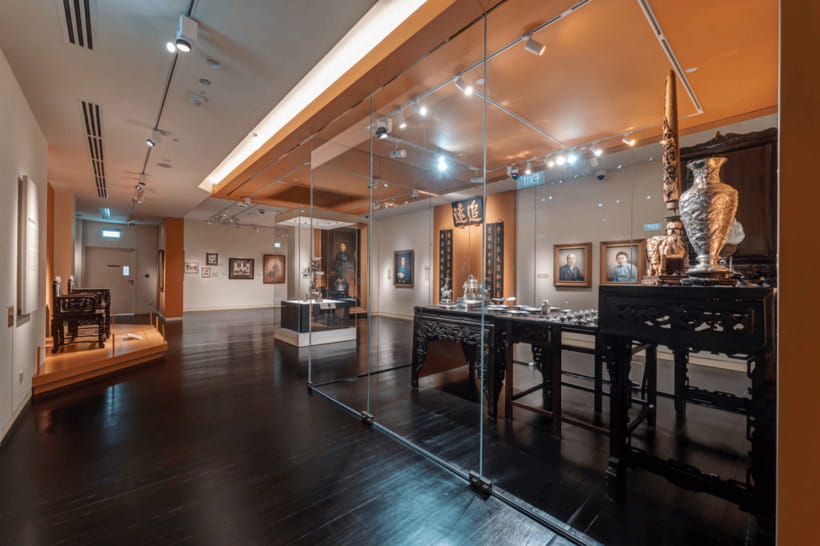
- Ornate furniture that reflects home life and social meaning
- Themed displays that connect objects to cultural practices
That list sounds like fashion and decoration, and it is. But the value is that the museum ties the looks to the why, especially around family, marriage customs, and community identity.
Other attraction tickets worth booking ahead
Wedding rituals, family tradition, and the Peranakan home
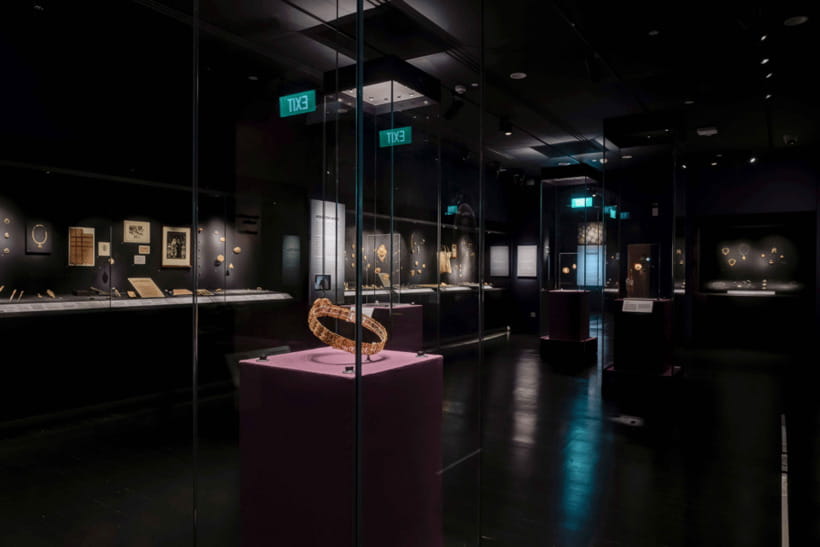
The most rewarding part for me is the way the galleries connect ritual to design. Weddings are not shown as a vague celebration. Instead, you’re guided through how clothing, symbolism, and household settings reinforce belonging and continuity.
You’ll find themed areas that spotlight elaborate wedding rituals and family traditions. It’s the kind of section where you start seeing why certain pieces were made so carefully, and why style choices mattered. Even if you don’t read every label, the objects do a lot of talking.
Then there’s the side that often surprises people. The museum doesn’t stop at garments. It also looks at the grandeur of a Peranakan home through display pieces and room-like presentation. This helps you understand that Peranakan identity is expressed through more than what happens once. It’s also expressed in how a household presents itself.
A practical tip for this section
Spend a little extra time with the wedding and home displays. They’re where most people go fastest. If you’re trying to get the full story, slow down just here. You’ll get more meaning per minute.
Interactive displays and recorded demonstrations that add context
The museum uses more than static case displays. You’ll come across interactive elements and recorded demonstrations that explain the background behind what you’re looking at. That matters because some artifacts only make full sense when you understand their cultural role.
You’ll also encounter personal stories from the community. That’s where Peranakan heritage becomes less like a collection and more like lived identity. It’s a different feeling from “look at this beautiful item,” and closer to “understand what this meant.”
If you’re the type who likes to learn without turning it into an exam, this is a good match. The interactive and recorded pieces let you absorb context without needing a full guided lecture.
Watch for the small cues
Even with audio or interactive elements, the museum’s labels and arrangement do the heavy lifting. When you see a display with several connected objects, treat it like a mini story. Read the title, then look at how the details connect across the case.
Commissioned artworks that link heritage to today
One of the smarter touches is the presence of commissioned artworks that blend history with contemporary interpretations. This helps prevent the museum from feeling like a time capsule.
Instead of only saying Peranakan heritage is something from the past, the museum shows it continuing in new ways. That’s useful for you if you’re visiting because you want to understand culture as something evolving, not just preserved.
You don’t need to be an art person to appreciate this section. It works as a bridge. After spending time with traditional artifacts, seeing modern work tied to identity makes the whole visit feel more current.
Price and value: why $6 is a fair deal
The ticket is priced at $6 per person, and that’s strong value for a museum experience that includes multiple themed galleries, interactive elements, and a deep artifact focus.
Here’s how I think about value for this kind of ticket:
- You get a lot of visual variety in one building, across three floors
- The museum gives context through recorded demos and personal stories
- The artifacts cover multiple angles, craft, fashion, ritual, and home life
If you compare that to paying more for a single attraction, $6 feels like a low-friction way to spend a meaningful chunk of your day. The rating is also a good sign, with 4.9 out of 5 based on 11 reviews, which lines up with what the museum seems built to do well: clarity and depth without overwhelming you.
The one cost-side caution
Your admission does not include special exhibitions gallery access. That’s not a problem for most people, because the main museum already covers a lot. But if you know you want a temporary show, factor that extra ticket cost into your plans.
Opening hours and choosing the best time to go
The museum is open daily from 10:00 AM to 7:00 PM, and on Friday it runs until 9:00 PM. That extra evening time matters if you want to fit the visit around dinner plans or you’re traveling with a flexible schedule.
If you tend to get tired in the late afternoon, aim earlier in the day when your attention span is freshest. If you’re more of a night-walker and enjoy museum lights and slower crowds, Friday evening could be a great match.
Also remember this is a ticket that’s valid for one day. So if you’re visiting multiple attractions in Singapore, you can plug this in without worrying about multi-day planning.
Who this Peranakan Museum ticket suits best
This ticket fits best if you like culture that you can see and touch with your eyes. You’ll probably enjoy it if you care about:
- Fashion and craftsmanship, especially ceremonial clothing
- How communities express identity through everyday objects
- Southeast Asian cultural connections, not only Singapore-only snapshots
- Museums that use stories and context, not just artifacts
It’s also a solid choice for people who want a break from high-energy sightseeing. You can slow down, read, and stare at details like beading and jewelry designs without needing to keep moving to catch the next “must-see.”
If your main goal is modern Singapore street life, this won’t be that. It’s more grounded in heritage, ritual, and domestic culture. Still, it can deepen your understanding of Singapore because it explains a side of identity that shaped the city in visible ways.
What to do at the visitor services counter
Your ticket redemption is straightforward. You proceed directly to the Visitor Services Counter for redemption. From there, you can start your visit right away.
This matters for planning because it keeps your arrival simple. Instead of searching around for entry points, you know exactly where to go first.
If you’re visiting as a family, note the child rule: children 7 years old and above must purchase an entry ticket. Children must also be accompanied by adults at all times. That’s important for timing and group planning.
Should you book this Peranakan Museum ticket?
I’d book this if you want a high-value, detail-rich cultural stop in Singapore that teaches you something real through objects, stories, and craft. At $6, it’s an easy add-on or a good standalone half-to-full day focus, depending on how long you linger with the wedding and home displays.
Skip it or consider alternatives if special exhibitions are your main motivation, because admission does not include the Special Exhibitions Gallery. Also, if you’re not interested in heritage-focused museum content, the ticket will feel more like looking at artifacts than doing hands-on fun.
If you do go, give yourself time to slow down in the wedding and home sections. That’s where the museum’s ideas click, and where you’ll come away feeling you understood more than just the pretty things.
Other Tickets Worth Booking Ahead


More Tour Reviews in Singapore



East Through the Shophouses




Newest on the Singapore beat


Joo Chiat Peranakan Walks, side by side.
 ★ 5.0Singapore Food & Bike Tour – KatongFrom $96289 reviews
 ★ 5.0Eat Snap Katong Walking Food TourFrom $76174 reviews
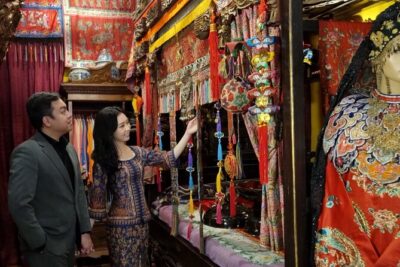 ★ 5.0The Peranakan Mansion – Experience Singapore’s Unique CultureFrom $30117 reviews
 ★ 4.5Katong Evening Food TourFrom $10341 reviews
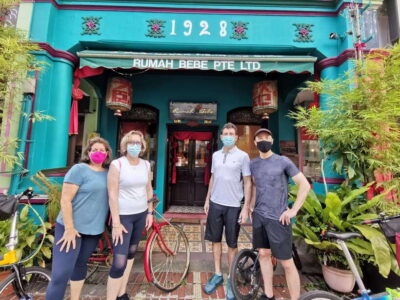 ★ 4.9Food and Bike Tour: Katong DistrictFrom $9438 reviews
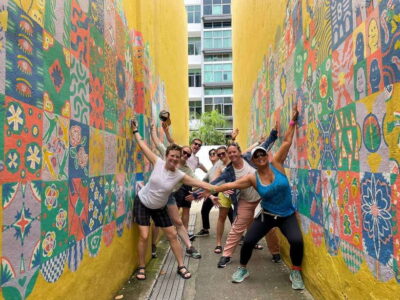 ★ 5.0Katong Local Food and City Highlights TourFrom $7518 reviews
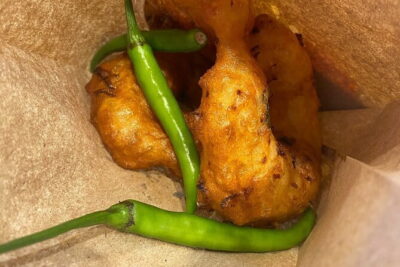 ★ 5.0Best Ever Katong Food Tour with Local Foodie – PRIVATE TOURFrom $954 reviews
 ★ 4.0Peranakan Cooking Class in Singapore, near Lavender MRT StationFrom $1284 reviews
Where this one also appears