
Reviewed · JOO CHIAT PERANAKAN WALKS
Peranakan Cooking Class in Singapore, near Lavender MRT Station
Peranakan food is a living recipe book. This private, hands-on cooking class near Lavender MRT turns that idea into a 3-hour plan, with Chef Colin (or his colleague) guiding you through Nyonya favorites in a well-run studio.
I especially like the format: you learn by doing, cook 2-3 dishes, then eat your results together at lunch. One thing to consider is that the menu is seasonal, and on some days Colin may not be available, so you should request specific dishes like Nyonya laksa when booking if that’s your must-cook.
Key things to know before you go
- Private studio class for just your group, so questions and technique get real time
- Chef Colin or Denise hosts, depending on the day, with similar energy for the food
- Seasonal menu with special requests, including vegetarian and gluten-free options
- Hands-on cooking for 1.5 hours, then lunch with your host
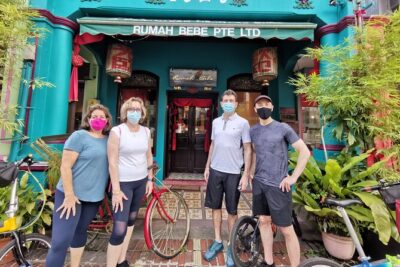
- Studio inside a bicycle tour shop, with an organized, colorful setup that keeps the class moving
Further east through the Peranakan shophouses
- Singapore Food & Bike Tour – Katong★ 5.0 · 289 reviews
- The Peranakan Mansion – Experience Singapore’s Unique Culture★ 5.0 · 117 reviews
- Katong Evening Food Tour★ 4.5 · 41 reviews
- Singapore: Food and Bike Tour: Katong District★ 4.9 · 38 reviews
Peranakan cooking is where Singapore’s two food worlds meet
Peranakan cuisine is a fusion made practical. It grew from Malay and Chinese roots, then evolved into something Singapore people truly own. In this class, you are not just learning recipes. You are learning how those influences mix on a plate, in flavors, and in technique.
Peranakan cooking also tends to reward curiosity. You’ll notice things like fragrant spice bases, layered tastes, and the way sweet, savory, and coconut show up in places you might not expect. Even if you have eaten Nyonya dishes in hawker centers before, cooking them yourself gives you a different kind of understanding. It’s the difference between hearing a story and using the same words to write your own version.
And because the class is private, you can ask the practical questions that normally get skipped in group demos. Why does a step happen before the next? What should you look for, not just what should you follow? That’s where a cooking class turns into a skill you can repeat later at home.
From Lavender MRT to Crawford Lane: the bicycle shop studio vibe
You’ll start at Crawford Lane at 10:00 am, and the experience ends back at the same meeting point. It’s about a short, straightforward trip once you’re in the Lavender area, and the schedule is built for a full morning into lunch.
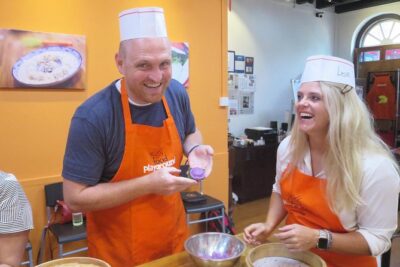
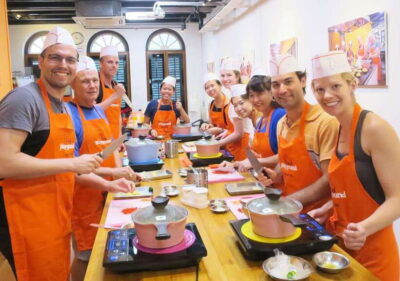
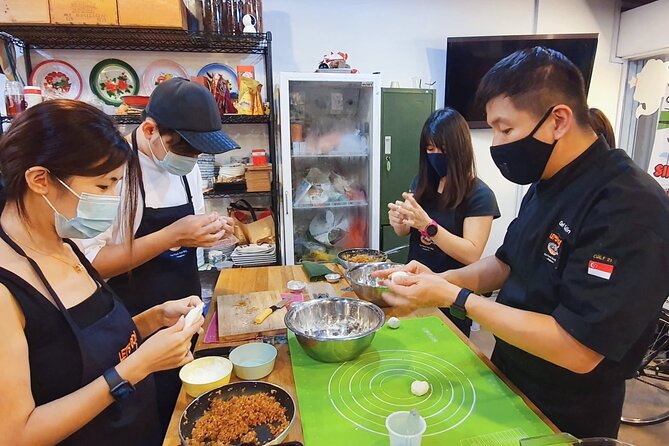
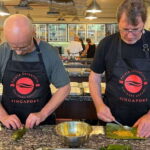
The meeting spot matters because the class setup is part of the charm. The cooking studio is located inside a bicycle tour shop. You walk past the bicycles before entering the studio, which is bright, well lit, and organized. The space is decorated with pastel pots and a mural, so it feels creative but still functional.
Mobile ticketing also helps. You show up with your phone, get checked in, and you are not losing time to printouts. And since hotel pickup and drop-off are not included, it’s best to plan your own transit and arrive a bit ahead so you can settle in without rushing.
The 1.5 hour hands-on class: cooking your way through 2 or 3 dishes
This is not a sit and watch class. During the 1.5 hour hands-on cooking session, the chef demonstrates some steps first, then you take over. That pacing is smart. You get enough guidance to avoid the common mistakes, then you actually practice the motions that make the dish work.
You can expect a workflow that feels like a real kitchen, but friendly. Tools are ready. Ingredients are there. You follow the sequence, taste as you go, and adjust based on what you see and smell rather than trying to memorize a script.
You might cook dishes such as:
- Hainanese chicken rice
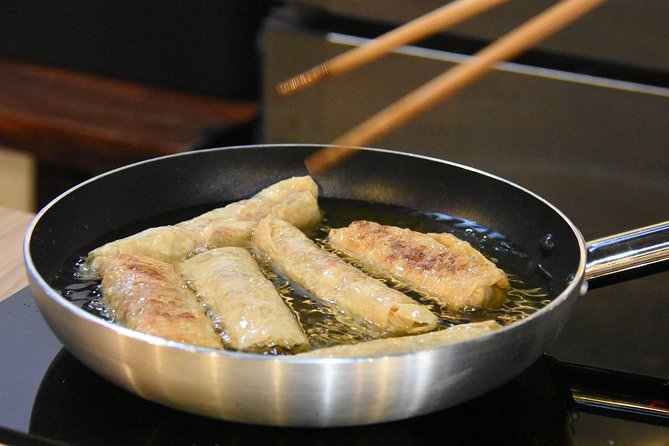
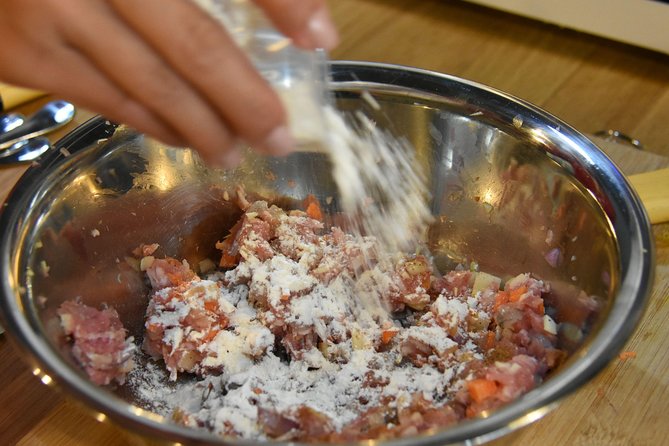
- ngoh hiang (minced meat and vegetables wrapped in bean curd)
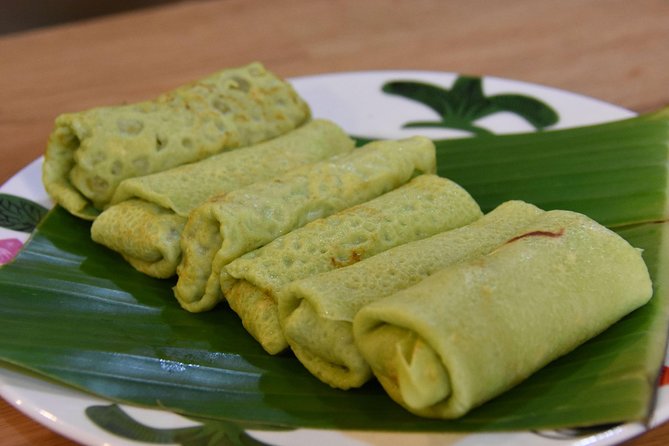
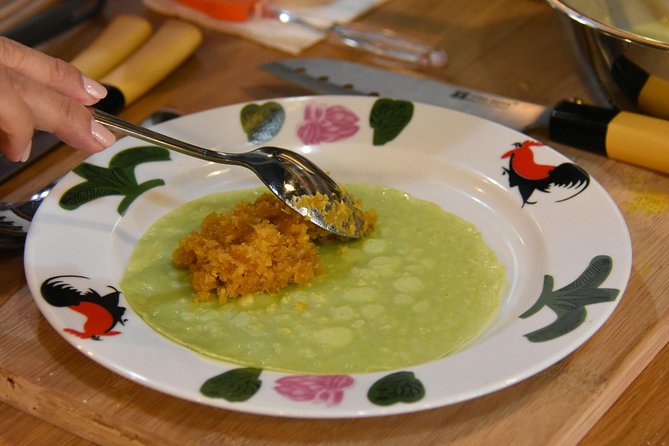
- Nyonya kueh dadar (a pandan flavored crepe with freshly grated coconut)
The best part is that you’ll likely do a mix, not just one dish. That usually means you practice both savory filling work and something more technique driven, like preparing crepes. Even when the menu changes, the class style stays consistent: demonstration, your turn, then a quick check that you are on track.
A few more Singapore bookings in the same corner of the island
What dishes you can actually plan for, and why the menu is flexible
The menu depends on what’s seasonal, and that’s listed clearly. In practice, that flexibility can be a plus. It means you’re more likely to get fresher ingredients, and the chef can pick dishes that fit the day’s workflow.
Still, if you have a strong preference, you should treat the booking form like it matters. You can add specific dish requests, including options like:
- Nyonya laksa
- ngoh hiang (spring roll style)
- Hokkien noodles
- Nyonya kueh dadar (pandan crepe with grated coconut)
- Vegetarian and gluten-free options on request
When Colin is available, the class is hosted by him. When he is not, his colleague Denise hosts instead, and the menu may vary. That doesn’t mean the quality drops. It does mean you should be explicit about what you want to cook, especially if Nyonya laksa is your top priority.
A practical tip: think of your request in two layers. First, name your must-have dish. Second, show you’re open to 1-2 other Nyonya options if the menu rotates. That keeps you from being disappointed if the seasonal selection changes.
Lunch with your host: why eating together is part of the lesson
The class wraps into a lunch moment where you eat what you prepared with your host. That might sound obvious, but it changes the whole experience.
When you sit down after cooking, you can connect the flavor to the steps you just did. You notice texture, spice balance, and the way garnishes pull everything together. It also makes it easier to ask quick questions while the dish is still fresh in your mind.
In addition, you may get time to chat about the cultural background of the food. This is where Peranakan cooking becomes more than a meal. You’ll learn why these dishes fit Singapore’s story and how the fusion culture shows up on the table.
I like this portion because it keeps the class from feeling like a workshop. It feels like a small local welcome, and you leave with both full energy and a better mental map for future meals across the city.
Price and value: is $128 per person worth it?
At $128 per person, you’re paying for a few things at once: a private class, professional chef instruction, and the ingredients for 2-3 dishes plus lunch. You’re not just buying a meal. You’re buying time, technique, and access to a local who can explain the why behind the how.
Compared with casual cooking demos, the private format is the main value driver. You can ask more specific questions, get personal feedback on your cooking, and move at a comfortable pace. That matters most if you’re the type who likes to understand what you’re doing, not just copy a result.
The second value driver is the studio setup. You’re cooking in a dedicated kitchen space that’s described as well lit and organized, inside a bicycle shop. That combo usually means you don’t waste time hunting for tools or waiting for equipment.
One more thing: the class includes gratuities. That’s small, but it reduces last-minute thinking about tipping. The total is still a clear splurge, but it’s a splurge that tends to feel fair because you’re getting hands-on practice and a full lunch, not just a tasting flight.
Who this private Peranakan class suits best
This is a great fit if you want a Singapore food experience that is both hands-on and story-driven. It works especially well for:
- Couples who want a shared activity that still feels personal
- Small groups who prefer privacy over a big tour crowd
- Food lovers who want to cook specific dishes, not just sample them
- Anyone who likes learning technique, like crepe style or how fillings come together
It may be less ideal if you are trying to speedrun Singapore on tight timing, because the session plus lunch lands at about 3 hours total. And if you are set on a specific menu item, be proactive when booking, since the menu is seasonal and the host can be Colin or Denise.
How to book well: lock in chef and dish priorities
The smoothest booking mindset is simple: plan for flexibility, but communicate your non-negotiables.
First, include your dish request in the booking form, especially if you care about Nyonya laksa. The menu can vary based on seasonal ingredients, and the chef chooses what to cook for the day. Second, be aware that Colin is the named host in many descriptions, but Denise may run the class on days Colin is unavailable.
You’ll receive confirmation within 48 hours of booking, subject to availability. That gives you enough time to finalize your Singapore logistics, like transit to the Lavender area and how you’ll get to Crawford Lane without relying on hotel pickup.
Also, check any dietary needs early. Vegetarian and gluten-free options are available on request, which is a big deal if you need the class to work with your eating style rather than around it.
Should you book this Peranakan Cooking Class near Lavender MRT?
I’d book it if you want a practical food lesson in Singapore that feels local and personal. The private studio setup, the hands-on pace, and the chance to eat what you cook add up to more than a single meal experience.
Book it with a plan if you care about a specific dish. Add your Nyonya laksa request at booking, and remember the menu can change with the season, even when the experience style stays the same. If you do that, you’ll walk away with real cooking confidence and a deeper sense of why Peranakan food became part of Singapore’s identity.
If you want a single morning activity that combines culture, technique, and lunch, this is one of the better uses of your time near Lavender.
FAQ
Where is the cooking class meeting point?
The meeting point is on Crawford Lane, Singapore. The activity ends back at the same meeting point.
What time does the class start?
The start time is 10:00 am.
How long is the experience?
The duration is about 3 hours.
Is this a private class or a group class?
It is private, with only your group participating.
What cooking experience do you get during the class?
You can expect a hands-on cooking session where you learn to make 2 to 3 Singaporean dishes, with some steps demonstrated first.
Can I request vegetarian or gluten-free options?
Yes. Vegetarian and gluten-free options are available on request.
Who hosts the class, Colin or someone else?
Chef Colin hosts when available. On days when he is unavailable, the class is conducted by his colleagues, including Denise.
What is included in the price?
The price includes a private cooking lesson with a local expert and gratuities. Hotel pickup and drop-off are not included.
More Cooking Classes in Singapore

More Tour Reviews in Singapore




East Through the Shophouses

Newest on the Singapore beat


Joo Chiat Peranakan Walks, side by side.
 ★ 5.0Singapore Food & Bike Tour – KatongFrom $96289 reviews
 ★ 5.0Eat Snap Katong Walking Food TourFrom $76174 reviews
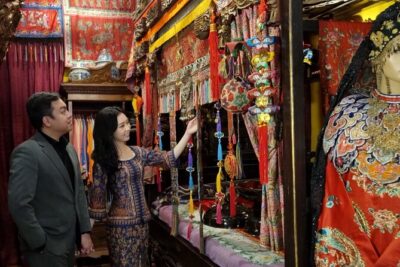 ★ 5.0The Peranakan Mansion – Experience Singapore’s Unique CultureFrom $30117 reviews
 ★ 4.5Katong Evening Food TourFrom $10341 reviews
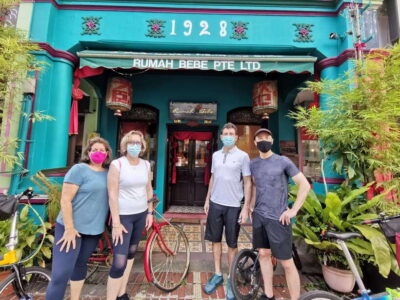 ★ 4.9Food and Bike Tour: Katong DistrictFrom $9438 reviews
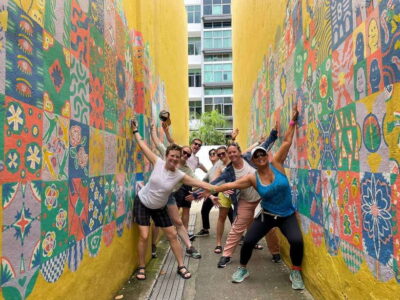 ★ 5.0Katong Local Food and City Highlights TourFrom $7518 reviews
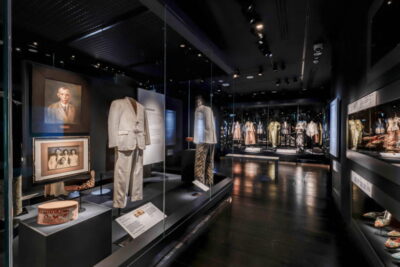 ★ 4.9Peranakan Museum Admission TicketFrom $611 reviews
 ★ 5.0Best Ever Katong Food Tour with Local Foodie – PRIVATE TOURFrom $954 reviews
Where this one also appears