
Reviewed · WORKSHOPS
Experience Singapore: Cultural Cooking Class
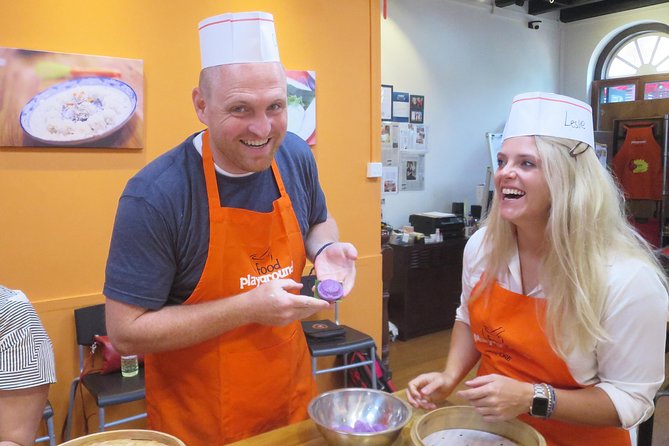
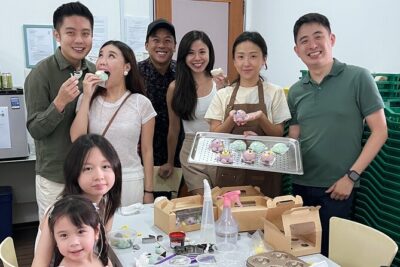
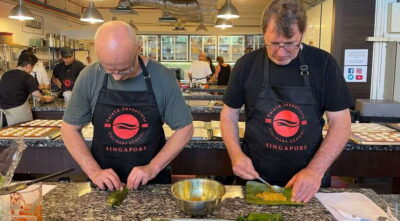
Singapore tastes better when you cook it. This 3-hour class in Chinatown turns you from diner into cook, with hands-on cooking led by instructors like Mary, Nur, Monica, Sara, and YY. It stays purposely small, so you get real guidance at small group size (up to 12 people).
I especially like the structure: a quick food quiz to get you thinking like a local, then a step-by-step lesson where you recreate three favorites and eat what you make. One possible drawback is pacing, because a few classes have had a long start with extra talking before the main cooking begins, so it helps if you like a bit of narration with your meal.
Key things that make this class worth your time
- Up to 12 people keeps it interactive, not crowded
- Three dishes you make yourself, then you eat them for lunch
- Chinatown shop-house setting adds a real sense of place
- A fun food quiz at the start helps you learn without feeling lectured
- Recipes and class photos are shared after, so you can repeat at home
- Dietary needs can be requested when you book
A few more Singapore bookings in the same corner of the island
- Singapore: Hands-on Cooking Class with Cultural Immersion★ 4.9 · 107 reviews
- Singapore: Market-to-Table Experience and Cooking Class★ 5.0 · 17 reviews
- Private Market Visit and Cooking Class With A Professional Chef★ 4.5 · 10 reviews
- Singaporean Cooking Class With A Professional Chef★ 4.1 · 5 reviews
Chinatown at 9:30am: Your morning start point on Sago Street
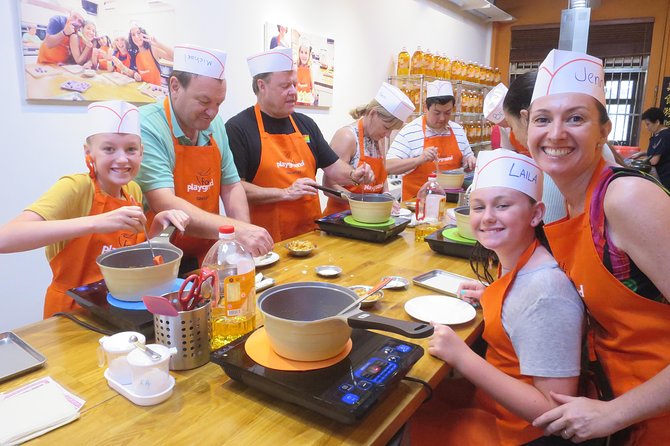
The class meets at 24A Sago St, Singapore 059020 with a 9:30am start. That matters more than you might think. If you arrive early and settle in, you avoid the stress that can spoil a cooking class, especially in a busy area like Chinatown.
The setting is part of the charm. You’re cooking in a heritage shop-house area, and the vibe feels older Singapore rather than a generic studio. One review mentions the class runs on the 2nd floor of an old shop-house building, with nearby sights like a pagoda temple, plus an upstairs rooftop garden and museum. Even if you never leave the class grounds, the location gives context to the food you are about to make.
No hotel pickup is included, so plan to reach the meeting spot by your own means. A big practical win here is that the activity ends back at the meeting point, which makes it easy to roll into lunch, shopping, or a museum visit after.
How the lesson actually runs: quiz, demo, then hands-on at your station
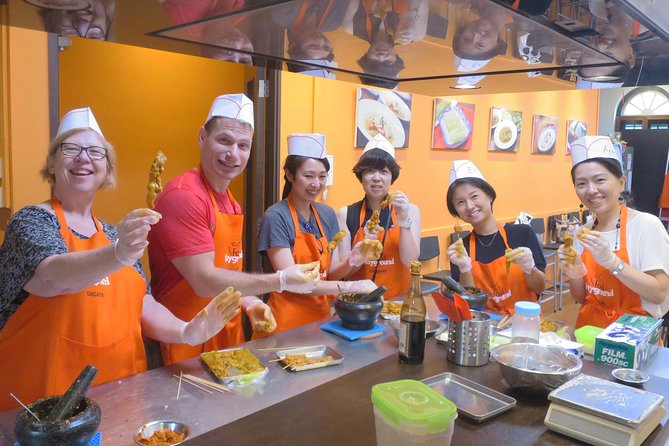
This is not a sit-and-watch experience. The flow is designed so you keep moving.
First, the instructors introduce the menu and techniques. A fun food quiz at the beginning shows up in multiple experiences. It’s a smart warm-up, because Singapore food is complex, with lots of flavors layered in ways that don’t always translate if you’ve only eaten it casually.
Then you get a step-by-step cooking lesson. The class teaches you how to prep and cook three dishes. The exact dishes can change, but you’ll see Singapore staples like laksa and Hainanese chicken rice on the menu, and you might also cook things like chicken satay. In at least a few versions, people also mention learning and making components such as curry paste from scratch, plus dishes like curry chicken and dessert-style items like Ondeh Ondeh.
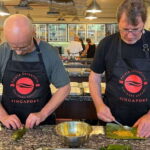
After the demo, you cook. Reviews describe a shared-station approach where participants are split into small groups of two for cooking stations, with supervision throughout. If you go solo, you may end up with your own station or a tailored setup, but the key point is that you are not standing around waiting for your turn.
Why this matters: when you cook the whole dish (not just one component), you learn the rhythm. You understand when the paste needs time, when to adjust seasoning, and how “Singapore flavor” actually happens in layers.
What you’ll cook: Singapore favorites that teach the country, not just the recipe
Singapore food is not one cuisine. It’s a blend shaped by Malay, Chinese, Indian, and British influences. A good cooking class can show that on a plate, and this one is built around that idea.
Other things to make with your hands in Singapore
Laksa and noodle soups
Laksa is a great teaching dish because it forces you to handle spice bases and balance. You learn that richness is usually built in stages, not dumped in at the end. Even when the menu changes, the class concept keeps that focus: how Singapore flavors are assembled, then finished.
Hainanese chicken rice style
Hainanese chicken rice is popular for a reason: it’s precise and it’s forgiving at the same time. You’ll learn how seasoning, temperature, and timing affect the final plate. The technique is the value, because that’s what you carry home.
Curry, satay, and spice paste work
If your menu includes satay or curry components, you’ll get practical spice handling skills. One highlight from class experiences is making curry paste, which helps you avoid the common home-cook problem of relying only on bottled shortcuts. When you understand the paste, the dish becomes reproducible.
Dessert like Ondeh Ondeh
On some menus, dessert appears too, and that’s a bonus. It turns the class into a full Singapore meal, not a single-course workshop.
Menu note: the dishes and ingredients can change, so treat this as three Singapore-style favorites, not a guaranteed shopping list. Still, the through-line stays consistent: you’re learning how to build flavor and identity, not just copy measurements.
Skills for your kitchen at home: what you learn beyond taste
Singapore cooking can feel mysterious if you only eat it. This class helps demystify it by making you do the steps yourself.
The most praised part across experiences is the hands-on guidance, meaning you get corrections while you cook. That’s where the techniques become usable. You aren’t just learning what tastes good, you’re learning how to make it happen.
Here are the skills that typically transfer well at home:
- Making spice bases (especially if your menu includes curry paste)
- Building sauces step-by-step so they don’t end up flat
- Timing starch and proteins so texture stays right
- Seasoning adjustments so the dish matches your taste, not just the recipe
Also, you don’t just get verbal instructions. Equipment and ingredients are provided, which lowers the barrier to doing the same thing back home. And many experiences include getting recipes and photos after the class, which is helpful when you forget the order of operations.
Lunch with your class: what you’re actually paying for
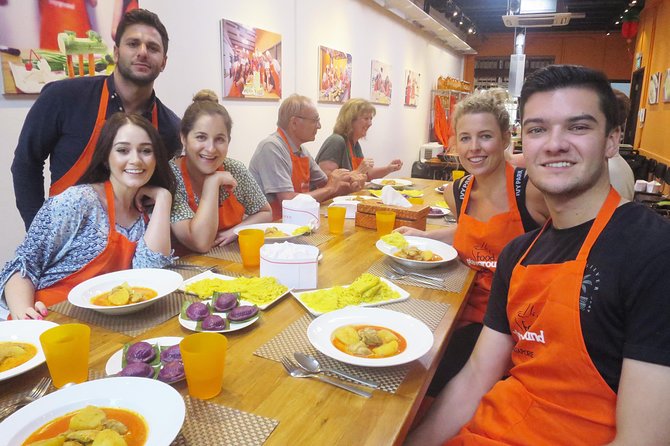
You cook, then you eat. Lunch is included with water, coffee, and tea, so you’re not paying extra for the meal you’re partway through learning.
The dining setup is described as relaxed and informal, and that matters because cooking classes can either feel like school or like a friendly kitchen hang. Here, the tone supports a social meal without forcing conversation.
One extra value: you’re eating with your class group, which gives you an easy way to compare what you made and how others were guided. It also makes the class feel like a full experience, not just a workshop that ends when the last pan is cleaned.
Price and value: is $96.97 a good deal?
At $96.97 per person for about 3 hours, the value depends on what you want from Singapore.
If you’re the kind of traveler who already eats a lot, you might wonder if a cooking class is too “touristy.” Here’s how I think about it. You’re paying for:
- Expert-led instruction (local English-speaking instructors)
- All equipment and ingredients
- Lunch with drinks
- A small group limit (max 12), which helps you get attention
That combination usually beats the real cost of trying to replicate the experience on your own, especially if you were planning to buy ingredients for three dishes plus pay for a cookery workshop anyway.
Where the price makes the most sense:
- You want to bring Singapore flavors home
- You enjoy skill-building, not just eating
- You like small-group activities where you can ask questions
- You want a morning plan that still gives you a full lunch
Who this class fits best, and who should be cautious
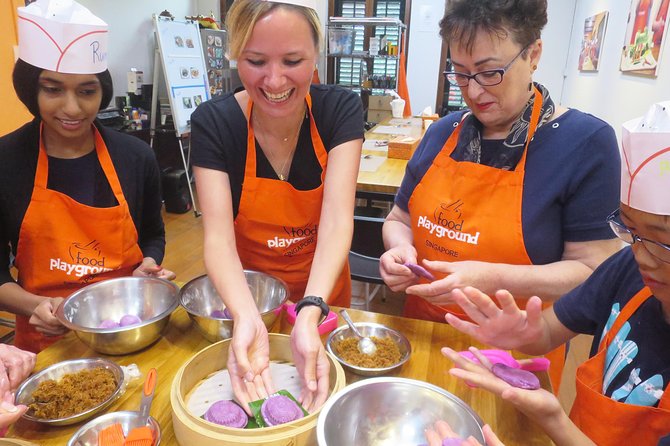
This class is a strong match for families and food lovers, with a minimum age of 7. That’s not nothing. It signals a family-friendly setup, and the hands-on cooking style can keep kids engaged, especially if they like “doing” rather than watching.
It also suits:
- Couples looking for a shared activity
- Solo travelers who want easy conversation and a small group
- Anyone who wants Singapore cuisine taught through culture, not just techniques
Who should be cautious:
- If you hate long introductions and need nonstop cooking time, you may want to choose a schedule and mental expectation that allows for explanation.
- If your priority is purely sampling dishes, this is less like a food crawl and more like a practical class where you create the meal.
Quick prep tips so you get the most out of the 3 hours
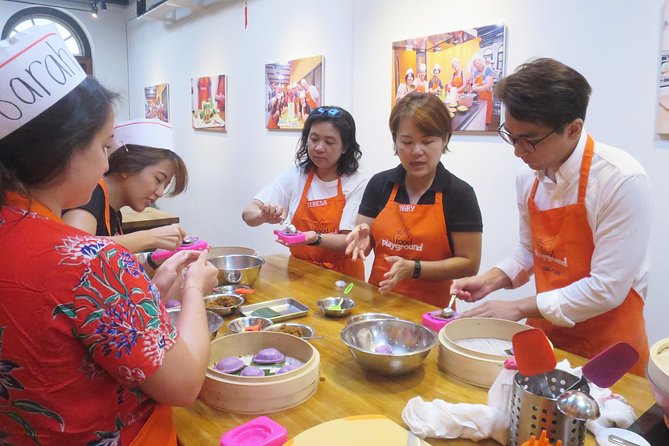
A few small moves will help you enjoy the class more.
- Arrive a few minutes early so you can check in calmly.
- Plan for a full morning and a finished lunch at the end. You will likely feel happily done for the rest of your day.
- Tell them your dietary needs when you book. The class asks you to advise dietary requirements up front.
- Be ready for menu changes. Ingredients and the exact dishes can vary, but the experience stays focused on three Singapore-style dishes and cultural context.
Also, bring the right mindset. This is a hands-on cooking experience with group learning. You’ll get better results if you’re open to learning the “why,” not only copying the “what.”
Should you book? My practical take
Book this class if you want a Singapore souvenir that isn’t just a photo. The best part is that you leave with three dishes you understand how to make, plus a sense of how different influences shape Singapore flavor. The small group setup, hands-on structure, and recipe follow-up (including photos in many experiences) make the learning stick.
I’d hesitate only if you dislike group-style narration at the start. A few experiences mention that the opening can run long, and you may feel the cooking time starts later than you want. If that’s you, go in with the expectation that explanation is part of the process.
If you’re traveling for food and you want something you can repeat at home, this is one of the more value-heavy ways to spend a morning in Singapore.
FAQ
How long is the Singapore cultural cooking class?
It runs for about 3 hours.
What time does the class start?
The start time is 9:30am.
Where is the meeting point?
You meet at 24A Sago St, Singapore 059020.
How many dishes will I cook?
You cook three dishes as part of the lesson. The menu can change.
Is lunch included?
Yes. Lunch is included, along with water, coffee, and tea.
Do I need to worry about dietary restrictions?
You should advise any dietary requirements at the time of booking.
What is the group size?
The class operates with a minimum of 2 people and a maximum of 12 travelers.
Is hotel pickup included?
No. Hotel pickup and drop-off are not included.
Can I cancel for a full refund?
Yes, you can cancel up to 24 hours in advance for a full refund. If you cancel less than 24 hours before the start time, you will not be refunded.
More Workshops in Singapore



More Cooking Classes in Singapore
More Tour Reviews in Singapore




Newest on the Singapore beat


Workshops, side by side.
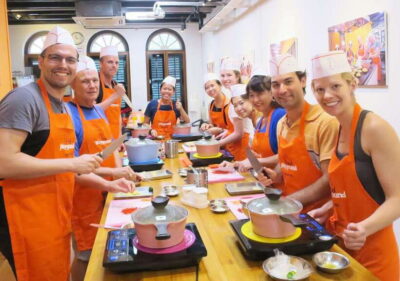 ★ 4.9Hands-on Cooking Class with Cultural ImmersionFrom $94107 reviews
 ★ 5.0Singapore Night Photography WorkshopFrom $14520 reviews
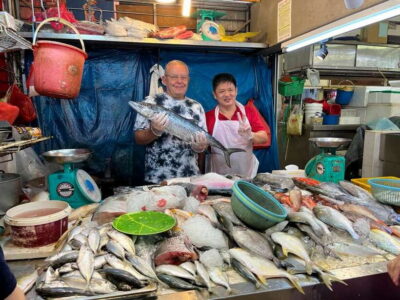 ★ 5.0Market-to-Table Experience and Cooking ClassFrom $10917 reviews
 ★ 5.0Singapore Photography Masterclass – Private Photography LessonFrom $19017 reviews
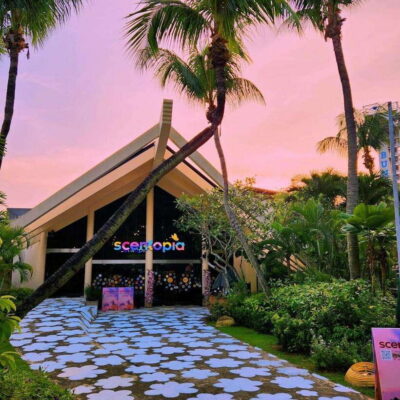 ★ 4.4Scent Crafting Workshop with Rainforest OrchidsFrom $6711 reviews
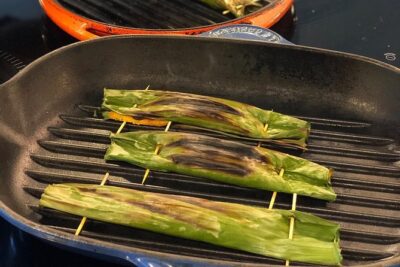 ★ 4.5Private Market Visit and Cooking Class With A Professional ChefFrom $12610 reviews
 ★ 5.0Pau Making Workshop With Dim Sum Tasting and Factory TourFrom $6446 reviews
 ★ 4.1Singaporean Cooking Class With A Professional ChefFrom $1185 reviews
Where this one also appears