
Reviewed · JOO CHIAT PERANAKAN WALKS
Learn to cook authentic Peranakan food with local market tour
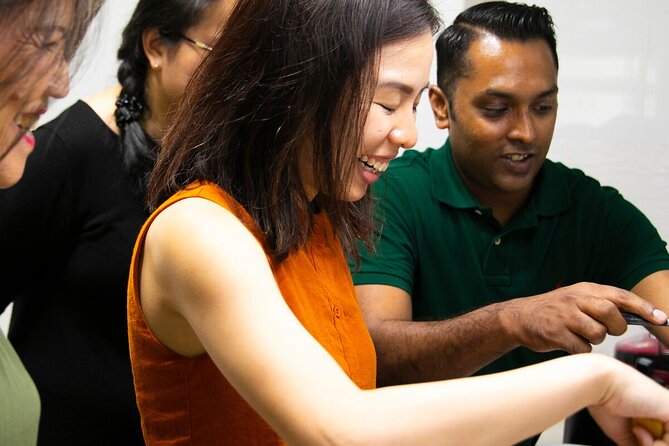
Fresh noodles in the air, and bold flavors on your hands. This Peranakan cooking class pairs a local market run with a hands-on session with private chef Wei Qiang, built around two Singapore staples: assam fishhead and ayam pongteh. I like that you cook from scratch with all ingredients and equipment provided, and I also like that you get printed recipes to take home so this is more than a one-off meal. One drawback to plan for, the workshop requires at least two people to start, so double-check timing if you are traveling solo.
You’ll begin at Chinatown MRT Station (DT19), then head into the heartland for a market tour where you buy everything needed for the cooking lesson. After shopping, you’ll cook, taste, and finish with a homey lunch that’s ideal for photos and sharing what you learned. The class keeps it small, with a maximum of 6 travelers, which helps you get real attention instead of watching from the side.
If you like markets, hands-on cooking, and learning what makes Singapore Peranakan food taste the way it does, this works well. If your idea of a cooking class is quick and casual with no shopping component, the market portion may feel like extra time in the morning. Still, the ingredients you buy are the exact ones you’ll use, and that is the whole point.
Key points at a glance
- Chinatown meeting point, morning schedule, with sessions running between 7:00 AM and 1:00 PM
- Private chef instruction with printed recipes included for what you cook
- Market tour for all ingredients, focused on local heartland experience, not just showy sights
- Two Peranakan dishes from scratch, assam fishhead and ayam pongteh (chicken stew with fermented soybean)
- Small group size with a maximum of 6 travelers for better hands-on time
Further east through the Peranakan shophouses
- Singapore Food & Bike Tour – Katong★ 5.0 · 289 reviews
- The Peranakan Mansion – Experience Singapore’s Unique Culture★ 5.0 · 117 reviews
- Katong Evening Food Tour★ 4.5 · 41 reviews
- Singapore: Food and Bike Tour: Katong District★ 4.9 · 38 reviews
Why Peranakan food tastes so different
Peranakan cuisine is all about mix and balance. It fuses Chinese ingredients and cooking techniques with Malaysian and Indonesian spices, so the flavor profile lands as bold, not bland, and often has a sweet, sour, spicy, and savory effect all in the same day.
What I like about this class is that it explains the cuisine in cooking terms. You are not just handed a plate and told to enjoy it. You learn which herbs and spices matter, then you put them to work in your own pot.
And because you are making Peranakan food in a real kitchen setup, you also understand the logic behind the steps. That matters if you ever want to recreate the dishes later, rather than just remembering a taste.
Chinatown market tour: more than a shopping errand
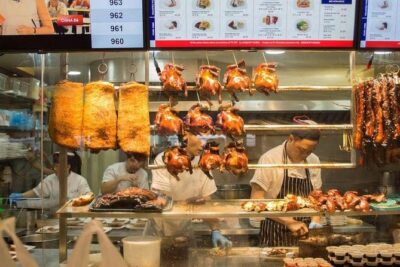
This experience includes a local market stop where you buy the ingredients for the workshop. It is designed specifically for tourists to get out of the usual tourist-attraction loop and see a more everyday side of Singapore.
Why the market part is worth your time: it makes the cooking lesson feel grounded. When you pick out ingredients yourself, you pay attention to aromas, textures, and what looks familiar versus what does not. Then, when you use them in the recipes, you know exactly what you bought and why it was there.
You’ll also get a better sense of how Peranakan flavors get built from real pantry items, not just “mystery sauce.” The market tour is basically your roadmap for the dishes that follow, especially because the class uses printed recipes and includes everything you need.
One practical note: expect the market portion to take you through streets close to where locals live and shop. If you are sensitive to crowds or you want a very structured, museum-style outing, this is not that kind of day. It is a functional, flavor-focused route.
Cooking Assam Fishhead and Ayam Pongteh from scratch
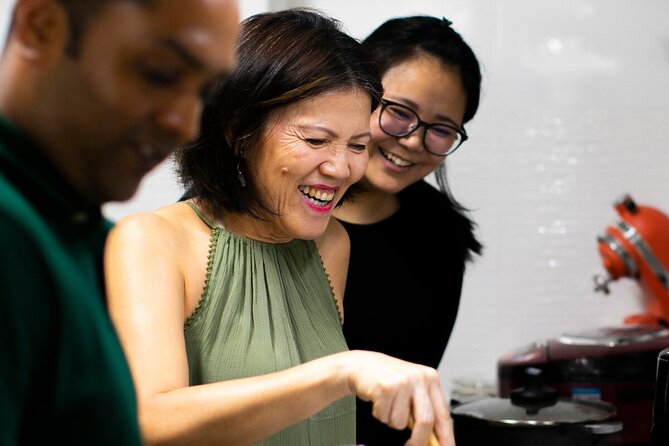
The cooking class is built around two dishes you make from scratch, then eat at the end. The dishes are assam fishhead and ayam pongteh, a chicken stew that uses fermented soybean as a key ingredient.
Here is what you should plan on, step by step. First, you shop for your ingredients so you start the cooking phase already “set up.” Then you cook in a guided format with your private chef, working with ingredients that get combined into the dish while you learn what the chef is aiming for.
Assam fishhead is the kind of dish that usually depends on layered seasoning and careful balancing. Even without a separate lecture format, you will feel the difference between just following steps and understanding flavor choices as the chef guides you through the prep.
Ayam pongteh is a great counterpoint because it centers on a specific ingredient identity, fermented soybean. That means you learn how this cuisine uses deep savory notes, not just heat. As you cook, you get a feel for how Peranakan flavors get “anchored” by particular staples.
Two dishes also helps you taste the range. One dish leans toward bold, sour-leaning character typical of assam-style cooking, while the other anchors in a stew format and fermented depth. Together they give you a stronger mental map of Peranakan cuisine than a single recipe would.
More hawker centres, more tastings
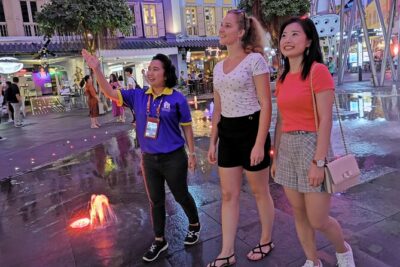
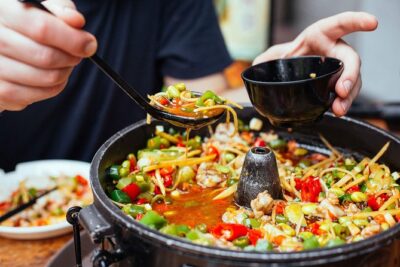
Chef Wei Qiang: private guidance that actually changes the outcome
This is a private chef setup, and it shows in the way the lesson moves. In one session style associated with chef Wei Qiang, he was welcoming and acted as a hands-on teacher who made sure the group knew what they were doing. That matters because cooking Peranakan flavors often comes down to small decisions: how much of an ingredient, when to add, and how to balance.
Chef Wei Qiang also shares context about Peranakan cooking culture, including the history behind it. You do not need to be a food historian to enjoy it, but you will likely notice how the dishes reflect the blend of Chinese technique and Southeast Asian spice influences.
In at least one booking, the group cooked three recipes together with Wei Qiang. That suggests the chef may adapt the plan based on timing or flow, while still keeping the core Peranakan classics in focus.
If you care about technique, you’ll appreciate that the class is hands-on throughout. A good sign here is that you are not being rushed through. You are guided, then you practice, then you eat what you make.
What the included lunch and printed recipes give you
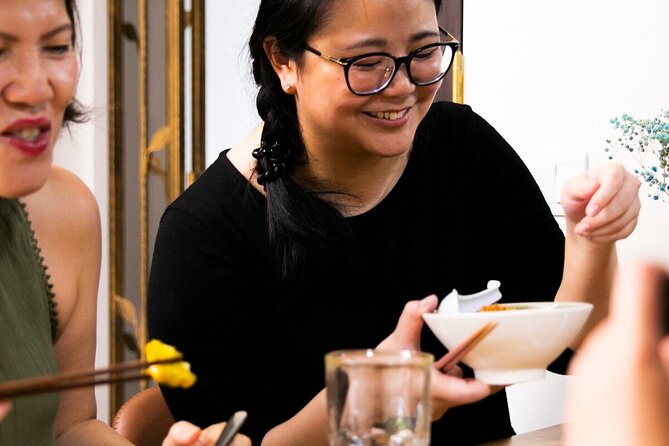
You end the workshop with a homey lunch that you eat after cooking. This is a key part of the value. You get immediate feedback from tasting the dish you built, so you can connect taste to process while it is still fresh in your mind.
The class also includes printed recipes to take home. For me, that is the difference between a cooking experience that stays a memory and one you can use again. Even if you do not cook the exact same way later, the printed steps give you something to reference when you try to recreate the flavor profile.
Also, the experience includes ingredients, cooking equipment, and an apron. That is not a small detail. It means you can show up without worrying about what pan size you need or whether you remembered to pack the one essential tool you were sure you would need.
And because the class wraps up back at the meeting point, you do not need to build a complicated transport plan afterward. You finish your day knowing exactly where you are when you are done.
Duration, group size, and why 6 hours is the sweet spot
The class is about 6 hours, which is long enough to include shopping, hands-on cooking, and a proper sit-down meal. If the experience were shorter, you would likely end up with a cooking demo more than a cooking lesson.
The maximum group size is 6 travelers. Paired with a private chef, this keeps things from turning into a lecture line where you wait your turn the whole time. Smaller groups also mean you can ask questions without feeling like you are holding up a train.
The schedule is flexible, and activities run within a window between 7:00 AM and 1:00 PM. That is helpful if you want to pair this with other Singapore plans later in the day. It is also one of the easiest food experiences to fit into a typical itinerary because it is not a full-day, 10-hour marathon.
One more practical point: the workshop requires at least 2 people to start. If you are booking as a single, make sure you confirm your session date, and keep a little flexibility in your schedule in case the operator needs to adjust.
Price and value: is $168.16 worth it
At $168.16 per person for a roughly 6-hour experience, this is not a budget cooking class. But you are paying for several things that add up fast in a city like Singapore.
First, you get a private chef, not a group instructor with limited time per person. Second, you get a market tour where ingredients are purchased for the workshop, so the experience includes both the food education and the sourcing. Third, the package includes ingredients, cooking equipment, and supplies like an apron, plus printed recipes.
For Singapore, those inclusions matter. A comparable “just cook in class” option often costs similarly once you add ingredient sourcing and tool needs. Here, you also get an actual meal at the end, so your time is capped with a full lunch rather than a sample bite.
Is it ideal for everyone? If you want to spend the day browsing markets and learning what flavors come from where, yes, it tends to feel worth it. If you only want one quick dish and zero shopping, you might feel the price is high for a straight cooking session.
Who should book, and who might skip it
This is a great fit if you:
- Like market experiences and want a more local route than the standard tourist stops
- Want to learn authentic Peranakan cooking methods from scratch
- Enjoy hands-on instruction and want printed recipes you can use later
- Prefer small groups, with a max of 6 travelers
You might reconsider if you:
- Are traveling solo and do not want to risk the workshop not starting unless there are at least 2 people
- Prefer purely sit-down food tours over cooking and prep work
- Want a late start, since the sessions run in a morning window that begins at 7:00 AM
If you like learning culture through food, the chef’s explanation of Peranakan cooking and its influences adds real texture. You leave with technique, not just a full stomach.
Should you book this Peranakan class in Singapore?
I would book it if you want a practical, flavorful day that combines a local market run with two classic Peranakan dishes you actually make. The format is designed so you do the whole loop: shop, cook, eat, then take recipes home. That makes it feel like real progress, not just entertainment.
I would skip it if you only care about eating without prep, or if your schedule cannot handle a morning start and the possibility the workshop needs at least 2 people to run. For everyone else who wants hands-on Singapore food, especially in the Peranakan tradition, this is a strong choice.
FAQ
Where does the class start and where does it end?
It starts at Chinatown MRT Station (DT19), 91 Upper Cross St, Singapore 058362. The activity ends back at the same meeting point.
How long is the Peranakan cooking class?
The experience lasts about 6 hours.
What dishes will I cook?
You will cook two Peranakan dishes from scratch: Assam Fishhead and Ayam Pongteh (chicken stew with fermented soybean).
Is the class a group activity or private?
It is a private Peranakan cooking class with a private chef, and it has a maximum of 6 travelers.
Do I need to bring ingredients or equipment?
No. The class includes all ingredients, cooking equipment, and an apron, plus printed recipes for you to take home.
What time does the class run?
Sessions run within the hours of 7:00 AM to 1:00 PM, Monday through Sunday.
How does confirmation work after booking?
You should receive confirmation within 48 hours of booking, subject to availability.
Is there a minimum number of participants?
Yes. The workshop requires at least 2 people to start.
More Tour Reviews in Singapore




More Hawker Runs and Tasting Trails

East Through the Shophouses

Newest on the Singapore beat


Joo Chiat Peranakan Walks, side by side.
 ★ 5.0Singapore Food & Bike Tour – KatongFrom $96289 reviews
 ★ 5.0Eat Snap Katong Walking Food TourFrom $76174 reviews
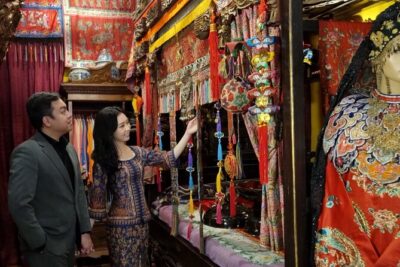 ★ 5.0The Peranakan Mansion – Experience Singapore’s Unique CultureFrom $30117 reviews
 ★ 4.5Katong Evening Food TourFrom $10341 reviews
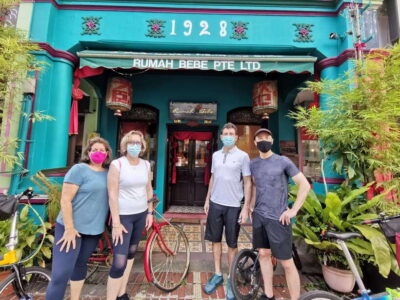 ★ 4.9Food and Bike Tour: Katong DistrictFrom $9438 reviews
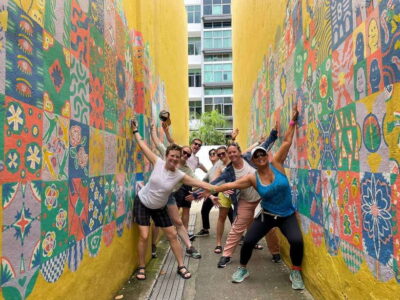 ★ 5.0Katong Local Food and City Highlights TourFrom $7518 reviews
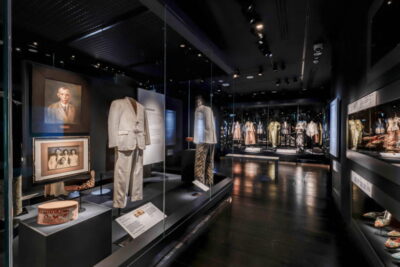 ★ 4.9Peranakan Museum Admission TicketFrom $611 reviews
 ★ 5.0Best Ever Katong Food Tour with Local Foodie – PRIVATE TOURFrom $954 reviews
Where this one also appears