
Reviewed · CHINATOWN SINGAPORE WALKS
Chinatown Heritage and Local Street Food Small Group Tour
Chinatown smells like dinner before you even start. This small group walk pairs iconic Chinatown landmarks with 7 to 8 local food tastings that make the area feel personal, not touristy. I like that the food stops come with context, so you’re not just eating, you’re understanding what you’re tasting.
One thing to plan for, the pace is active. You’ll be on your feet through multiple neighborhoods, so moderate walking stamina helps.
My other big plus is the guide. In past tours, guides such as Jason and Carol have led the group, and they bring the kind of story-telling that makes Singapore make sense fast, especially on a first day.
Key things I loved (and what to expect)
- Up to 10 people means you actually get time with your guide and a steadier rhythm at the hawker stalls
- 7 to 8 tastings keeps it satisfying without turning the tour into a food marathon
- Maxwell Food Centre is the centerpiece, where ordering strategy matters and lines form for good reasons
- Chinatown landmarks are mixed into the food plan, so the walk has meaning beyond shopping streets
- Guides like Jason can tailor food needs, including allergy-sensitive options, when possible
Still in Chinatown? Keep going
- Chinatown, Little India, Kampong Gelam City Highlights Tour★ 5.0 · 224 reviews
- Singapore: Chinatown Hawker Market Food Tour with 7 Food Tastings★ 5.0 · 213 reviews
- Singapore: Chinatown, Little India, Arab Street Walking Tour★ 4.9 · 207 reviews
- Singapore: Chinatown and Little India Guided Walking Tour★ 4.8 · 190 reviews
Why This Chinatown Food Tour Works in 2.5 Hours
This is the kind of tour that makes sense when you want Singapore quickly, without feeling rushed. In about 2 hours 30 minutes, you hit religious sights, heritage streets, and hawker centres, then end where the city does lunch like a religion.
The best part is the structure. Instead of giving you one big meal and calling it a day, you get multiple snacks and tastings, which is perfect for trying more than one style of cooking. In Singapore, the range is the whole point. One stall might go savory, another spicy, another sweet, and suddenly Chinatown feels like a living menu.
Meeting at Maxwell and How the Tour Actually Feels
The tour starts at Maxwell MRT Station Exit 2 and ends back at the same spot. That matters more than it sounds. It keeps the day simple and helps you plan the rest of your itinerary right after, since you do not need to figure out a new transport puzzle at the end.
You’ll typically move as a walking group, with short stop-and-learn breaks. The itinerary includes several quick landmark moments (some around 5 minutes) plus longer food time at hawker centres. That pacing helps you stay hungry, but not overwhelmed.
Also, the tour uses a mobile ticket, so you’re not juggling paper and QR codes at the curb. Confirmation is sent at booking time, and the meeting point is near public transportation, which keeps things low-stress.
Buddha Tooth Relic Temple: A Calm Start With a Big Cultural Anchor
The first stop is the Buddha Tooth Relic Temple and Museum, located in the heart of Chinatown. It’s known for housing a sacred relic that is believed to be connected to the Buddha’s tooth, and that belief is part of why the temple is such an attention magnet.
This is not a long visit. Expect about 5 minutes with your guide. So think of it as orientation. You’re setting context before food takes over. Even if you’re not a museum person, the visual contrast helps. You’re going from temple architecture and symbolism to hawker culture, and the shift makes Chinatown feel layered instead of random.
A small practical tip: temples tend to have dress expectations. If you’re wearing shorts or a very low-cut top, bring a light layer so you do not feel like you’re borrowing dignity at the last second.
More hawker centres, more tastings
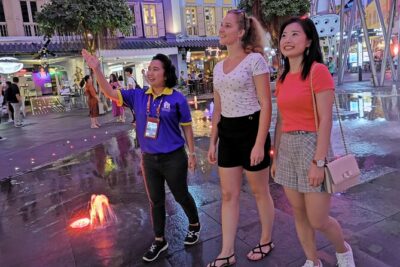
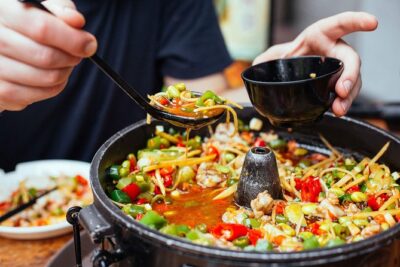
Chinatown Complex: Hawker Culture in One Massive Food Hub
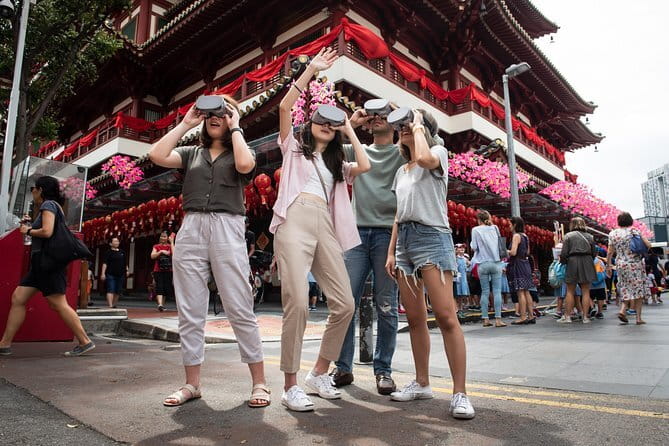
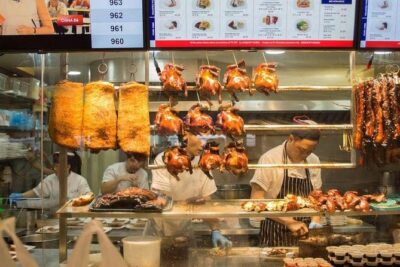
Next comes Chinatown Complex, described as one of the largest hawker centres in the city. This is the kind of place where you can feel Singapore’s everyday food rhythm without needing a special invitation.
You’ll spend about 20 minutes here. That’s enough time to understand how the space works, what stalls tend to specialize in, and why Singapore hawkers can look similar from far away but taste wildly different up close.
Why this stop is smart: it gives you a baseline. Once you’ve seen the Chinatown Complex flow, Maxwell Food Centre later feels less like a maze and more like a highlight reel.
Sago Street (Street of the Dead) and Chinatown Strolls
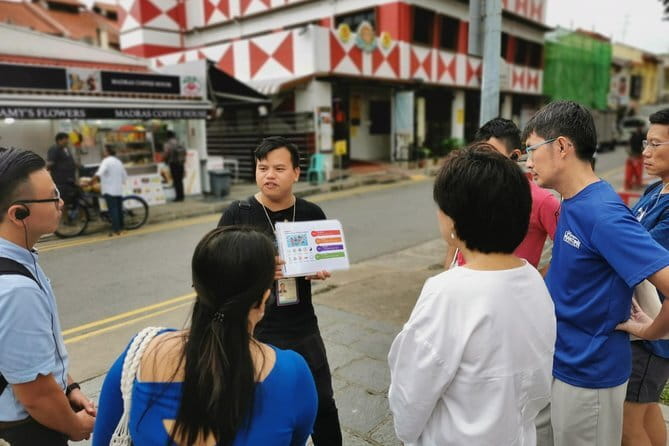
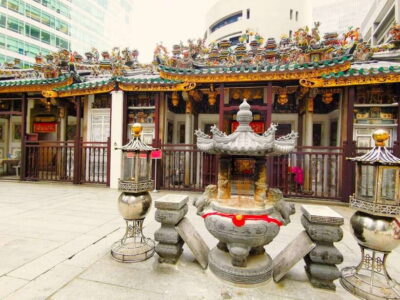
From there, you walk along Sago Street, known as the Street of the Dead. It’s a historic lane in Chinatown, with stories tied to how the area functioned in earlier decades. Even in a short stop, you get the feeling that streets here have personalities.
After that, you continue with a leisurely stroll around historic Chinatown, passing shophouses, traditional shops, and small streets that do not look like they belong on postcards. This is where you start seeing Chinatown as a place people actually lived in, not a museum set.
If you like photos, this part delivers. If you dislike crowds, aim for shorter bursts of walking and let the guide lead. The group size stays small, but Chinatown is still Chinatown.
Sri Mariamman Temple and Jamae Chulia Mosque: Faith Side by Side
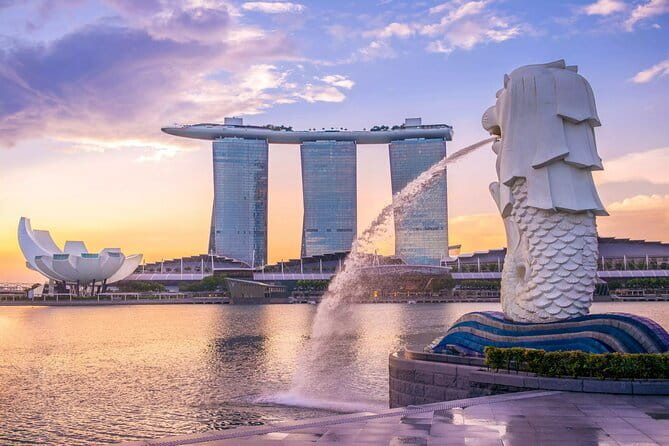
Two of the most interesting stops are the religious landmarks that shape Chinatown’s skyline:
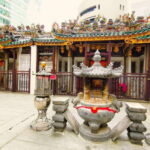
- Sri Mariamman Temple, described as Singapore’s oldest Hindu temple
- Jamae Mosque (Jamae Chulia Mosque), one of the city’s older mosques
These are short visits, but they matter. Singapore’s food identity is tied to migration and community, and these temples and mosques remind you that Chinatown isn’t one single culture. It’s a neighborhood where different faiths and traditions sit close.
Practical note: rules for entry and behavior can differ by site. If staff or your guide asks you to adjust how you dress or where you stand, follow it. It’s respectful, and it also keeps the tour moving.
Maxwell Food Centre: Where the Tour Becomes Real Food
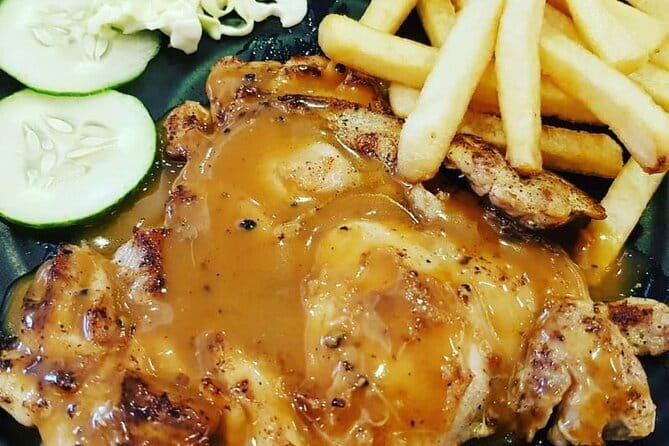
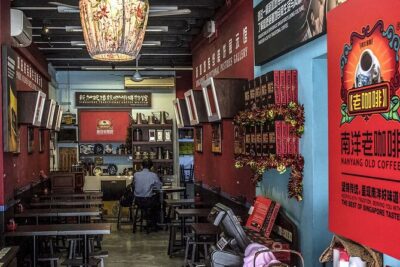
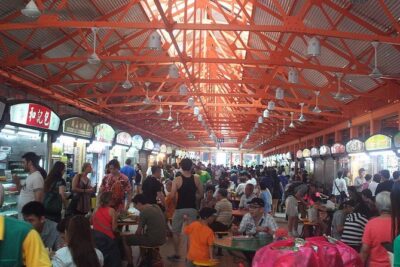
Maxwell Food Centre is the heart of the experience, and it’s where most of your memories will stick. It’s a renowned hawker centre in Chinatown with a wide spread of local dishes, and the tour gives it about 1 hour.
This stop is also where your guide earns their keep. In some past tours, guides arranged the experience around famous dishes and smart ordering. One example from the experience: lining up for Tian Tian Chicken and Rice. You can usually spot why people queue, but it still helps to understand what to get and why.
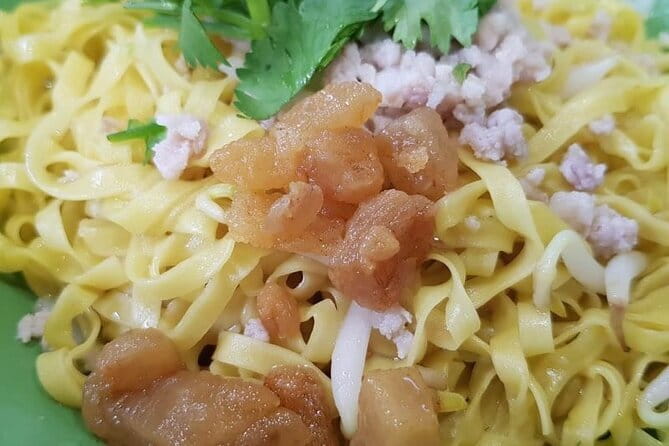
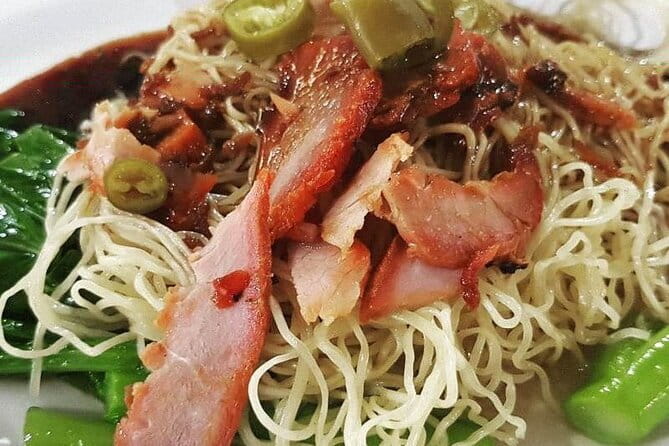
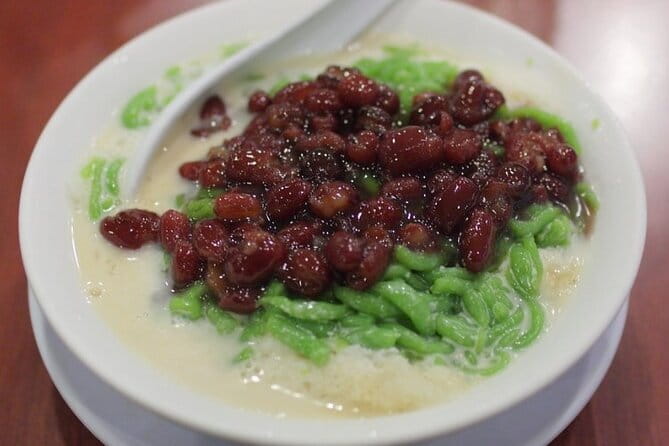
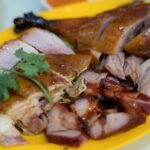
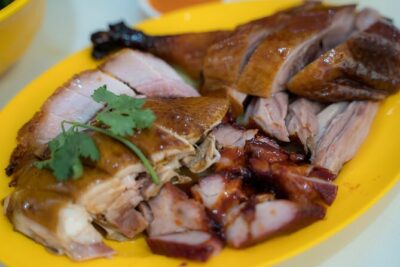
What you might taste here depends on the day and the guide’s plan, but the tastings can be more than a token snack. In one tour experience, the group described a lineup that felt like several mini courses at Maxwell, including chicken rice, plus items like cake and tea, and even a durian finish. Another common Singapore add-on you may encounter is kaya toast for a breakfast-style sweet finish.
One more practical detail: durian is famously divisive. If you know you dislike the smell, tell your guide early. Guides like Jason have adjusted food choices when someone in the group has allergies, so speaking up helps the plan work for your group.
The Food Tasting Plan: How 7 to 8 Pieces Add Up
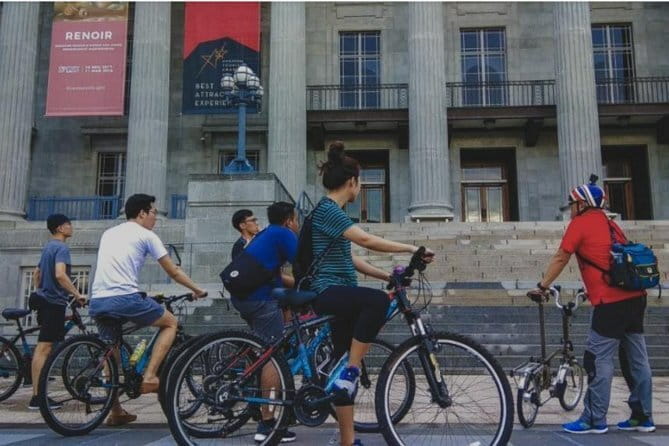
The included 7 to 8 local food and drink tastings are the value engine of this tour. At $52.31 per person, you’re paying for several things at once:
- A guide who helps you order and choose without guessing
- Access to multiple stalls in hawker settings where choices can overwhelm you
- Time savings, because navigating lines and ordering takes longer solo
If you’re thinking, I can just walk into Maxwell myself, you can. But the benefit here is guidance and a themed route, including heritage context. The tour is built to reduce wasted time. And in Singapore, small time savings add up fast.
What You’ll Learn While You Eat
This tour has a simple philosophy: food is geography. Each bite sits in a wider story, whether it’s religious heritage near the stalls, immigrant street history, or the way hawker culture became a daily habit for working Singaporeans.
You get short “pause and learn” moments at the landmarks, then immediate payoff at the food centres. That rhythm works well. It also helps first-time visitors connect the dots without needing a guidebook the size of a brick.
Small Group Size, Big Difference
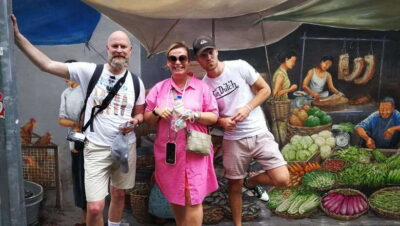
This is capped at 10 travelers. That sounds small, because it is. It means the guide can keep an eye on the group, slow down for questions, and handle the practical realities of hawker seating and ordering.
In at least one experience, a guide tailored the tour for a daughter with allergies. That’s not guaranteed in every situation, but it’s a clear sign the guide is thinking about people, not just a fixed menu script. If food needs are part of your planning, tell the operator as early as you can.
Price, Value, and Who This Tour Suits Best
At $52.31 for roughly 2.5 hours with multiple tastings and a guide, this is a strong option if you want a guided introduction to Chinatown and Singapore street food. It’s especially good for:
- First-timers who want a smart starter route
- Food explorers who like variety over one heavy meal
- Families who want an efficient way to see a lot without turning it into chaos
It’s less ideal if you want a slow, sit-down café experience. Hawker centres involve queues, standing, and quick decisions. Also, if you have very limited mobility, the walking and short transfers might be uncomfortable. The tour expects moderate physical fitness.
Quick Practical Tips Before You Go
- Wear comfortable shoes. You’ll be walking more than you think in Chinatown
- Have an appetite. The tastings add up, but you still want to enjoy them
- If you have allergies or strong food dislikes, say so early to your guide
- Bring a light layer for temples and for air-conditioned indoor hawker spaces
Should You Book This Chinatown Heritage and Street Food Tour?
I’d book it if you want an efficient first pass through Chinatown that includes both food you can taste right away and heritage stops that help the neighborhood click. The best reason to go is the combination: landmarks plus real hawker eating, with a guide who can explain dishes and guide the flow.
Skip it if you dislike walking, or if you want total independence and no structure. Also, if you strongly dislike certain smells or flavors like durian, communicate early so your tasting plan makes sense.
If this is your first day in Singapore, this tour is one of the easiest ways to get oriented fast and leave with a real sense of how Chinatown tastes.
FAQ
What food and drinks are included?
The tour includes 7 to 8 local food and drink tastings plus a guide. The exact dishes can vary by day, but you’ll be sampling local hawker-style favorites during the Chinatown and Maxwell Food Centre stops.
How long is the tour?
The duration is about 2 hours 30 minutes.
How many people are in the group?
The tour has a maximum of 10 travelers.
Where does the tour start and end?
It starts at Maxwell Station Exit 2 and ends back at the same meeting point.
Is transport included?
No. Transport is not included.
Do I need to pay for entry tickets to the attractions?
Admission tickets for the listed stops are shown as free in the tour details, and the included price is for the food tastings and guide.
More Tour Reviews in Singapore



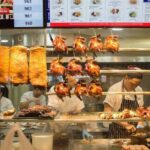
More Hawker Runs and Tasting Trails
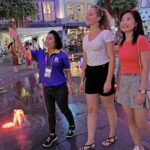


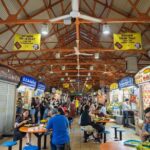
Still in Chinatown? Keep Going
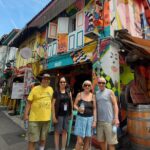
Newest on the Singapore beat


Chinatown Singapore Walks, side by side.
 ★ 5.0Chinatown, Little India, Kampong Gelam City Highlights TourFrom $80224 reviews
 ★ 5.0Chinatown Hawker Market Food Tour with 7 Food TastingsFrom $146213 reviews
Chinatown, Little India, Arab Street Walking TourFrom $53207 reviews
 ★ 4.8Chinatown and Little India Guided Walking TourFrom $78190 reviews
 ★ 5.0Chinatown Historic Walking Tour with LunchFrom $54134 reviews
 ★ 5.0Chinatown Hawker Food Tasting TourFrom $8896 reviews
 ★ 4.5Kampong Glam, Little India & Chinatown with Local Street Food TastingsFrom $17770 reviews
 ★ 5.0Chinatown Heritage Centre (Admission Ticket)From $2065 reviews
Where this one also appears