
Reviewed · JOO CHIAT PERANAKAN WALKS
Singapore: Peranakan Culture, Cuisine & Hidden Treasures
Colorful Peranakan streets tell layered stories. This Katong and Joo Chiat guided experience puts Koon Seng Road shophouses and a private Peranakan museum front and center, with context that helps the details make sense instead of just looking pretty.
I especially like that you get hands-on culture through clothing and craft, then you cool down with a proper Peranakan tea session and Nyonya snacks at a famous local stop. The main drawback to plan for is that food is described as sampling, not a full meal, so go in expecting light bites rather than a big spread.
Key Things to Know Before You Go
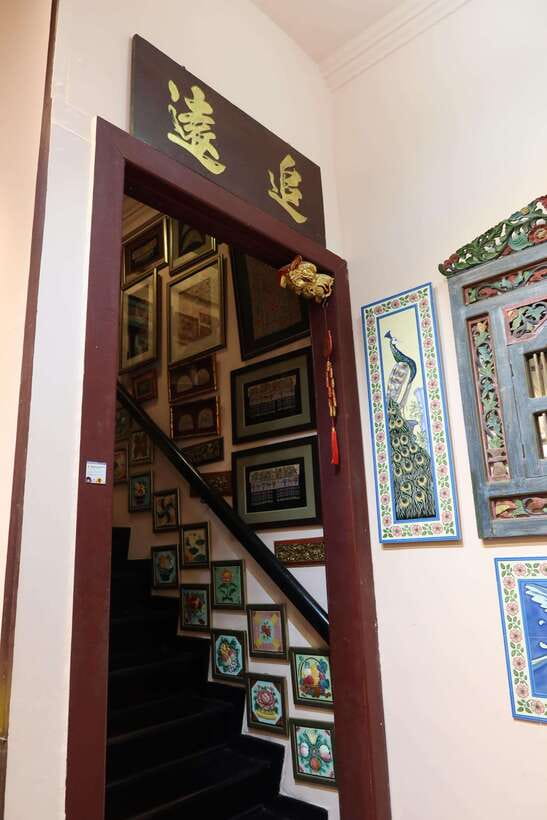
- Koon Seng Road, 1920s shophouses, real photo angles along pastel facades you will want to stop for
- A private Peranakan museum in an original home, with material culture like kebaya and kerosang details
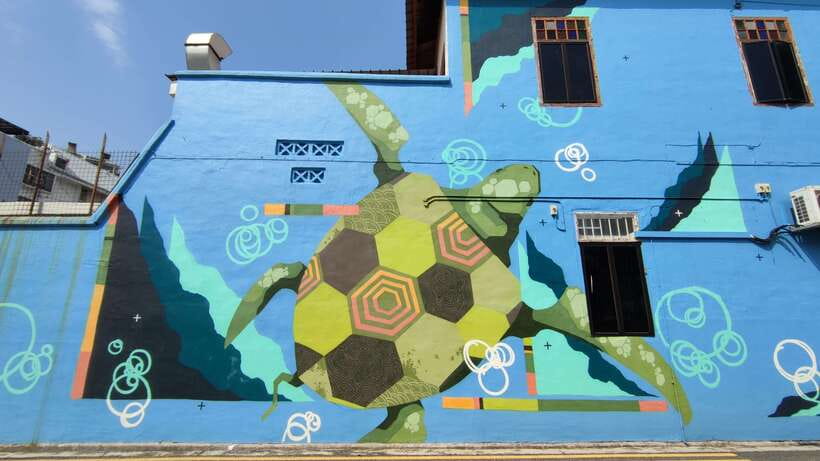
- Katong and Joo Chiat context that links neighborhoods to community identity and local symbols like the sea turtle
- A tea tasting at Kim Choo Kueh Chang, built around chewy rice dumplings and classic Nyonya snack flavors
- Laksa and Malay-Chinese fusion ideas, explained through how Peranakans shaped food culture
- Guide quality can matter, and pacing is something to watch based on real booking feedback
Further east through the Peranakan shophouses
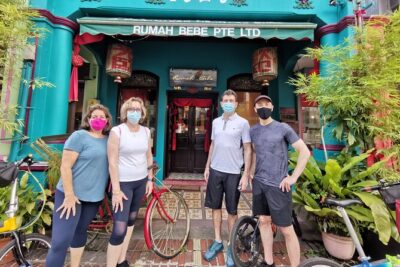
- Singapore Food & Bike Tour – Katong★ 5.0 · 289 reviews
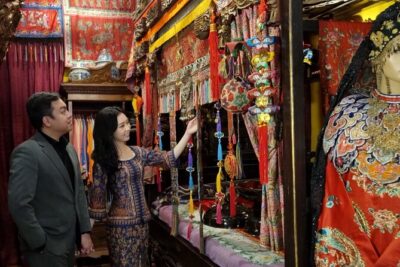
- The Peranakan Mansion – Experience Singapore’s Unique Culture★ 5.0 · 117 reviews
- Katong Evening Food Tour★ 4.5 · 41 reviews
- Singapore: Food and Bike Tour: Katong District★ 4.9 · 38 reviews
Walking Katong and Joo Chiat Like a Local, Not a Tourist
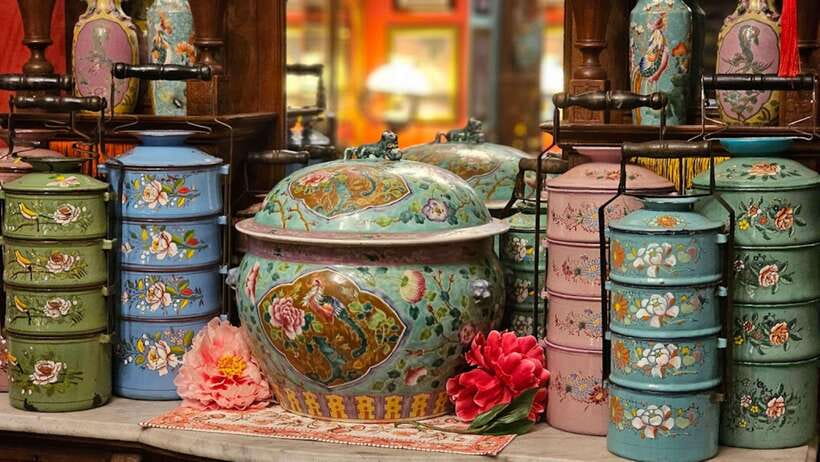
This is the kind of tour where you start looking at doors, tiles, and storefronts like they mean something. In Katong and Joo Chiat, Peranakan culture shows up in the architecture, the clothing references, and the way food tells local fusion stories.
You will be on foot for a fair amount of time. The good news is the neighborhoods are compact enough that the walk feels like part of the fun, not a slog. Wear comfortable shoes, and bring a camera, hat, sunscreen, and water because you will be outside for stretches.
This experience works best when you are curious, patient, and happy to ask your guide questions. If you want a fast hit of highlights with minimal talking, this may feel slower than you expect.
Koon Seng Road Shophouses: 1920s Pastels and the Best Photo Stops
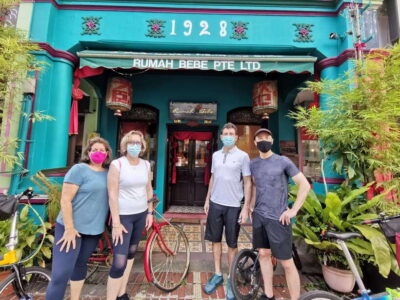
One of the strongest reasons to choose this tour is Koon Seng Road. You get a guided look at shophouses built in the 1920s, pastel-colored structures that once housed a diverse community, including Peranakan Chinese.
Why it matters: shophouses are not just Instagram backdrops. Their layout, facades, and shop-house mix reflect how trade, family life, and identity overlapped in Singapore’s older neighborhoods. When a guide ties that architecture to the Peranakan story, the details click.
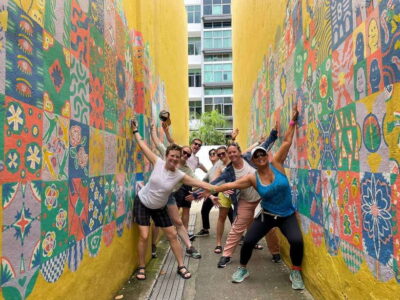
You also get time to take photos. Look for the layers of color and the rhythm of windows and doors, then frame shots that show the continuity of the street, not just one facade. If you are traveling with family, this is an easy segment to enjoy because the buildings do most of the work.
Entering a Private Peranakan Museum Home: Kebaya, Kerosang, and Beaded Shoes
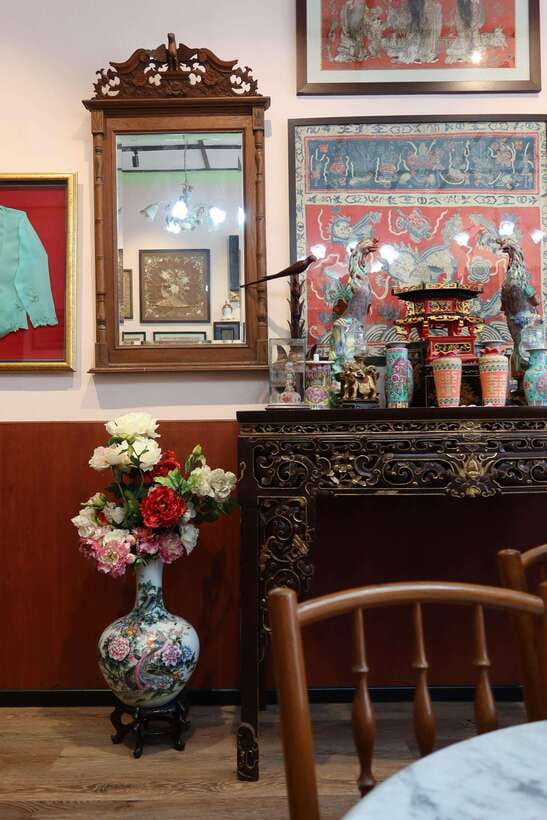
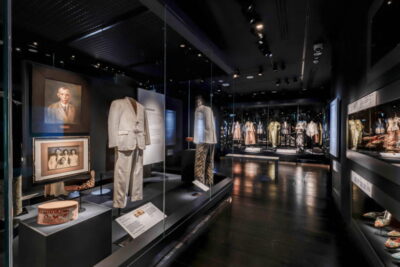
Next comes the part that feels more like a culture lesson than a sightseeing circuit. You step inside a private Peranakan museum, described as an original home of a Peranakan family and now set up as a museum space.
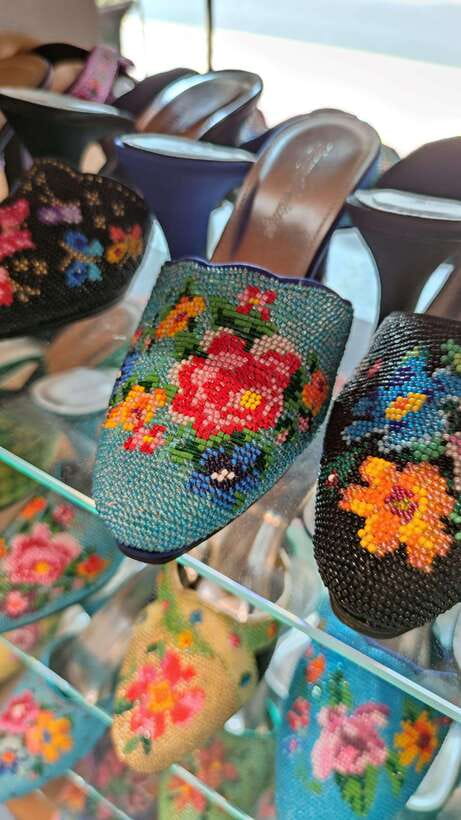
Here is what you are meant to understand: Peranakan material culture lives in the “small things,” especially clothing and accessories. The museum focuses on items such as kebaya, kerosang, and beaded shoes. Those details help you see Peranakan culture as something wearable and personal, not just decorative.
Practical tip: go in ready to slow down. Museum time is where you absorb the cues you will then spot outside later, like how patterns, ornamentation, and styling connect to street culture.
One note from booking feedback: guide enthusiasm can really improve this stop. A previous verified booking highlighted that the guide, Stefan, was talkative and that the audio earpiece helped with hearing the explanations clearly. If you like a guide who narrates with energy, you will likely enjoy this more than you think.
Katong and Joo Chiat Street Stories: Sea Turtles, Wealth, and Change Over Time
After the shophouse segment and museum visit, the tour moves through the broader Katong and Joo Chiat area with guided storytelling. You learn how Katong connects to the sea turtle symbol, and how this area became a place for wealthy residents and the Peranakans.
You also get the post-war evolution of the neighborhood, including how the area now includes hipster cafes alongside historic shophouses and an ongoing mix of culture.
This is valuable because Katong and Joo Chiat can feel like a contradiction at first: old buildings, then trendy coffee spots, then sudden bursts of color. A good guide helps you understand the continuity. The Peranakan identity did not vanish, it shifted how it shows up in daily life.
What you can do to get more from this part: pay attention to signage styles, shopfront colors, and any references to traditional aesthetics. Even if you do not recognize everything, you will start building patterns in your mind.
Kim Choo Kueh Chang Tea Session: Chewy Rice Dumplings and Nyonya Snacks
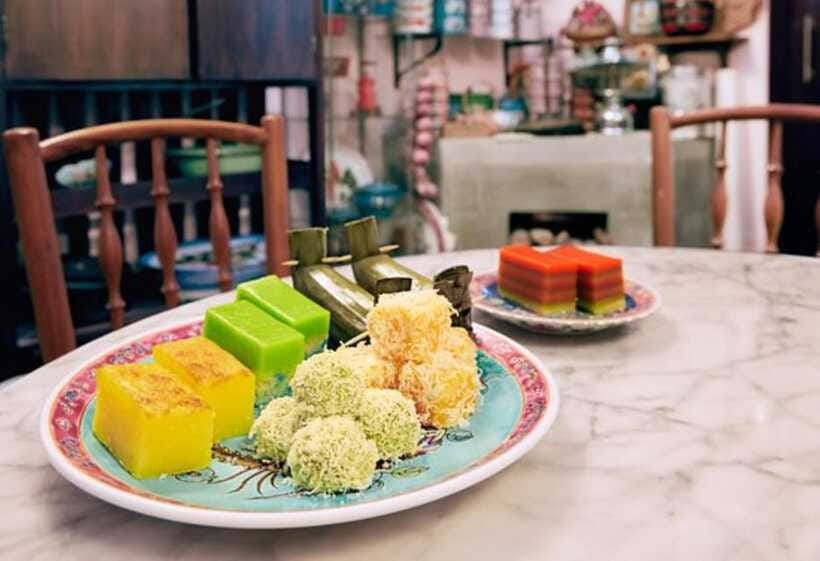
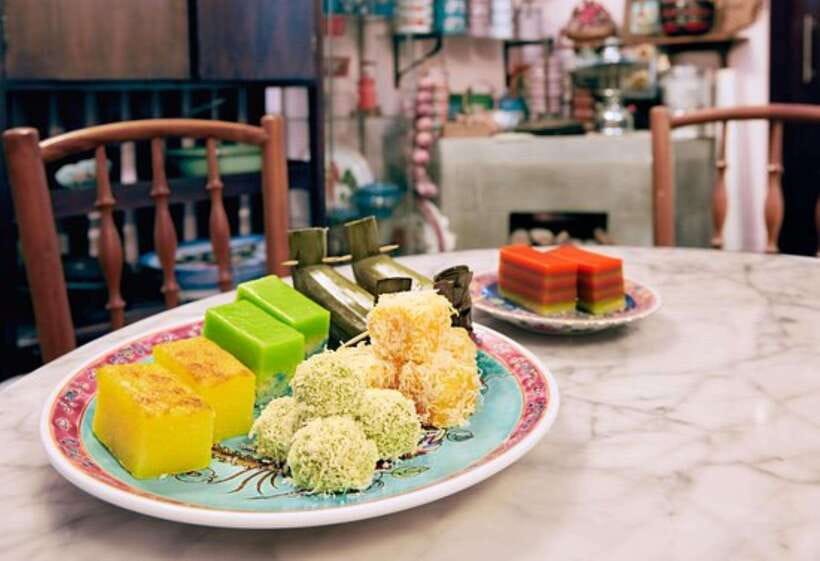
Food is built into this tour, but in a specific way. You stop at Kim Choo Kueh Chang, and the tasting is tied to a Peranakan-theme tea session. The focus is on Nyonya snacks served with tea, plus a chance to bring a taste of the area home.
One detail worth highlighting: Kim Choo Kueh Chang has been serving chewy rice dumplings since 1945. That matters because it frames the snack as tradition with staying power, not a one-off tourist item.
What to expect during the tea stop:
- light-to-moderate tastings rather than a full meal
- classic Nyonya flavors presented in a cozy, tea-focused setting
- time to sit and reset your legs in the middle of the walk
Balancing note: there has been booking feedback that the snack portion felt small for the price. You cannot guarantee quantity from the description alone, so I would plan your day accordingly. If you are the type who needs a big lunch before tours, eat earlier.
Laksa, Batik Shopping, and Food-Fashion Souvenirs
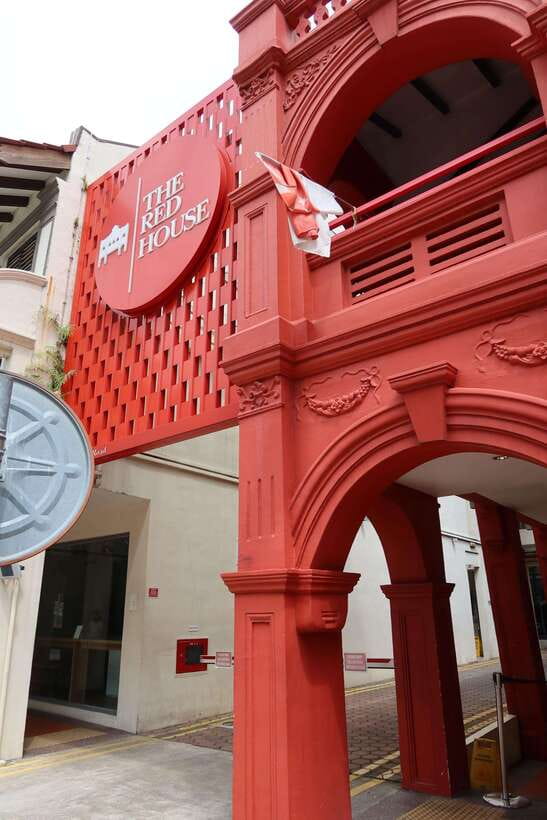
This tour also includes cultural “keepsakes” that go beyond photos. You may check out batik fabrics, which are a practical reminder of Peranakan style and regional influence.
And you get introduced to laksa, described as a spicy coconut broth representing Malay-Chinese fusion created through Peranakan food culture. The point is not just to try a dish, but to understand why it fits. Laksa is one of those “Singapore tastes like a story” foods, where several influences show up in one bowl.
If you are shopping, keep it simple:
- If batik is your style, buy something small you can carry easily.
- If you are just browsing, use the shop time to ask what patterns mean, since you will have a better cultural context after the museum.
The Guide Experience: Stefan’s Talkative Style and Why Pace Matters
The guide can make or break a neighborhood walk like this. One verified booking specifically named Stefan and praised him for being talkative about cultural and historical points. That kind of delivery tends to work well in Peranakan areas because so many details are visual.
Another booking did raise concerns about pacing, explaining the guide moved slowly and that extra time was spent at a place that did not match expectations for traditional culture. They also felt the food stop did not deliver much volume.
What this means for you: decide what matters most.
- If you enjoy detailed storytelling, this format can feel rewarding.
- If you want a tight, efficient route with heavier food sampling, you may feel underwhelmed.
To set yourself up for success, keep your expectations aligned with the tour’s structure: architecture, museum, neighborhood context, then tea snacks. That is the core promise.
Duration, Walking Time, and Getting There Without Hotel Pickup
This tour lasts about 150 minutes and runs as a live guided experience in English. It starts from 291 Joo Chiat Rd, and the meeting point is listed as outside Cold Storage. The tour finishes at i12 Katong.
There is no hotel pickup or drop-off, so you will want to plan your own transit or get there on foot and by local bus or MRT. For many people, the no-pickup setup is a plus because you can drop the hassle and start the walk faster.
Group size depends on a minimum requirement. The tour will only commence with at least 4 participants. That matters if you are traveling on a tight schedule or at off-peak times, because your start time could change based on whether enough people book.
And yes, there is a walking component, and the tour is not suitable for wheelchair users. If mobility is limited, you might want a different option with less walking.
Price and Value: Is $113 a Good Deal for Peranakan Culture?
At $113 per person for a 150-minute tour, you are paying for a mix of guided narration, access to a private museum, and a tea session with Nyonya snack sampling. That is not just a street photo walk.
Here is how to judge value realistically:
- The museum entry is a tangible included cost, and it is the part that is hardest to recreate on your own without local guidance.
- The food component is described as sampling, which can be satisfying if you like variety and tea pacing, but disappointing if you expected lots of food.
- The architecture stops are outdoors and photo-friendly, which add value if you are the kind of person who actually takes time to look.
If you are mainly after cheap eats, you may feel the price is high. If you want context that turns the neighborhood into a story you can follow, the museum and guided explanation are where the money goes.
My practical advice: treat this as a culture-first experience with light food. Then pair it with a real meal before or after so nobody goes home hungry.
Who Should Book This Tour, and Who Might Skip It
You will likely love it if you:
- enjoy Peranakan culture through fashion and craft, not just general sightseeing
- want a guided explanation of Katong and Joo Chiat symbols and neighborhood evolution
- like taking photos of shophouses and walking colorful streets at an unhurried pace
- appreciate a tea-and-snack break mid-tour
You might want to skip or adjust expectations if you:
- want a heavy food focus with a large number of tastings
- prefer very fast, tight routing with minimal detours
- need wheelchair accessibility
This tour is suitable for all ages, so it can work for families if adults stay engaged in the storytelling and kids are happy with stops for photos.
Should You Book This Peranakan Culture and Cuisine Tour?
Book it if you want a structured walk that combines architecture, museum context, and a tea tasting in Katong and Joo Chiat. The private museum visit and the clothing and accessory focus are the strongest reasons to choose it over a DIY stroll.
Hold off or reconsider if you are food-quanticy focused. Since the tour is built around snack sampling and tea, it is best paired with a real meal plan.
If you do book, do yourself a favor and come with comfy shoes, water, and a camera ready. And if you care deeply about pacing and food portion size, read closely and be prepared that guide style can affect how the experience feels.
FAQ
How long is the Peranakan culture, cuisine, and hidden treasures tour?
The tour duration is listed as 150 minutes.
Where does the tour start?
The starting location is listed as 291 Joo Chiat Rd, and the meeting point is outside Cold Storage.
What are the main areas you visit?
The tour focuses on Katong and Joo Chiat, including shophouses along Koon Seng Road and a stroll through the Katong-Joo Chiat area.
What is included in the price?
Included items are a guided tour of Katong and Joo Chiat Road, entry to a private Peranakan museum, and a Peranakan-theme tea session with sampling of Nyonya snacks.
Is there a meal included, or is it snacks?
The included food element is a tea session with sampling of Nyonya snacks, so it is best thought of as snacks rather than a full meal.
Do you taste laksa on this tour?
Laksa is listed as part of what you will be introduced to during the tour experience.
Is the tour guided in English?
Yes. The live tour guide is listed as English.
Is hotel pickup provided?
No, hotel pickup and drop-off are not included.
What should I bring?
Bring comfortable shoes, a hat, a camera, sunscreen, and water.
Is the tour wheelchair accessible?
No, the tour is listed as not suitable for wheelchair users.
More Tour Reviews in Singapore

East Through the Shophouses

Newest on the Singapore beat


Joo Chiat Peranakan Walks, side by side.
 ★ 5.0Singapore Food & Bike Tour – KatongFrom $96289 reviews
 ★ 5.0Eat Snap Katong Walking Food TourFrom $76174 reviews
 ★ 5.0The Peranakan Mansion – Experience Singapore’s Unique CultureFrom $30117 reviews
 ★ 4.5Katong Evening Food TourFrom $10341 reviews
 ★ 4.9Food and Bike Tour: Katong DistrictFrom $9438 reviews
 ★ 5.0Katong Local Food and City Highlights TourFrom $7518 reviews
 ★ 4.9Peranakan Museum Admission TicketFrom $611 reviews
 ★ 5.0Best Ever Katong Food Tour with Local Foodie – PRIVATE TOURFrom $954 reviews
Where this one also appears