
Reviewed · CHINATOWN SINGAPORE WALKS
Nostalgic Chinatown of Singapore
One street can feel like a whole century. This 2.5-hour Chinatown walking tour in Singapore mixes classic sights with a local guide’s personal anecdotes, so you don’t just read history, you feel how it changed. I like that it stays small, up to eight people, which makes it easy to ask questions and keep moving at a human pace.
Two stops land especially well: the morning hawker breakfast at Chinatown Complex and the Chinatown Heritage Centre in restored shophouses on Pagoda Street. A possible drawback is simple, it’s a walking tour, and the experience explicitly needs good weather, so bring a plan B for humid rain.
Along the way, you’ll cover the classic “old Chinatown” map points, plus newer layers like Ann Siang Hill. And yes, you’ll end in a very practical place, Maxwell Food Centre, so finishing with local food is built into the day.
Key Highlights You Should Know Before You Go
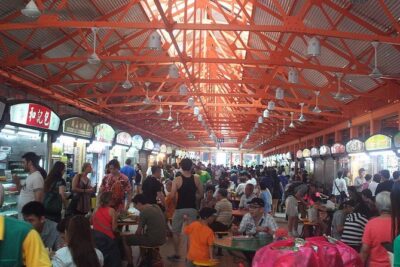
- Hawker breakfast included at Chinatown Complex, right where locals still shop and eat
- Small group size (max 8) for more attention and fewer bottlenecks
- Chinatown Heritage Centre inside restored Pagoda Street shophouses, with a focused look at early residents
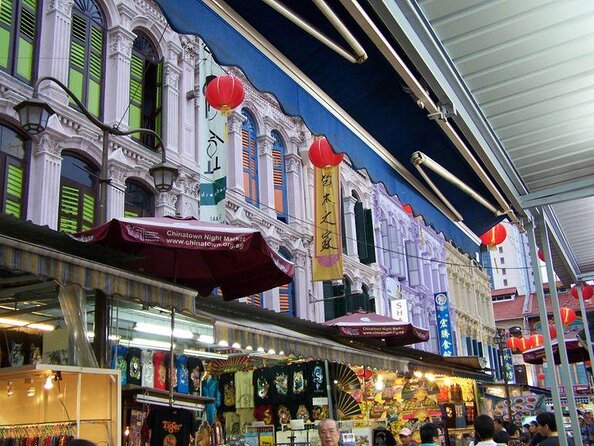
- Pedestrianized street-market walking for an easier, more enjoyable stroll through the core of Chinatown
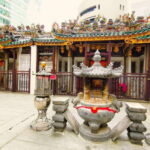
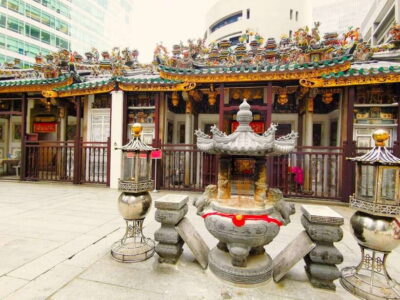
- Buddha Tooth Relic Temple and Museum stop that comes with street-level storytelling
- Ann Siang Hill walk through restored shop houses where old and new share the same block
Still in Chinatown? Keep going
- Chinatown, Little India, Kampong Gelam City Highlights Tour★ 5.0 · 224 reviews
- Singapore: Chinatown Hawker Market Food Tour with 7 Food Tastings★ 5.0 · 213 reviews
- Singapore: Chinatown, Little India, Arab Street Walking Tour★ 4.9 · 207 reviews
- Singapore: Chinatown and Little India Guided Walking Tour★ 4.8 · 190 reviews
Why This Chinatown Walk Feels More Like a Local Morning
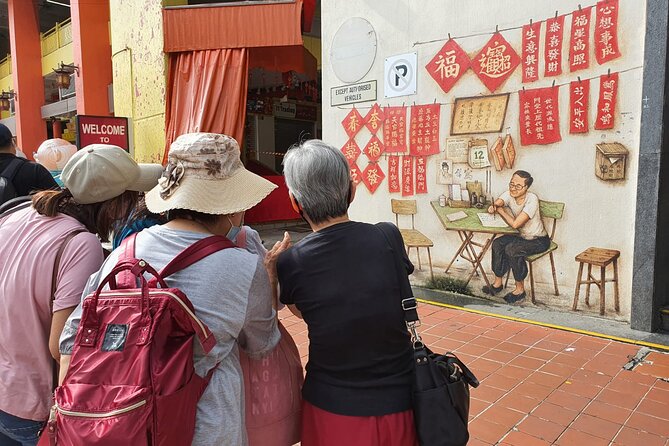
Singapore’s Chinatown can look like a photo set, especially if you only do a quick loop. This tour is built to slow you down and give you the “why” behind the scenes. You follow in a local’s footsteps, with history and culture woven in through personal stories, not just facts on a sign.
The timing matters too. Starting at 9:00 am puts you in the morning rhythm, when the area still feels like working Chinatown, not just sightseeing mode. You also get a built-in snack and meal stop through the hawker breakfast at Chinatown Complex, which keeps energy up for the rest of the route.
The small-group limit of eight is a quiet but important detail. Big tours can turn into a crowd shuffle. Here, you’re more likely to hear the explanations clearly and respond to the guide when they point something out at street level.
Small Group Size, Personal Anecdotes, and Real Question Time
This experience caps at eight travelers, and that changes the whole tone. In a small group, your guide can slow down for questions, and you can actually connect the details to what you’re seeing. You’re also less likely to get separated, which matters on a neighborhood walk where turns and side streets happen often.
I also like the way this tour blends general history with personal touches. One of the best reviews highlights how the guide did not hide the darker sides of Chinatown’s past. That honesty helps you understand Chinatown as a lived place, including hardship, not just the tidy parts that make good postcards.
Another nice touch is the “on foot” format. Chinatown’s best clues are visual and sensory: shop frontage, street layout, where people naturally gather. Walking keeps those cues in front of you, instead of behind glass or on a map.
Stop-by-Stop: Chinatown Complex and Your Included Hawker Breakfast
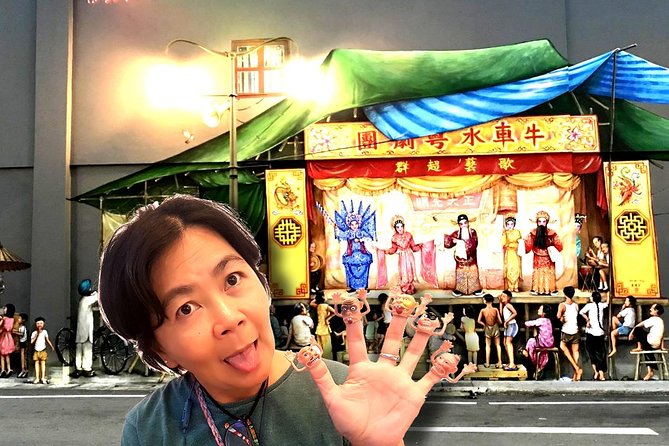
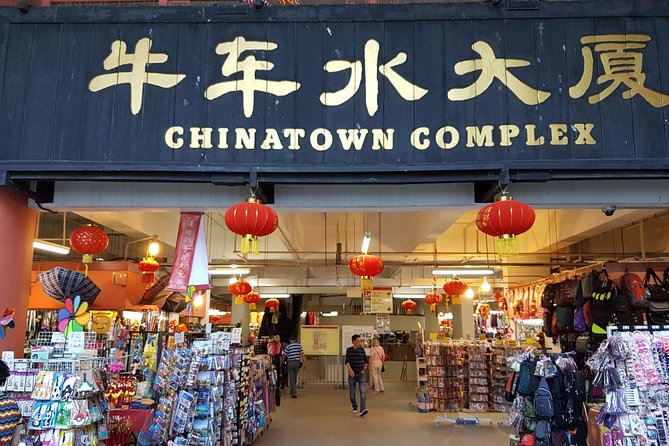
You start at the Chinatown area around New Bridge Road and Upper Cross Street, then make your first stop at Chinatown Complex. This is one of Singapore’s older wet market settings, where you’ll see stalls selling sundry goods. It’s a great start because it anchors the day in daily life, not just landmark sightseeing.
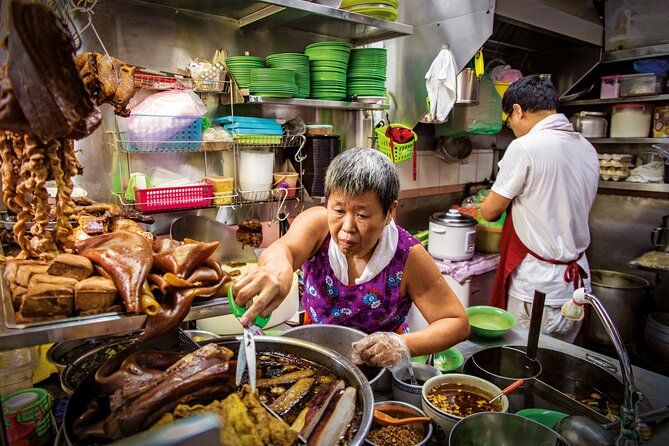
The standout here is the local breakfast at the hawker centre in the same complex. Hawker food is one of those things that sounds simple until you experience it in context. In a place like Chinatown Complex, the hawker centre isn’t an “activity.” It’s part of routine, so you get food that feels rooted in the neighborhood.
Timing is tight but doable: about 30 minutes. That’s enough to settle in, eat, and still have time to move on without feeling rushed all day. The practical value is big too. If you’re traveling for Singapore’s top sights, a breakfast stop that keeps energy steady helps your whole afternoon.
What to watch for: hawker breakfasts can involve lots of stalls and choices. Since this tour includes breakfast but doesn’t spell out menu items, you’ll want to keep an open mind and follow your guide’s lead on what to try.
Chinatown Heritage Centre on Pagoda Street: Restored Shophouses With Stories
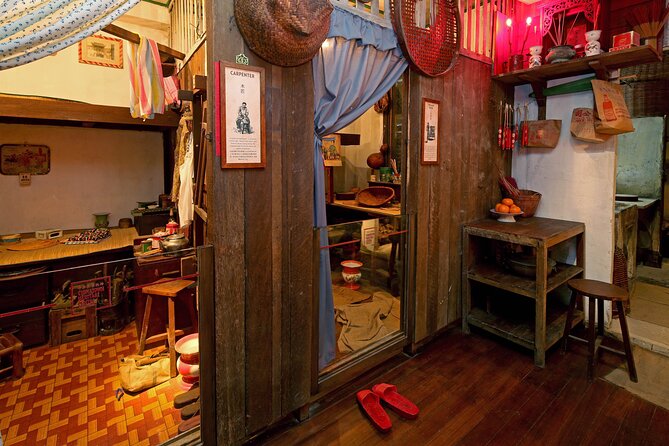
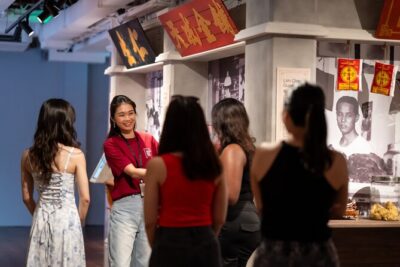
Next up is the Chinatown Heritage Centre on Pagoda Street. The tour calls out something meaningful here: it’s located within three beautifully-restored shophouses, and it offers a rare glimpse into the lives of Chinatown’s early residents.
This stop works because it’s not trying to be everything at once. It focuses on people and everyday life, and it stays grounded in place, in buildings that have been restored. Shophouses are a key Chinatown language, and seeing them as living space style rather than just “old architecture” helps you read the neighborhood better.
You’ll spend about 45 minutes here, and that’s a good length for a museum-type stop on a walking tour. It’s long enough to absorb what you’re seeing, but not so long that you lose the morning walking momentum.
A possible consideration: museum time can feel slower when it’s very hot. If Singapore weather is warm on your date, keep water handy and pace yourself inside.
Chinatown Street Market Stroll: Where the Core Still Feels Pedestrian-Friendly
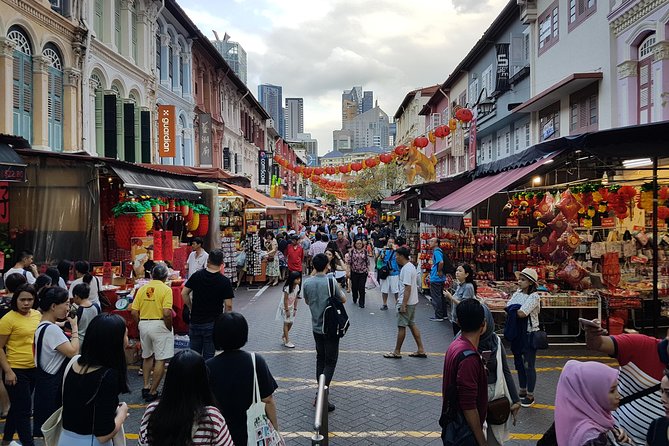
After the heritage stop, you move into the heart of Chinatown at the Chinatown Street Market. This is where the tour leans into a key idea: many roads have been pedestrianised, so walking through them is easier and more enjoyable.
Spending about 30 minutes here gives you time to feel the street pulse without turning it into a shopping marathon. You’re there to understand how the streets function and why certain areas stayed important. Even if you don’t buy anything, walking through pedestrian lanes helps you notice the flow of foot traffic and the way shop fronts line up.
This is also a useful mental reset after indoor or semi-indoor stops. You come out with fresh eyes, and the guide can connect what you learned earlier about early residents and changing Chinatown patterns to what you see on the street.
Buddha Tooth Relic Temple and Museum: Street-Level Storytelling, Not Just a Landmark
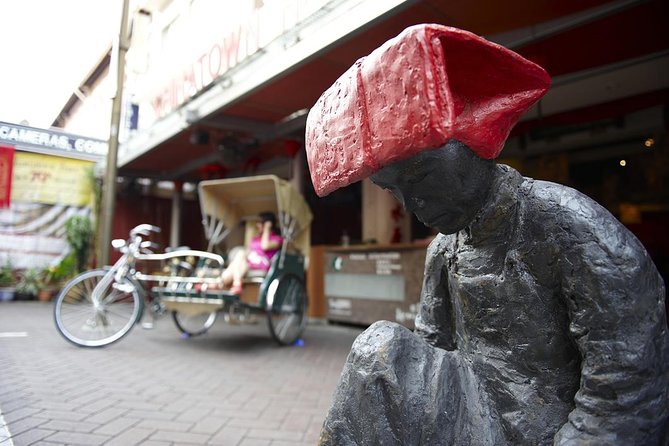
Next is Buddha Tooth Relic Temple and Museum, with a short visit of about 15 minutes. The itinerary doesn’t just position this as a “see the temple” stop. It says you’ll hear what the guide has to say about the street where it sits.
That’s exactly what makes this stop worth it on a walking tour. Temple areas often get simplified into architecture and photos. Here, the guide frames the surrounding street in a story, including a personal anecdote about staying nearby as a child and describing the street as deadly in those earlier times. You’re not just looking at a religious landmark, you’re learning how people moved through risk, routine, and change.
Because the time is short, manage expectations. This isn’t a long, in-depth museum day. It’s a quick, narrative-style stop that adds context and texture to the rest of the route.
Practical tip: because it’s a short segment, have your phone ready for quick photos, but also give yourself a moment to look up. Temple façades and rooflines can be easy to miss when you’re walking and chatting.
Ann Siang Hill: Restored Shophouses and the Old-New Mix
You finish with a relaxed walk through Ann Siang Hill, spending about 30 minutes. This portion is described as elegant, restored shop houses, with a more sophisticated interplay of shopping, dining, history, and modernity.
This is a smart way to end because it shows Chinatown as a living neighborhood, not a closed museum district. The guide’s stories here help you connect old built forms to how people use them now. Even if you’re not planning to shop, the area’s layout teaches you how heritage spaces can stay functional.
The pacing here is also a good fit for a tour close to the finish line. After several stops, the relaxed walk helps you land the day without feeling like you’re sprinting to tick boxes.
One consideration: if you love quiet streets, you’ll want to slow down and find side views. The main lanes can draw crowds, especially later in the morning.
Price and Value: Is $52.46 Worth 2.5 Hours?
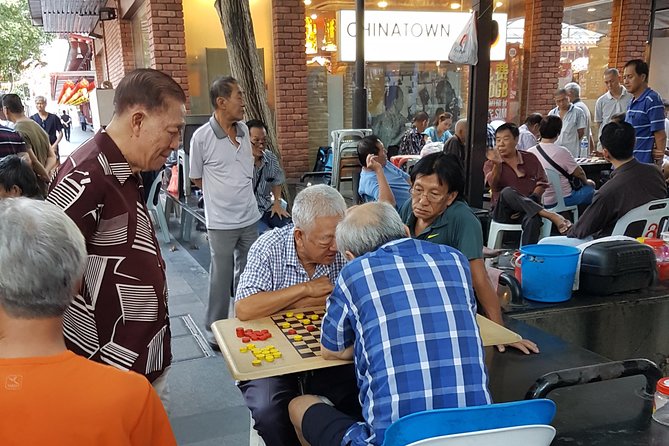
At $52.46 per person for about 2 hours 30 minutes, you’re paying for three things: local guided context, a structured route that hits key Chinatown zones, and included experiences at multiple stops.
Here’s what makes the price feel fair based on what you actually do:
- Group size is limited to eight, so you’re not paying premium money just to stand behind people.
- The route includes entry to listed places marked admission ticket free for each stop.
- You also get an included hawker breakfast at Chinatown Complex, which is often the cost that surprises people most when they plan food separately.
If you were to try to build this day on your own, you’d still need to figure out where to eat, how to structure your time, and what to focus on so you don’t miss the “why.” This tour does that work and hands you the story thread so the neighborhood makes more sense as you go.
The best value angle is time plus guidance. For a first visit, Chinatown can be overwhelming. A focused route with the right stops makes your morning feel productive without feeling like homework.
Getting There, What to Bring, and How to Enjoy the Walk
The tour starts at Chinatown, near the area listed around 151 New Bridge Road and 91 Upper Cross Street. It ends at Maxwell Food Centre on Kadayanallur Street, which is a practical finisher because food is right there.
You’ll also want to plan your return. The tour notes that you can connect to the rail network from Tanjong Pagar MRT Station, about 5 to 10 minutes’ walk away. That makes it easy to continue your day without needing a taxi right after.
Bring the basics:
- Comfortable walking shoes, because it’s an on-foot route in a dense neighborhood.
- A reusable water bottle, since you’ll be outside between stops.
- A light layer or umbrella, since the experience requires good weather and you’ll want to stay comfortable in Singapore’s conditions.
For timing, the tour starts at 9:00 am, so give yourself extra minutes to find the exact meeting spot. Even if the meeting area is near transit, Chinatown street naming and cross-streets can make you second-guess yourself.
Who Should Book This Tour, and Who Might Skip It
This is a strong fit if:
- You want a first-time Chinatown experience that feels grounded in local life.
- You care about history with real human angles, including the harder parts.
- You like guided walking tours where you can ask questions and learn in context.
You might think twice if:
- You dislike walking and prefer purely indoor sightseeing.
- You’re visiting only for a very quick photo-and-go schedule, because this route expects you to spend time at each stop, including the heritage centre.
If you’re the kind of traveler who likes to understand a place instead of just seeing it, this tour is a good match.
Should You Book This Nostalgic Chinatown of Singapore Tour?
I’d book it if you want your Chinatown morning to make sense fast. The combination of an included hawker breakfast, a heritage-focused stop on Pagoda Street, and a guide who shares more than the glossy highlights gives you real value for your time. The small-group cap of eight is the detail that helps it feel personal instead of chaotic.
If weather is your concern, you should also treat it as a morning plan with flexibility. Since the experience requires good weather and can be rescheduled or refunded if canceled due to conditions, you’re better off scheduling it on a day you can adapt.
Overall, this is a Chinatown tour built for people who want the neighborhood to feel like a lived place, not just a list of stops.
FAQ
How long is the Nostalgic Chinatown of Singapore tour?
It runs for approximately 2 hours 30 minutes.
How many people are in the group?
The tour has a maximum of eight travelers.
Where does the tour start and end?
It starts in the Chinatown area around 151 New Bridge Road and 91 Upper Cross Street. It ends at Maxwell Food Centre, 1 Kadayanallur St.
What stops are included?
The tour includes Chinatown Complex, Chinatown Heritage Centre, Chinatown Street Market, Buddha Tooth Relic Temple and Museum, and Ann Siang Hill.
Is food included?
Yes. At the Chinatown Complex stop, you have a local breakfast at the hawker centre in the same complex.
What if the weather is poor?
The tour requires good weather. If it is canceled due to poor weather, you’ll be offered a different date or a full refund.
More Tour Reviews in Singapore



Still in Chinatown? Keep Going

Newest on the Singapore beat


Chinatown Singapore Walks, side by side.
 ★ 5.0Chinatown, Little India, Kampong Gelam City Highlights TourFrom $80224 reviews
 ★ 5.0Chinatown Hawker Market Food Tour with 7 Food TastingsFrom $146213 reviews
Chinatown, Little India, Arab Street Walking TourFrom $53207 reviews
 ★ 4.8Chinatown and Little India Guided Walking TourFrom $78190 reviews
 ★ 5.0Chinatown Historic Walking Tour with LunchFrom $54134 reviews
 ★ 5.0Chinatown Hawker Food Tasting TourFrom $8896 reviews
 ★ 4.5Kampong Glam, Little India & Chinatown with Local Street Food TastingsFrom $17770 reviews
 ★ 5.0Chinatown Heritage Centre (Admission Ticket)From $2065 reviews
Where this one also appears