
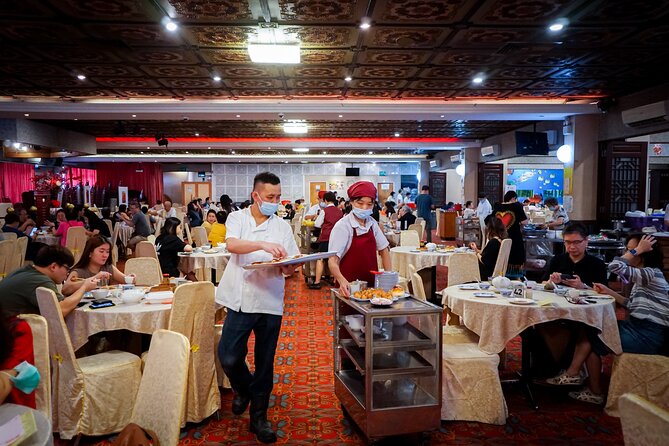
Reviewed · CHINATOWN SINGAPORE WALKS
Feel the Heartbeat: A Singapore Chinatown Walking Tour
A Chinatown walk that also feeds you. This Singapore Chinatown walking tour blends a short food start, guided storytelling by shophouse facades, and a calm finish with a Chinese tea session. You get the neighborhood’s layered identity in a way that feels organized, not frantic.
Two things I really like: first, the tour doesn’t just point at landmarks, it ties them to how people lived and moved through the area. Second, the food flow is built in, so you’re not stuck hunting down what to eat next. The main thing to consider is that the food choices are fixed, and you can’t swap for dietary needs.
Because it’s a guided walking tour (and the group pace affects timing), you’ll want comfortable shoes and a bit of patience if your group slows down for stories and photos.
Key highlights at a glance
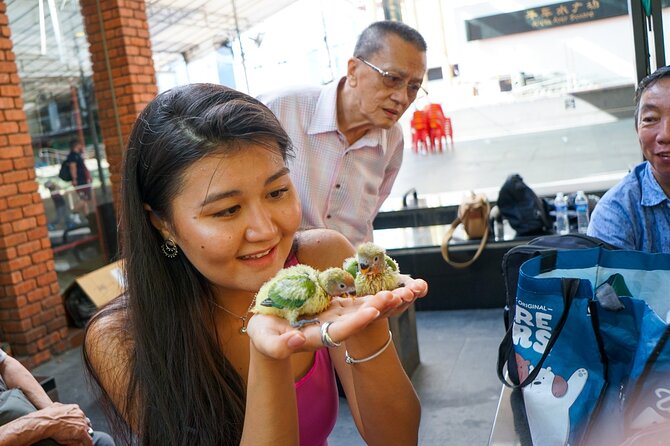
- Food tasting that sets the tone with a shared start before you roam
- Street-of-Harmony sightline where temples, mosques, and churches sit close together
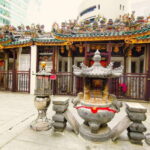
- Iconic stop points like Buddha Tooth Relic Temple and Sri Mariamman Temple
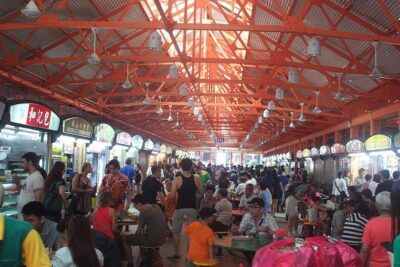
- Market and hawker-style eating energy at Chinatown Complex
- Chinese tea session designed as a mindful pause with aroma and slowness
- Small group size with a maximum of 8 people for a more relaxed pace
Still in Chinatown? Keep going
- Chinatown, Little India, Kampong Gelam City Highlights Tour★ 5.0 · 224 reviews
- Singapore: Chinatown Hawker Market Food Tour with 7 Food Tastings★ 5.0 · 213 reviews
- Singapore: Chinatown, Little India, Arab Street Walking Tour★ 4.9 · 207 reviews
- Singapore: Chinatown and Little India Guided Walking Tour★ 4.8 · 190 reviews
Chinatown MRT meeting point and what the route feels like
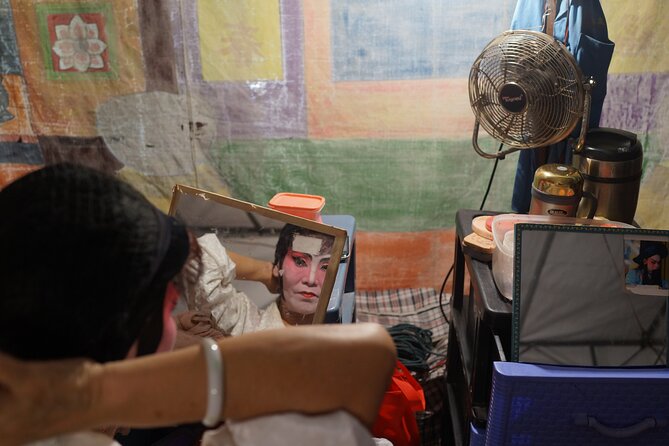
This tour starts at Chinatown MRT Station (DT19), specifically by 91 Upper Cross St, Singapore 058362, then it ends on Temple Street (near enough that you’re not stranded at the far edge of the neighborhood). It’s a classic format that works well in Singapore: meet by public transit, walk as a group through the core sights, and finish where you can easily continue on your own.
The walk is about 2 hours on average, but it can stretch to around 2 to 2.5 hours depending on group pace. That matters because Chinatown is one of those places where you’ll be tempted to stop for photos, read plaques, and duck into side streets. The guide’s job is to keep that momentum without rushing you into sensory overload.
Also, this is a mobile ticket tour with an English-speaking guide, so you’re not dealing with printed vouchers or language barriers. Confirmation is typically sent within 48 hours of booking, if there’s space.
Why the “food first, stories second” approach works
I like how this tour respects attention spans and hunger at the same time. You begin with a shared food tasting of a local dish before you head into the main walking portion. That does two useful things for you.
First, it gives you a flavor anchor. Once you’ve tasted something local right away, the rest of Chinatown feels less like sightseeing and more like understanding how people eat, worship, shop, and socialize in the same streets.
Second, it saves you from the most common Chinatown problem: arriving hungry, then spending the first hour trying to decide where to go. Here, the guide helps you move straight into the plan.
In addition to that start, meals are included, and you also get coffee and/or tea plus a dedicated Chinese tea session later. So your total experience is food-focused without turning into a random series of stops where you’re waiting on everyone.
Street of Harmony: the quick lesson that changes how you see the area
The tour’s first big storytelling arc is walking through the area where Singapore’s Street of Harmony idea becomes physical. The guide points out how temples, mosques, and churches exist within walking distance and even within the same broader streetscape.
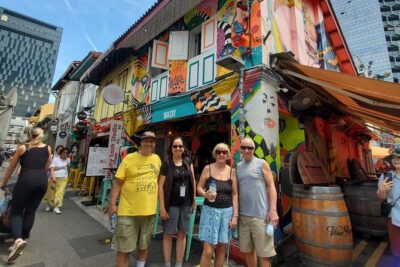
That’s more than a trivia stop. It changes how you see Chinatown. Instead of treating Chinatown as only one cultural story, you start noticing the overlap: how architecture, street patterns, and community needs shaped what got built where. You’ll also spend time on shophouse lines and mural areas, where the guide explains how the facades reflect the area’s resilience across generations.
If you love urban details, this part is where the tour earns its keep. You’re not just moving from photo spot to photo spot. You’re learning how the neighborhood became what it is.
Other Singapore walks that cover different ground
Buddha Tooth Relic Temple and Sri Mariamman Temple: what to notice up close
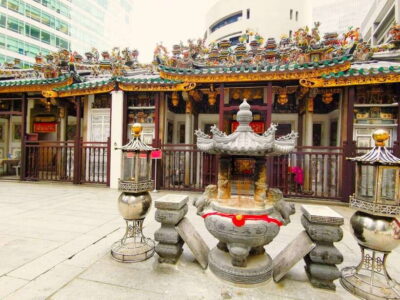
You’ll pass the Buddha Tooth Relic Temple, a standout landmark in the area. Even if you’ve seen temple exteriors in photos before, walking past it with a guide is different. You start picking up context: what the site represents, why it’s visually prominent, and how it fits into the surrounding religious landscape.
Then there’s Sri Mariamman Temple, known for its bold identity and artistic presence. The guide’s emphasis here is the contrast of Chinatown’s architectural languages. This temple scene can feel like a whole separate world from shophouse streets and alley markets, but the walking route keeps them connected.
Practical tip: if you want photos, keep your camera ready during these temple transitions. It’s easy to lose track while you’re eating or listening, and some of the best exterior angles are when you’re still close and the group is paused.
Jamae Mosque and Chinatown’s layered faith in one walk
Another powerful part of the walk is the inclusion of Jamae Mosque. Having it included alongside the temple stops reinforces the tour’s central idea: Chinatown’s streets are shaped by multiple faith communities living near each other.
This is one of those moments where the guide’s narration really matters. Without guidance, you might treat each place as an individual landmark. With guidance, you start seeing the bigger pattern: coexisting communities that shaped local life, business, and foot traffic.
If you’re the type who likes history but gets bored by long lectures, you’ll probably enjoy this section. The explanation stays tied to what you’re actually seeing in front of you.
Chinatown Complex and market energy: where the “how Singapore eats” lesson lands
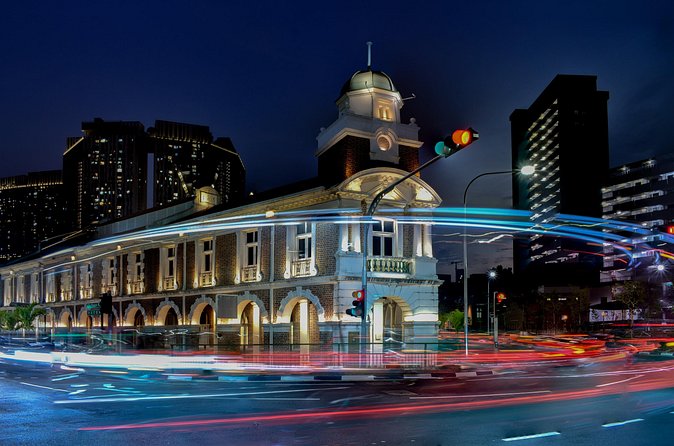
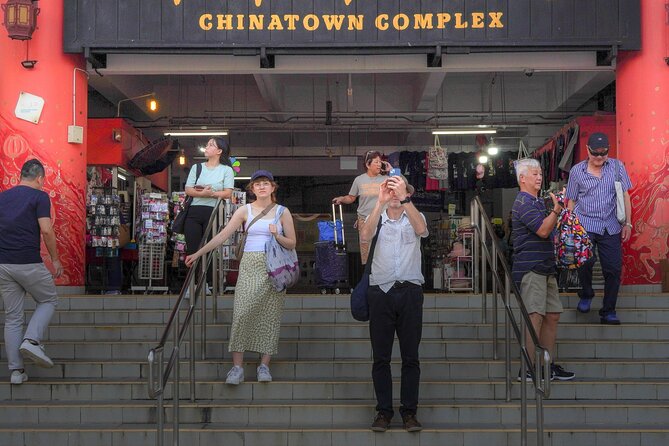
After the religious and streetscape portion, the tour shifts to everyday life. You’ll visit Chinatown Complex, a hub where you can feel the rhythm of local food and market stalls.
This part is especially valuable because it’s not just about famous sights. Chinatown Complex helps you understand how people feed themselves day to day. The guide connects the area’s immigrant story and dialect-group influences to what you’re likely to eat and where those foods show up.
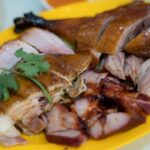
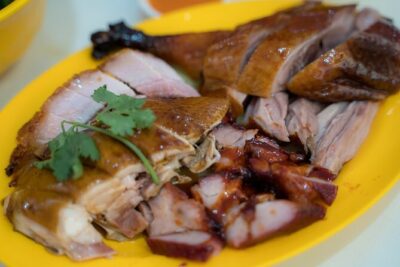
Food stops on this kind of tour often vary by what’s available, but the experience is set up so you’re tasting multiple Singapore favorites rather than just grabbing one snack. From the menus that have shown up on past tours, you may get items like Cantonese-style roast pork and char siew, and you might also encounter comfort classics such as laksa.
One drawback to note: the food selections are fixed. That means there’s no easy swap if you don’t eat something specific. If dietary restrictions are a concern for you, this is the first thing to check before you book.
The shophouses and murals stop: why the story makes the streets feel real
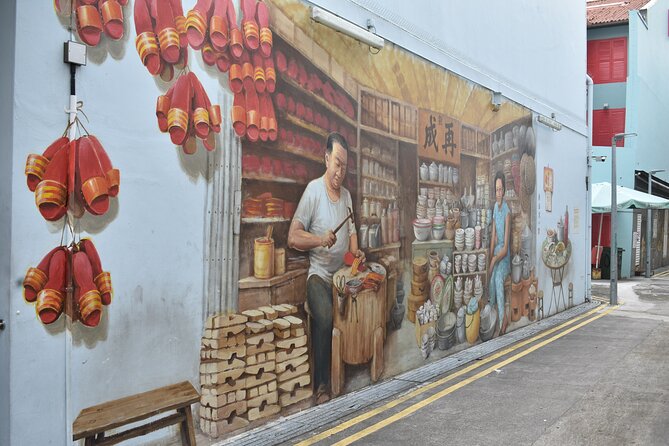
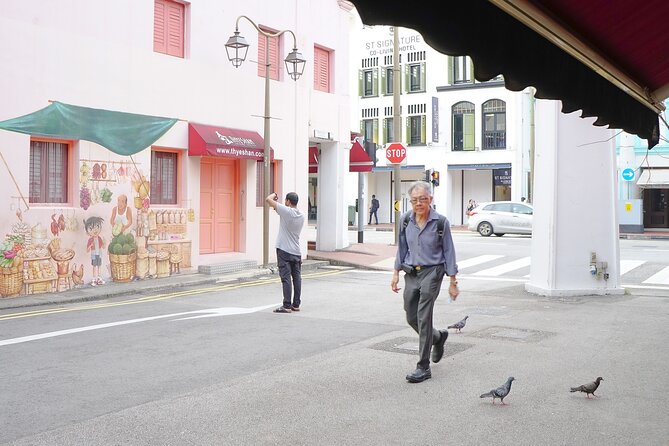
Chinatown’s charm isn’t only in the temples. It’s in the medium of everyday streets: shophouses, walls, and murals. The tour takes you through those facades and uses them as storyframes for what came before.
That’s a smart approach because murals and shophouse fronts are easy to overlook when you’re moving quickly. With a guide, you learn what to look for, which turns visual clutter into meaningful detail. You start noticing the layers of design, the sense of continuity, and the way the streets hold memory.
This section is also a good time to slow down a bit. In a short tour, it’s the difference between walking through Chinatown and actually feeling like you understand it.
Chinese tea session: the calm ending that makes the whole tour feel complete
The tour ends with a Chinese tea session, described as a mindful pause. That matters because walking Chinatown can be intense: bright signage, crowded sidewalks, and lots of visual noise.
Tea gives you a reset. You’re asked to slow down and savor aromas, which turns the last part of the tour from more “information gathering” into a sensory wrap-up. It’s also included, which is nice because it avoids the classic problem of tours ending with a suggestion and a bill.
If you enjoy tea culture, this is a great closing moment. If you don’t drink tea, you still get the structure of a calm finish, with coffee and/or tea included earlier on as well.
Price and value: is $62.08 a good deal here?
At $62.08 per person, this tour is not the cheapest walking option. But it’s also not priced like a full-day food crawl. The value comes from what’s bundled.
You’re paying for:
- an English-speaking guide
- meals (not just a single bite)
- coffee and/or tea
- a separate Chinese tea session
- a route that hits major religious landmarks and local-life stops like Chinatown Complex
- group size kept small, with a maximum of 8 travelers
So you’re not only buying walking time. You’re buying planning, pacing, and access to places and food you might not find quickly on your own.
One more reason it can be a good deal: the tour is around 2 hours. If you’re on a tight itinerary, you’re getting a high concentration of Chinatown context, plus food, without losing half a day.
If you want a specific time slot, book early. The tour averages about 183 days in advance, which suggests this itinerary fills up rather than dragging along.
Comfort, pace, and what to pack for a Chinatown morning
This experience aims to keep things comfortable and enjoyable, with a pace that can run slightly longer depending on the group. Past participants have appreciated the timing, especially when it helps avoid the worst crowd and heat levels.
My practical advice:
- Wear comfortable walking shoes. Chinatown’s sidewalks and stairways add up.
- Keep water with you if you tend to get thirsty on walks.
- Bring a phone or camera charged enough for temple exteriors and mural moments.
- If you’re picky about food ingredients, read carefully. The menu can’t be adjusted.
Also, note that admission is listed as free for the relevant stops on this route. That helps keep costs predictable, since you’re not constantly adding entry fees during the walk.
Who this tour suits best
This is a good fit if you want Chinatown to feel guided but not stiff. You’ll likely enjoy it if you:
- want food plus stories in one structured walk
- like short cultural context that helps you recognize what you’re seeing
- prefer a small group over being lost in a big crowd
- want a calm finish at the end, not just walking until you’re tired
It may be less ideal if you:
- need dietary swaps, since the food selections are fixed
- hate walking for about 2 to 2.5 hours, even with breaks and a relaxed pace
Should you book this Chinatown walking tour?
Yes, I’d book it if you want a smart way to experience Chinatown in limited time. For the money, you’re getting more than a route. You’re getting a guided sequence that starts with tasting, connects landmarks like Buddha Tooth Relic Temple and Sri Mariamman Temple to the neighborhood’s story, checks in on everyday life at Chinatown Complex, and then closes with an included Chinese tea session that helps you decompress.
If you have strict dietary needs, double-check the fixed menu reality first. And if you want total control over every bite, this tour is probably not for you. But if you want a well-paced plan that feeds you and teaches you how to look, this is a strong choice.
FAQ
Where does the tour start and end?
The tour starts at Chinatown MRT Station (DT19), near 91 Upper Cross St, Singapore 058362. It ends on Temple Street (Temple St, Singapore), with MRT stations nearby by walking.
How long is the Chinatown walking tour?
It runs for about 2 hours, but the time can stretch to around 2 to 2.5 hours depending on the group’s pace.
Is the tour guided in English?
Yes. The tour includes an English-speaking guide.
What food and drinks are included?
Meals are included, along with coffee and/or tea. The tour also includes a Chinese tea session at the end.
Can I change the food for dietary reasons?
No. The food selections on this tour are fixed and cannot be adjusted for individual preferences or dietary requirements.
Which sights do we visit?
The walk includes key Chinatown area highlights such as Buddha Tooth Relic Temple, Sri Mariamman Temple, Jamae Mosque, and Chinatown Complex, along with time for stories about shophouses and murals.
How big is the group?
The tour has a maximum of 8 travelers.
Do I need to print tickets?
No. This tour uses a mobile ticket.
What if the weather is bad?
This experience requires good weather. If it is canceled due to poor weather, you will be offered a different date or a full refund.
More Tours in Singapore


More Tour Reviews in Singapore
Still in Chinatown? Keep Going
Newest on the Singapore beat


Chinatown Singapore Walks, side by side.
 ★ 5.0Chinatown, Little India, Kampong Gelam City Highlights TourFrom $80224 reviews
 ★ 5.0Chinatown Hawker Market Food Tour with 7 Food TastingsFrom $146213 reviews
Chinatown, Little India, Arab Street Walking TourFrom $53207 reviews
★ 5.0Chinatown Hawker Market Food Tour with 7 Food TastingsFrom $146213 reviews
Chinatown, Little India, Arab Street Walking TourFrom $53207 reviews
 ★ 4.8Chinatown and Little India Guided Walking TourFrom $78190 reviews
 ★ 5.0Chinatown Historic Walking Tour with LunchFrom $54134 reviews
 ★ 5.0Chinatown Hawker Food Tasting TourFrom $8896 reviews
 ★ 4.5Kampong Glam, Little India & Chinatown with Local Street Food TastingsFrom $17770 reviews
 ★ 5.0Chinatown Heritage Centre (Admission Ticket)From $2065 reviews
Where this one also appears