
Reviewed · SINGAPORE FOOD TASTING TOURS
Pau Making Workshop With Dim Sum Tasting and Factory Tour
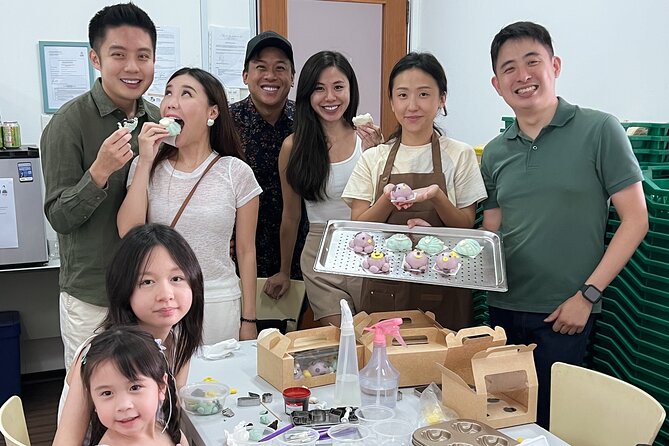
Paus are tiny, but the craft is serious. This hands-on pau pleating workshop in Singapore lets you shape your own bring-home paus, then ties it to the Muslim-friendly Chinese dim sum flavors you’ll recognize all around the city. You also get to eat a mini spread of their best sellers and walk through how the factory makes it happen.
I like that the session is both practical and cultural, not just a hands-on gimmick. You’ll do the pleating, then enjoy the dim sum tasting platter plus a mini tour that covers how paus and dim sums are produced and what compliance means in a real food operation. The one watch-out is that the Food Xchange @ Admiralty location can be a little tricky to spot from Google Maps, so plan a few extra minutes when you arrive.
Key things I’d prioritize before you go
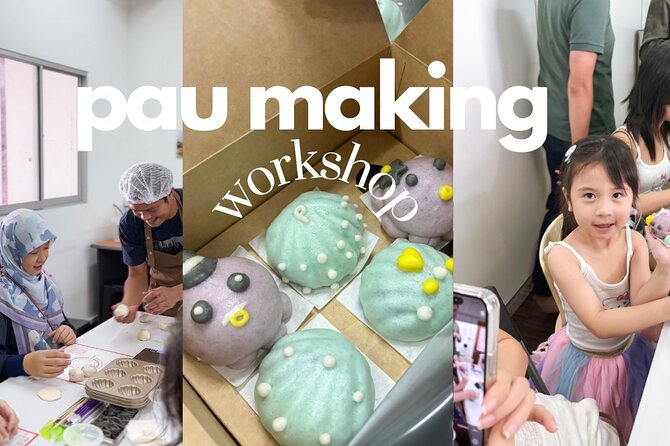
- Private workshop time with your group, so you can focus on pleating, not waiting your turn
- Take-home paus with packaging included, which makes the effort feel worth it even after the workshop ends
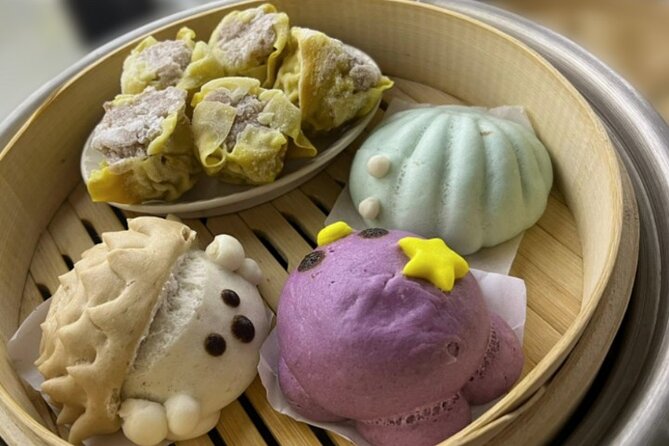
- Dim sum tasting platter (Siew Mai, Pau, Lor Mai Kai) so you can compare what you make versus what they sell
- Mini factory tour that connects the craft to real manufacturing steps and compliance needs
- Food waste awareness built into the visit through their partnerships and recycling approach
- Vegetarian option available if you request it at least 24 hours in advance
More hawker centres, more tastings
- Small Group: Michelin and Local Hawker Food Tour with 9 tastings★ 5.0 · 1,890 reviews
- Small Group: Singapore Street Food & Night Tour with 9 tastings★ 5.0 · 1,240 reviews
- The Award-Winning PRIVATE Food Tour: 10 Tastings of 3 Cultures★ 4.5 · 1,017 reviews
- Singapore: Chinese, Indian & Arabic Quarters, Culture & Food Tour★ 5.0 · 789 reviews
Pau making in Singapore, where Chinese dim sum meets halal food
Singapore’s food culture is built on mixing. This workshop is a good example: it focuses on Chinese-style dim sum craft, adapted for the Muslim community, and you’ll taste and build with that in mind. The result feels both familiar and new, especially if you normally think of paus as just something you buy and eat.
The main draw for me is the hands-on learning curve. Pleating dough sounds simple until you try it, and you’ll quickly see why small differences in folding affect the final look. You’re not just making a snack, you’re practicing a repeatable skill with a clear pay-off: you get your own paus to show off.
On the food side, the workshop is also practical. Instead of treating dim sum as a mystery box, you’ll learn how the brand frames its halal approach and why that matters for sourcing, handling, and standards. Even if you’re not a food-industry person, you’ll come away with a better sense of how Singapore keeps quality consistent at scale.
Finally, the tone is approachable. This is a workshop, not a lecture. You’ll have time to ask questions, and you’ll see the process behind what you usually get hot from a steamer.
The 2-hour workshop flow, from dough work to take-home paus
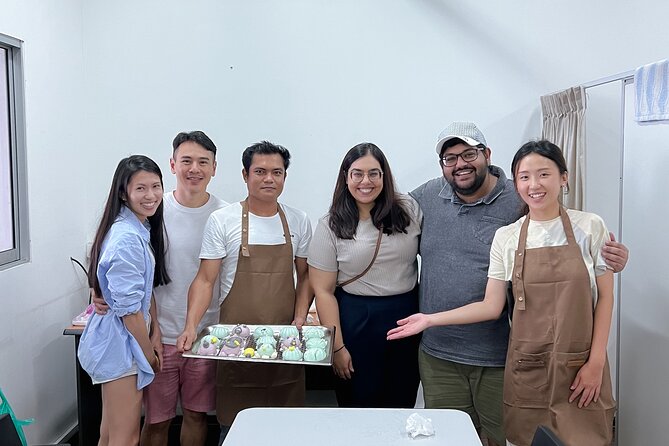
The experience runs about 2 hours, designed for a private group. That timing matters because pau dough work needs focus, but it also shouldn’t drag. You’ll get enough time to learn pleating, finish your batch, and still do tastings and the factory mini tour.
Here’s the flow you can expect in plain terms:
1) Pau-making equipment and ingredients
Once you’re at Nury Dian Xin, the workshop supplies pau baking equipment, pau ingredients, and even packaging. That packaging detail is more valuable than it sounds. When you leave with your own paus, you can actually store and share them without scrambling for takeaway boxes.
Other things to make with your hands in Singapore


2) Pleating your own paus
This is the core activity. You’ll practice pleating and shaping so you can make paus that look intentional, not accidental. The workshop is built around creativity, so you’re encouraged to think about how you fold and seal, not just replicate one exact shape.
3) Snacks dim sum platter while you learn
You’ll also eat a set platter of their snacks: Siew Mai, Pau, and Lor Mai Kai. This works as a “taste-to-skill” moment. You can compare the texture and flavor profile of what’s already made with what you’re learning to make.
4) Mini factory tour and food-industry context
Then you’ll get a short tour around the premise. The focus is not on big machinery spectacle. It’s on the real process steps for paus and dim sums, plus the compliance requirements that keep everything on standard for production. You’ll also hear about their partnerships aimed at combatting food waste.
For vegetarians, there’s a key note in the offering: contact them at least 24 hours before the workshop. That way, the instructors can prepare suitable items for you.
Nury Dian Xin’s mini factory tour, what you actually learn
A factory tour can go two ways. It’s either a quick look at stainless steel or a meaningful explanation of how food gets from raw to ready. This one aims for the second type.
You’ll get an overview of how paus are manufactured and how dim sum fits into the same production mindset. The tour also includes a discussion of compliance and accreditation requirements. That part is useful because it answers a common question: how do food businesses keep the same results across batches?
The workshop also connects manufacturing to food waste. Instead of ignoring the messy part of food operations, they explain their partnerships and recycling mindset to combat food waste. Even on a small scale, that gives you a sense of how a factory thinks beyond just selling.
If you’re a visual learner, this is the section you’ll appreciate most. Watching steps in a real food environment helps your brain “lock in” the reasons behind process. And since your hands are already busy making dough, the tour feels like it builds on your experience rather than interrupting it.
Practical tip: you’ll be at Nury Dian Xin Delight Pte. Ltd. at Food Xchange @ Admiralty, so expect an industrial, business park feel, not a cozy street market vibe. Wear what you’d wear for a short visit that could be a bit warm around food preparation areas.
The dim sum tasting platter, what to look for and how to eat it
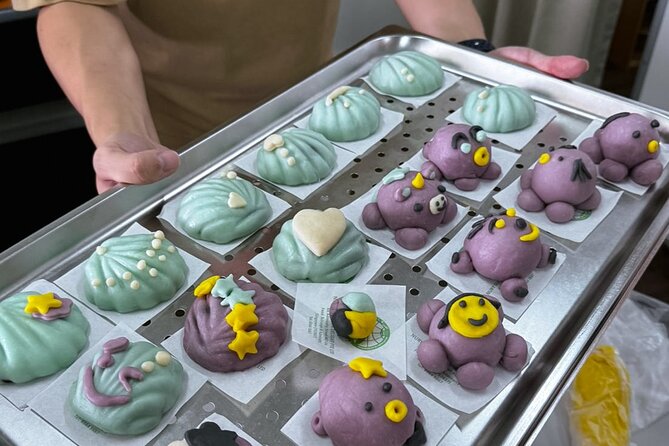
The tasting is not random. It’s built from their best selling items, which helps you understand their signature flavors and textures quickly.
You’ll taste:
- Siew Mai
- Pau
- Lor Mai Kai
Here’s how I’d approach it so you get more value than just eating.
First, start with the item closest to what you made, the Pau. Notice dough softness, sweetness level, and how filling and wrapping feel together. Then compare that to what you learned during pleating. If your folds are tighter, or your seam is cleaner, you’ll likely feel a difference in texture and finish.
Next, try Siew Mai. It’s a good comparison point because it’s shaped and portioned, not formed by pleating alone. Look for how the filling is seasoned and how the wrapper holds shape.
Then finish with Lor Mai Kai. It’s a different kind of experience, more about aroma and the balance of seasonings with the rice. This helps you understand the bigger flavor direction of the brand, not just the pau side.
Also, drinks are not included. So if you’re the type who likes water with tasting, you might plan to buy one nearby before or after the workshop.
Price and value, is $644.33 for a group actually fair?
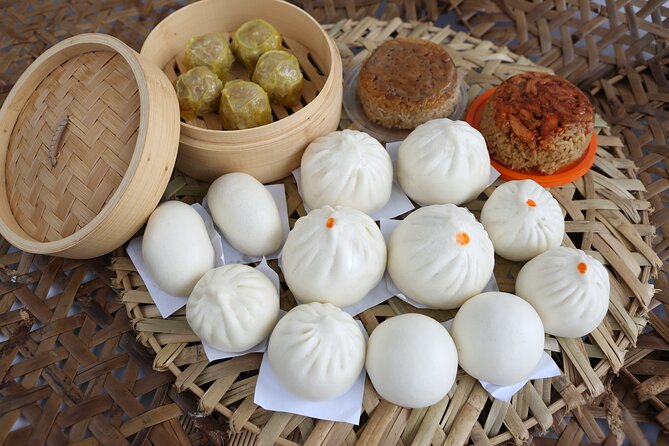
The price is $644.33 per group, for groups up to 15, and the session is about 2 hours. That sounds high if you think per person. But you need to think per group and per included components.
You’re paying for:
- A private workshop format
- Pau baking equipment
- A dim sum platter (Siew Mai, Pau, Lor Mai Kai)
- Pau ingredients and packaging
- A mini factory tour plus context about production and compliance
When the cost is grouped, it often works out well if you’re going with friends or family who want a shared activity. It also helps if you want the structure of a guided session rather than trying to learn from scratch elsewhere.
A small value detail: packaging is included. Lots of workshops forget that, and then you’re stuck improvising takeaway containers. Here, you can treat it like a real “make and take” experience.
For logistics, the meeting point is near public transportation, and the tour uses mobile tickets. Confirmation is received within 48 hours of booking, subject to availability, so you’re not stuck waiting until the last minute to plan the day.
Who should book this Singapore pau workshop with dim sum tasting
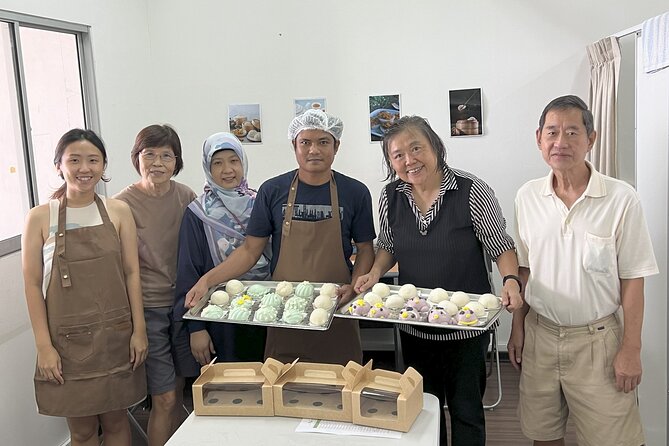
This is a great fit if you want an experience that mixes skill-building with food culture. It’s especially good for:
- Friends or families who like hands-on activities and want something you can’t do in your kitchen the same day
- Food lovers who enjoy understanding how standards and compliance work in real production, not just guessing
- People traveling in Northern Singapore who want a focused, short workshop without a full half-day schedule
It’s less ideal if you want a purely sightseeing tour. This isn’t a walking tour of monuments. It’s a food craft and factory visit.
Also, if you’re sensitive about timing, aim to arrive a bit early. The location can be hard to find at first, and once you’re there, parking is reported to be available near the lift lobby at the first floor. Giving yourself time reduces stress and lets you enjoy the start.
In the workshop environment, you’ll get instruction from the team. In past sessions, instructors such as Thu and Shi Min have been named, which is a nice sign that the teaching is personable and not overly scripted.
Should you book the Pau Making Workshop with Nury Dian Xin?
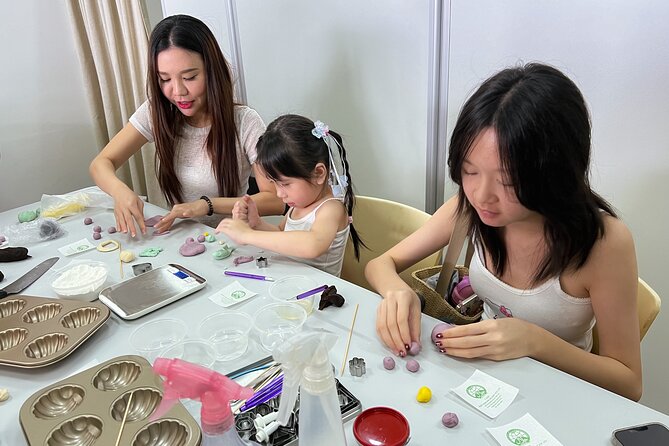
If you want a memorable Singapore food experience that’s more than just eating, I’d book this. The combination of pleating practice, a take-home result, and a mini factory tour makes it feel complete in two hours. It’s also strong value if you’re traveling as a group of up to 15.
Book it especially if you like activities where you leave with something tangible. Not just photos, but your own paus in packaging. And if you care about halal dim sum as part of Singapore’s food mix, this workshop gives you context you can actually use.
If you’re coming with vegetarians, message them at least 24 hours in advance so instructors can prepare suitable food.
FAQ
How long is the Pau Making Workshop with Dim Sum Tasting and Factory Tour?
The workshop is about 2 hours.
Is this a private group activity?
Yes. It is a private tour or activity, and only your group participates.
What group size is included in the price?
It is priced per group and supports up to 15 people per group.
What dim sum items are included in the tasting platter?
The included snacks platter lists Siew Mai, Pau, and Lor Mai Kai.
Are drinks included?
No. Drinks are not included.
Where do I meet for the workshop?
The start point is Nury Dian Xin Delight Pte. Ltd., 8A Admiralty St, #07-34 Food Xchange @ Admiralty, Singapore 757437.
Can vegetarians join?
Yes, but you need to contact them at least 24 hours prior to the workshop so instructors can prepare suitable food items.
Is free cancellation available?
Yes, you can cancel for a full refund if you cancel at least 24 hours in advance of the experience start time.
More Tours in Singapore




More Tour Reviews in Singapore

More Hawker Runs and Tasting Trails
Newest on the Singapore beat


Singapore Food Tasting Tours, side by side.
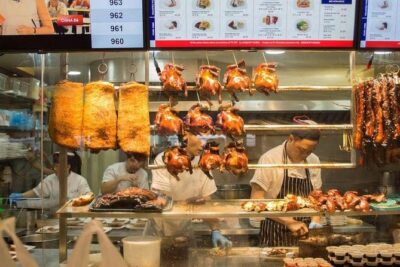 ★ 5.0Small Group: Michelin and Local Hawker Food Tour with 9 tastingsFrom $791,890 reviews
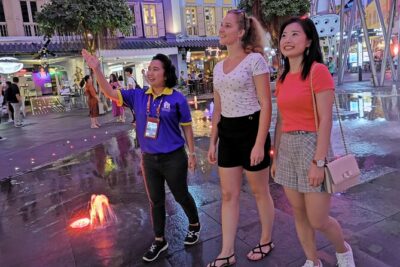 ★ 5.0Small Group: Singapore Street Food & Night Tour with 9 tastingsFrom $791,240 reviews
 ★ 4.5The Award-Winning PRIVATE Food Tour: 10 Tastings of 3 CulturesFrom $1521,017 reviews
 ★ 5.0Chinese, Indian & Arabic Quarters, Culture & Food TourFrom $148789 reviews
 ★ 5.0UNESCO Street Food & Cultural ExperienceFrom $161524 reviews
 ★ 5.0Singapore Market to Table Culinary Experience (Wet Market Tour included)From $112479 reviews
 ★ 5.0Small-Group Food Tour With Hawker Center: Eat Like A LocalFrom $161420 reviews
 ★ 5.0Singapore Private Food, Culture and Heritage Tour with 9 tastingsFrom $185394 reviews
Where this one also appears