
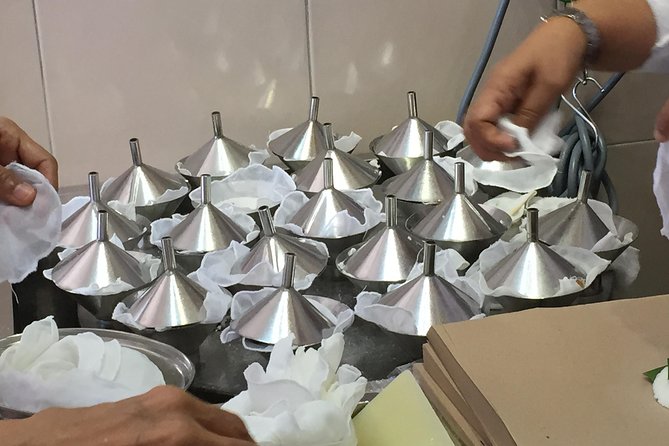
Reviewed · SINGAPORE FOOD TASTING TOURS
Ultimate Food Journey
Markets teach Singapore food fast. Ultimate Food Journey strings together hawker culture and a hands-on popiah class, all in a tight 3-hour walk with a maximum group size of five. I like that it is built for first-time visitors who want more than just eating, you also learn what you are seeing and why it matters.
My favorite part is how the guide turns stalls, snacks, and shopping streets into a simple story you can follow, from wet market ingredients to the snacks you sample like putu piring and kueh pie tees. One thing to plan around: it depends on good weather, and the time window is short, so you will not cover every corner of Singapore in one morning.
Key highlights
- Small-group size (max 5) keeps questions and hands-on time realistic
- Geylang Serai New Market sets the tone with a wet market vibe and everyday ingredients
- Katong-Joo Chiat area stops add a different flavor and feel to the morning
- Putu piring and kueh pie tees sampling gives you a balanced mix of sweet and savory
- Popiah making is the practical payoff, not just sightseeing with food
More hawker centres, more tastings
- Small Group: Michelin and Local Hawker Food Tour with 9 tastings★ 5.0 · 1,890 reviews
- Small Group: Singapore Street Food & Night Tour with 9 tastings★ 5.0 · 1,240 reviews
- The Award-Winning PRIVATE Food Tour: 10 Tastings of 3 Cultures★ 4.5 · 1,017 reviews
- Singapore: Chinese, Indian & Arabic Quarters, Culture & Food Tour★ 5.0 · 789 reviews
Street-to-stove Singapore food in 3 hours
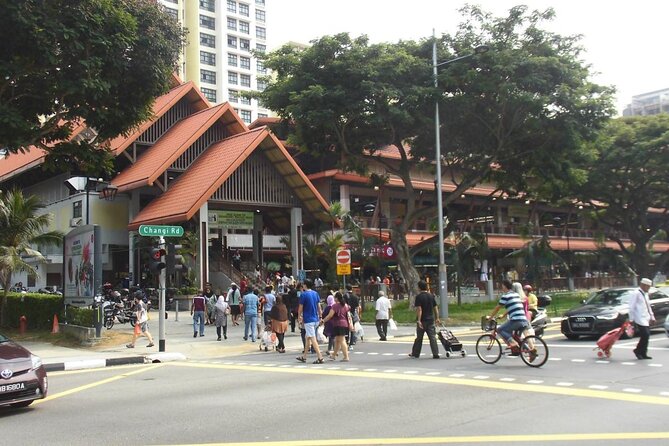
This tour is the kind of morning that helps you understand Singapore quickly. You start with the sights and smells of local markets, then move through hawker-style eating spaces where food is cooked fast and eaten even faster. The best part is that you do not just watch, you get involved in the food you come here for.
Expect a walkabout style route that focuses on how Singapore eats day to day. You’ll visit local markets and hawker centers, with time to sample multiple dishes rather than one big meal. At the end, you’ll make popiah yourself, which is a much better souvenir than a postcard.
The timing also works. At about three hours, it fits neatly into a trip schedule, especially if you are still sorting out which neighborhoods you like. The small group size is a real advantage here, because you can actually ask questions while you are standing in front of the food.
What the max group of five changes
A group capped at five sounds small on paper, but it changes the whole experience. With that size, your guide can slow down when people need clarification, and you are less likely to get herded along. It also means you are more likely to get real help during the cooking portion.
In the reviews, guides like Veronica, Kenneth, and Anthony are singled out for their clarity and the way they explain what you are looking at. Kenneth is noted for speaking English and Malay fluently, which matters when you want to ask about ingredients, terms, and cultural context. The common thread is practical teaching, not a lecture.
If you are the type who likes to understand how food works, not just taste it, this format rewards that. If you hate attention, or you want total quiet, a small group can feel like the opposite of that. But if you are curious, it is a good match.
Geylang Serai New Market: where flavors start (and questions follow)
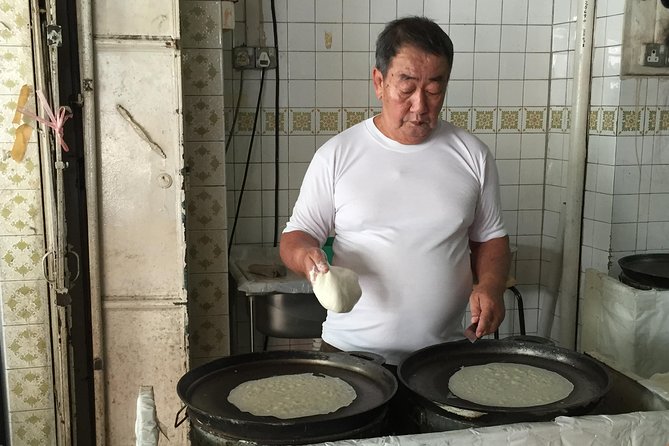
Your morning begins in Geylang Serai, at Geylang Serai New Market. This is a strong first stop because wet markets are where you see ingredients before they become dishes. You get to spot the raw materials, the packaging choices, and the way vendors set up for quick sales.
What I like about starting here is that it gives you a reference point. Instead of tasting everything as if it appears out of nowhere, you learn what goes into local cooking. Your guide also talks about eating customs as you go, so you get a sense for how people approach food in Singapore day to day.
This is also a “behind the scenes” kind of stop in the best way. One review mentions a look at popiah skin and curry puff making in the surrounding experience. Even if every detail is not exactly the same, you should expect to see food work happening, not just finished plates.
If you are someone who gets impatient in markets, keep this in mind. Markets take time, because there is a lot to notice. The payoff is that you leave with more than empty stomach joy, you leave with a mental map of ingredients and cooking basics.

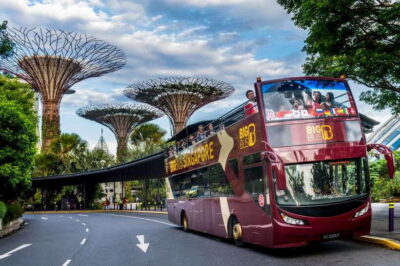
Katong-Joo Chiat stops: a different side of Singapore food
After Geylang Serai, you head toward Katong-Joo Chiat, and the route includes more than one stop in the area. That might sound like repeats, but in practice it gives you two angles on the same neighborhood vibe.
Katong-Joo Chiat is known for its food culture and for the way different communities shape what you see on the stalls and shopfronts. On this tour, the point is not architecture spotting for its own sake. It’s about food choices: what people buy, what looks like a staple, and how snacks and meals fit into daily life.
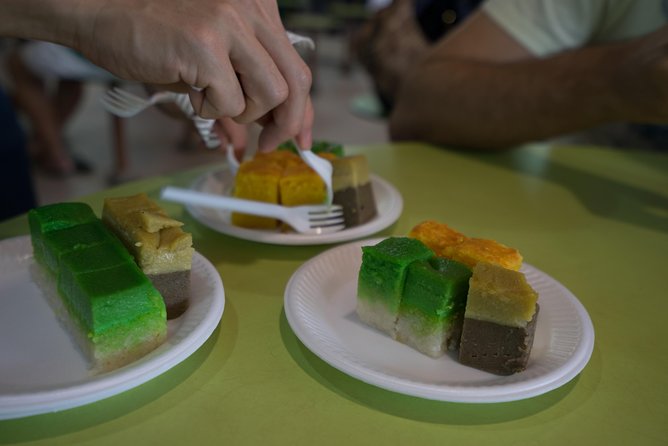
You also keep sampling. The dishes called out for the experience include putu piring and kueh pie tees, and you will build toward popiah as your cooking activity. With the route changing neighborhood feel between stops, you get a more complete sense of Singapore’s food personality in a short time.
Potential drawback here: if you prefer a wide scatter of destinations, two parts of one broader corridor can feel concentrated. But the trade-off is that it stays manageable for a three-hour walk, and you are not constantly resetting your attention.
Popiah making: your hands-on lesson (not just tasting)
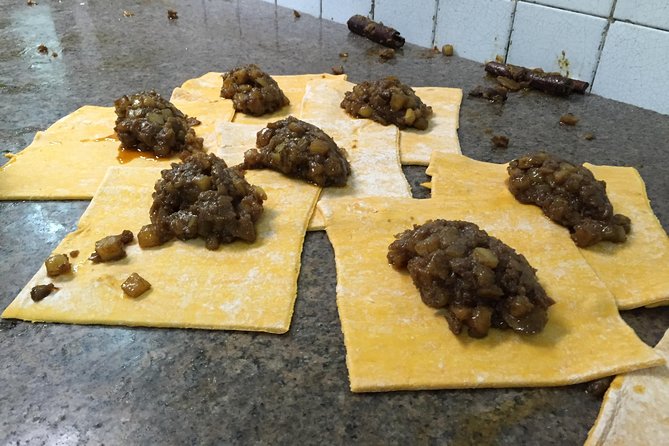
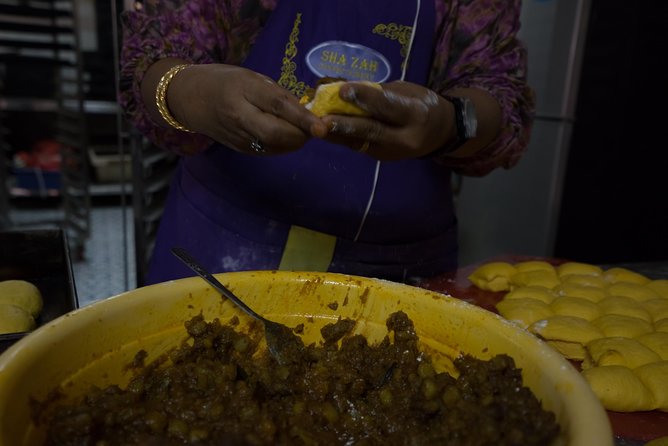
The big event is the popiah class. This is described as hands-on instruction for popiah, with the tour framed as watching and learning as you go. The “you will actually make it” part is the reason I think this tour is worth paying for.
When you make popiah, you learn the workflow in a way that tasting alone never can. You see how the components come together, how the filling relates to the wrapper, and how people treat the snack as something assembled and eaten fresh. That practical memory sticks.
In reviews, popiah making is repeatedly labeled as a favorite part. People also call out the history and the location as part of why it feels meaningful. That makes sense: your guide ties the recipe back to the food culture you have been walking through all morning.
If you are worried you will be slow in a kitchen, the small group helps. And since the tour is designed for most travelers to participate, it is not set up like a high-speed cooking class where only the confident shine.
One more practical thought: popiah is a hands-on food. If you dislike mess, bring a little patience, and plan to enjoy it anyway. This is food craft, not fine dining.
What you’ll eat and what it teaches
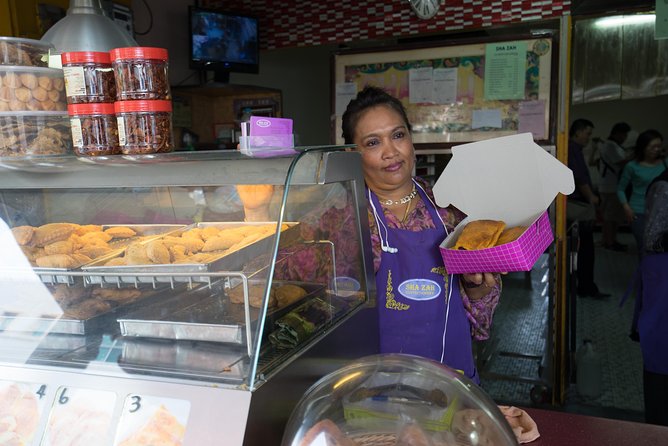
The experience is built around a mix of market snacks and hawker favorites, plus at least some cooking time. Here are the dishes specifically mentioned as part of the experience:
- Putu piring: a sweet rice flour snack that gives you a taste of local sweets and street snack texture
- Popiah: both the topic and the final hands-on dish you assemble
- Kueh pie tees: a savory tart that adds a crunchy, saucy bite to the meal rhythm
Why this mix matters: Singapore food is not one flavor style. In just three hours, you want both sweet and savory, plus something snack-sized that fits hawker culture. The tour’s menu choices do that job without turning the morning into a heavy sit-down meal.
You may also see and learn about other food prep steps during market time. One review notes behind-the-scenes curry puffs and popiah skin. Treat that as a “you might get more than expected” bonus, not a promise. But the intent is clear: the guide wants you to understand the building blocks.
Price and value: where the money actually goes
The listed price is $104.91 per person, with bookings made on average about 33 days in advance. For a three-hour experience, it can look pricey if you compare it to eating street food on your own.
Here’s where the value comes in. You are paying for:
- A guided route across markets and hawker-style spots, so you do not spend your limited time guessing what to try next
- Translation of what you see, including history and ingredient explanations from guides like Veronica, Kenneth, and Anthony
- Hands-on popiah making, which is the part most independent food trips skip
If your goal is simply to eat well, you can do that cheaply. If your goal is to learn how Singapore’s food culture works while still eating plenty, the price starts to feel more reasonable. The small group size also reduces the “crowd” factor, so you get more direct attention.
If you are traveling with friends, you can also compare this to splitting costs for a private guide. This is not a private guide, but max five is close enough that the teaching still feels personal.
Timing, walking pace, and comfort tips for a good morning
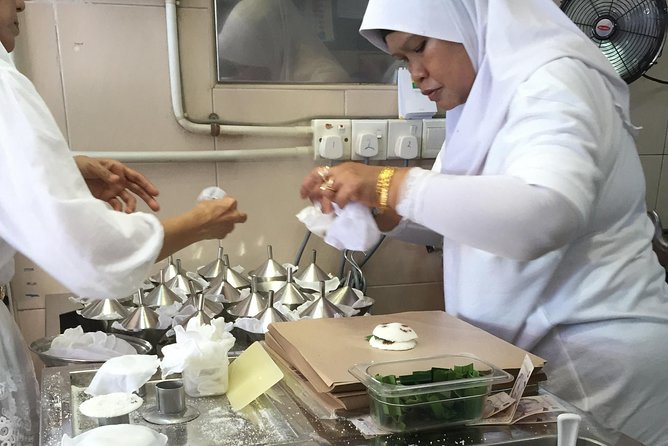
This tour starts at 9:00 am and ends back at the meeting point. That matters because market life often peaks in the morning hours. Starting early helps you catch the rhythm of vendors and shoppers before the heat rises and the crowds get less conversational.
The duration is about three hours. So think of it as a morning activity, not a half-day replacement. Plan your afternoon like you still want to move around the city, not like you need to recover from a full-day meal crawl.
Practical tip: wear shoes you can walk in without thinking. Markets and hawker areas involve uneven spots, quick stops, and standing while you look and taste. Also, go in hungry enough to enjoy sampling, but not so hungry that you feel stuffed during the cooking part.
Dietary stuff is not detailed in the tour info you provided. So if you have allergies or restrictions, I strongly suggest contacting the operator ahead of time. With a small group tour, your guide will likely be able to help, but only if they know your needs early.
Who should book Ultimate Food Journey
This is a great fit if you are:
- A first-time visitor who wants a guided food route that explains what you are eating
- A foodie who likes learning the story behind snacks, not just collecting bites
- Someone who wants a hands-on result, since popiah making is the centerpiece
It may be less ideal if you:
- Want a wide, city-spanning tour across many neighborhoods in one go
- Dislike walking and standing in market environments
- Have strict dietary requirements you want handled without any back-and-forth
Should you book it?
I think you should book Ultimate Food Journey if you want Singapore’s food culture in a compact format: markets, hawker-style tasting, and a popiah cooking lesson that gives you a real skill and a real memory.
Skip it if your top priority is sheer variety across the whole city. In three hours, the route is focused, and the concentration is part of the design. Also, because it needs good weather, pick a day you can be flexible if plans shift.
If you line up with what this tour is built for, it is one of the more efficient ways to leave Singapore with both full stomach satisfaction and better context for what you ate.
FAQ
How long is the Ultimate Food Journey tour in Singapore?
It runs for about 3 hours.
What is the group size?
The tour has a maximum group size of five travelers.
Where does the tour start and end?
It starts at Geylang Serai, Singapore and ends back at the meeting point.
What do we sample and what do we cook?
You’ll sample local dishes such as putu piring and kueh pie tees, and you will make your own popiah.
Where will we go during the tour?
You’ll visit Geylang Serai New Market and the Katong-Joo Chiat area, with more than one stop in Katong-Joo Chiat.
Is this tour ticketed by mobile ticket?
Yes, it includes a mobile ticket.
What happens if the weather is bad, or if I need to cancel?
The experience requires good weather. If it is canceled due to poor weather, you will be offered a different date or a full refund. You can also cancel for a full refund up to 24 hours before the experience’s start time.
More Tour Reviews in Singapore




More Hawker Runs and Tasting Trails
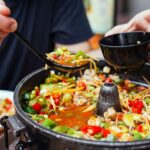

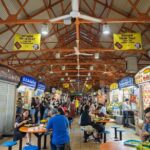
Newest on the Singapore beat


Singapore Food Tasting Tours, side by side.
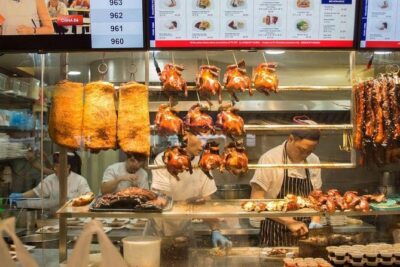 ★ 5.0Small Group: Michelin and Local Hawker Food Tour with 9 tastingsFrom $791,890 reviews
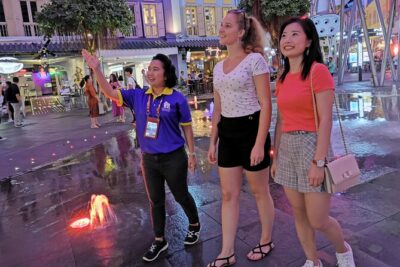 ★ 5.0Small Group: Singapore Street Food & Night Tour with 9 tastingsFrom $791,240 reviews
 ★ 4.5The Award-Winning PRIVATE Food Tour: 10 Tastings of 3 CulturesFrom $1521,017 reviews
 ★ 5.0Chinese, Indian & Arabic Quarters, Culture & Food TourFrom $148789 reviews
 ★ 5.0UNESCO Street Food & Cultural ExperienceFrom $161524 reviews
 ★ 5.0Singapore Market to Table Culinary Experience (Wet Market Tour included)From $112479 reviews
 ★ 5.0Small-Group Food Tour With Hawker Center: Eat Like A LocalFrom $161420 reviews
 ★ 5.0Singapore Private Food, Culture and Heritage Tour with 9 tastingsFrom $185394 reviews
Where this one also appears