
Reviewed · SINGAPORE FOOD TASTING TOURS
Singapore Street Food and Ethnic Quarters Kick Scooter Tour
Street food plus kick scooters is a smart combo. This tour threads together Singapore’s ethnic quarters with temple stops, photo-ready streets, and a 7-item vegetarian-friendly food lineup. You get to cover real ground in a short time, hitting multiple neighborhoods that would take far longer on foot.
I especially like the way it pairs cultural stops with actual eating, from a dosai cone to Hong Kong-style puddings and Indian sweets. I also like the small-group feel, capped at 15 travelers, which keeps the pacing smooth and the scooter ride manageable. One possible drawback is that it depends on good weather, and the scooter component may feel a bit wobbly at first for some people.
If you want a low-effort sit-and-stare tour, this isn’t it. You are riding a kick scooter, so you’ll need balance and comfort moving for about 3.5 hours, starting at 5:00 pm.
Key highlights you should clock before you go
- Kick scooter hopping across multiple districts in about 3.5 hours, starting in Little India at 5:00 pm
- 7 types of street food and drink, all vegetarian-friendly, including masala tea and a dosai cone
- Temple-and-heritage stops with free admission at most locations, so your money goes to food and time
- One iconic eating stop, Komala Vilas, home of the world-famous dosai cone
- A night-out vibe in Kampong Glam and Haji Lane, with street atmosphere as part of the experience
More hawker centres, more tastings
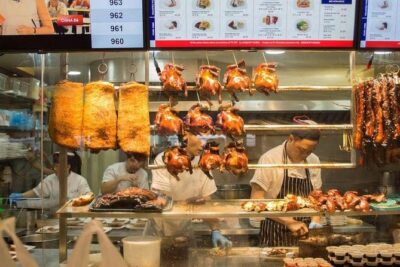
- Small Group: Michelin and Local Hawker Food Tour with 9 tastings★ 5.0 · 1,890 reviews
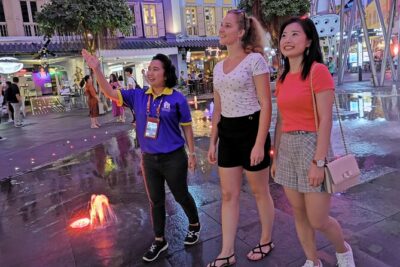
- Small Group: Singapore Street Food & Night Tour with 9 tastings★ 5.0 · 1,240 reviews
- The Award-Winning PRIVATE Food Tour: 10 Tastings of 3 Cultures★ 4.5 · 1,017 reviews
- Singapore: Chinese, Indian & Arabic Quarters, Culture & Food Tour★ 5.0 · 789 reviews
How the kick scooter route works (and who it suits)
This is a 3 hours 30 minutes tour that runs in the afternoon into the evening, starting at 5:00 pm. You’ll meet in Little India and end at 73 Dunlop St, Singapore 209401, near several MRT lines, including Rochor, Jalan Besar, Bugis, and Little India.
The big idea is simple: you cover distance quickly on a kick scooter, then slow down for short cultural stops and longer food breaks. The group is kept small, with a maximum of 15 travelers, so you are not stuck waiting for a big crowd to move.
You’ll also want to know the practical limits. Children aged 7 or below are not allowed, and people over 100 kg are not allowed. And because the tour needs good weather, plan for an operator swap or a refund if rain hits.
Little India: Tan Teng Niah, Kali’s temple, and a dosai cone moment
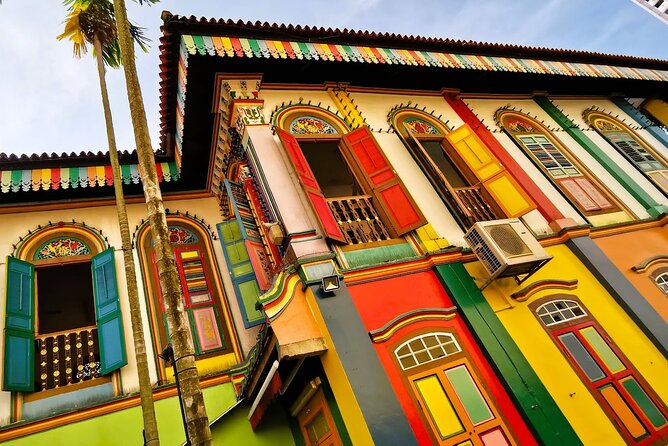
Your tour kicks off in Little India, where you start with a beautifully preserved slice of history. The House of Tan Teng Niah is an iconic, brightly painted villa built by a Chinese merchant for his wife in 1900, and it is noted as the only Chinese villa left standing in Little India today. It is a short stop, but it gives you something real to look at before you head deeper into the district.
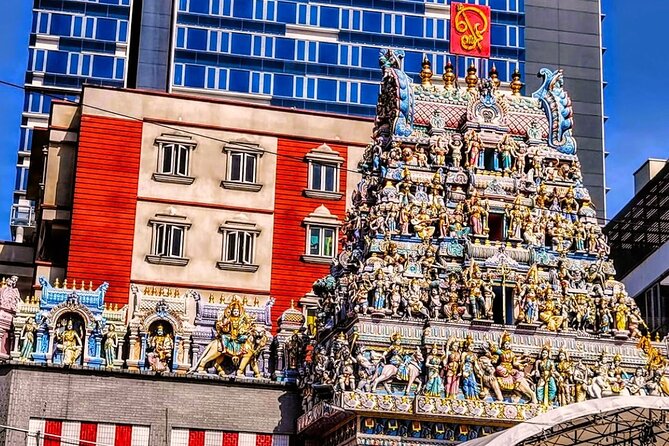
Next comes Sri Veeramakaliamman Temple, dedicated to Goddess Kali and established in 1855. Admission is free here, and the stop is about 10 minutes. This is a good time to slow down and take in how active the religious life looks, even during a scooter-and-tasting schedule.
Then you reach the meal that people talk about. At Komala Vilas Restaurant, you go for the famous dosai cone and get a sit-down tasting experience that lasts about 40 minutes. Admission is included for this stop, and this is where the tour’s “taste plus culture” balance really turns into food focus.
If you are trying to decide what kind of traveler you are, this is a tell. If you like iconic food you can photograph and eat, this stop is the payoff. If you’d rather have several smaller bites than one big signature item, it may feel like a lot at once, though the overall plan does spread tastings out afterward.
Campbell Lane trades: quick street flavor without the long detour
After the temples and before the next shift in atmosphere, you pass through Campbell Lane. The point here is to see the traditional trades, like sweetmeat stores and flower shops. The stop is brief, about 10 minutes, and admission is free.
This is the kind of stop that works best when you stay curious instead of rushing for photos only. Even if your time in Little India is short, Campbell Lane helps you understand that this neighborhood isn’t just a backdrop, it’s a working street economy.
A few more Singapore bookings in the same corner of the island


Selegie and the echoes of Old Jewish and Little Japan areas
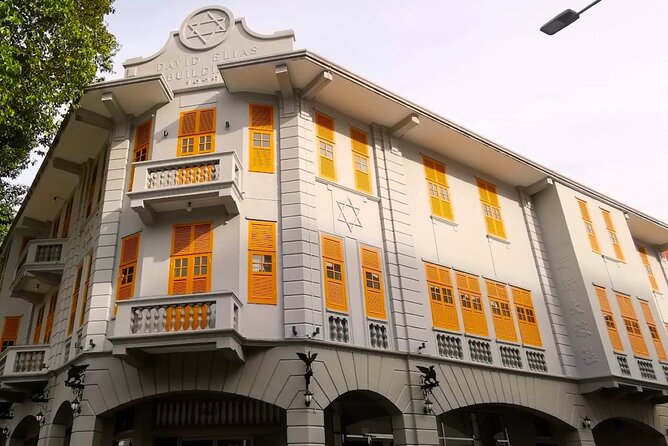
One of the more interesting aspects of the route is that it acknowledges older city layers. From Selegie, you ride by remnants tied to what used to be the Old Jewish Quarter and Little Japan. The stop is about 10 minutes, mostly a “look and think” moment, plus some quick context as you move.
This part matters because Singapore can feel brand-new if you only stick to the headline attractions. These stops remind you the neighborhoods shifted over time, and that the city has held multiple communities in different eras. It also explains why the tour mixes religion sites, shopping streets, and food in the same evening.
If you prefer only major landmarks, this might feel like a shorter educational pause. But if you enjoy city storytelling, you’ll likely appreciate it.
Two Hindu temples and a Mercy temple stop that goes beyond sightseeing
After the Selegie segment, the tour keeps rolling through more Hindu and Buddhist-related spiritual spaces.
- Sri Krishnan Temple, dedicated to Lord Vishnu and built in 1870, is only a couple minutes on your schedule, with free admission.
- Then Kuan Yin Thong Hood Cho Temple, dedicated to the Goddess of Mercy and built in 1884, is another short stop, also free. This temple is described as famous for fortune-telling accuracy, and it is one of the busy temples in Singapore.
Even with the short timings, this sequence works because it shows different expressions of faith in close proximity. You are not just passing buildings, you are seeing how worship and community life are organized across temples.
One thing to consider: if you are sensitive to crowds and activity levels inside religious spaces, you may want to keep your expectations realistic. These are not quiet museum halls, they are active places, and that is part of the authenticity.
Albert Mall, Today’s Chinatown: the hawker centre taste stop
Albert Mall is framed as Today’s Chinatown, and it is where your food schedule gets serious again. You spend 30 minutes here at a popular hawker centre, with the tasting portion included.
This is the stop that covers several of the core vegetarian-friendly street-food hits. Expect dishes like:
- popiah (Chinese spring roll), freshly made
- chwee kway, steamed rice pudding topped with radish and sambal
- muah chee, glutinous rice morsels coated with nuts and sugar
- bubur pulut hitam, black glutinous rice with coconut cream dessert
- plus masala tea as the drink element
This is a strong mix because it gives you sweet and savory in the same session, and it spans textures. You’ll go from crisp and savory with popiah to chewy and sweet with muah chee, then finish with a comforting, coconut-rich dessert.
The only drawback is the normal one: hawker food means things move fast and choices can be busy if you want extra questions. Stay flexible and let your guide steer you, especially since the tour is designed around a set tasting sequence.
Bugis Street and Bugis Junction: from former red-light days to shopping streets
After Albert Mall, you head toward Bugis Street, which is described as a former red-light district now turned into a lively marketplace. It’s a short 5 minute stop, with free admission.
Then you make time for Bugis Junction and the streets where Japanese-owned businesses used to exist before World War II. The tour mentions categories like brothels and photography studios when describing that history, so this part leans on the reality of what used to be there rather than pretending the past was tidy. The stop is about 5 minutes.
This segment works well if you like Singapore’s layers. You get a reminder that city districts change function over time, and today’s streets can hold tomorrow’s stories in their streetscape.
Old European Town stops: St Joseph’s Church, Chijmes, and Raffles Arcade
A big shift happens as the tour steps into Old European Town vibes. You stop at St Joseph’s Church, established by the Portuguese mission in 1853. It’s described as one of the most stunning Catholic churches in Singapore, and also as the oldest Catholic church in Singapore. This one is a quick 2 minute look, free admission.
Next is Chijmes, which used to be a Catholic girls’ school and orphanage. Now it is an entertainment and lifestyle destination with food and drink options. You spend about 10 minutes here.
Then comes Raffles Hotel Arcade, about 20 minutes. The tour highlights it as the birthplace of the Singapore Sling cocktail and a place that once hosted celebrities like Charlie Chaplin, Elizabeth Taylor, and Michael Jackson.
If you’re the type of traveler who worries about “tourist zones,” I’d treat these stops as context, not a full day of museums. The point is to contrast the ethnic food and temples with a different style of Singapore, tied to colonial-era landmarks and famous leisure history.
Haji Lane and Kampong Glam energy, ending with a Malay fritter
The late part of the tour leans into the human, street-level feel of the city. You head to Haji Lane, described as one of the liveliest nightspots, with about 10 minutes here.
Then you visit Sultan Mosque, originally built in 1824 and named after Sultan Hussein Shah, who signed a treaty with Sir Stamford Raffles on 6 February 1819 to allow the British trading post to begin. This stop is about 5 minutes and free.
From there, you end the route through Bussorah Street, described as pedestrianised, lined with royal palms and filled with halal restaurants and perfume shops. It’s a short 2 minute stop with free admission.
And here’s the food payoff tied to the overview: at Kampong Glam, you try pisang goreng, Malay-style banana fritters. This gives you one final street-food bite that fits the Malay quarter mood, and it’s a nice close to the vegetarian tasting arc.
If you are a slow eater, you might wish you had more time at the street-food moments. But the route is designed to keep you moving and sampling across cultures, so expect it to feel like a guided tasting tour, not a long stand-around food crawl.
What makes this tour good value at $55.43
At $55.43 per person, you’re paying for more than a single attraction. You’re paying for:
- time-efficient scooter coverage across multiple districts
- access to cultural stops with free admission at most places
- 7 vegetarian-friendly types of street food and drink
- and a guide who keeps the order of stops logical
The value is strongest if you want variety without planning. Instead of figuring out which hawker centre serves what, and how to fit it between neighborhoods, this tour bundles the thinking for you.
Also, the small group limit of 15 travelers matters for value. Less time waiting means you spend more time eating and seeing, instead of just watching the line.
The one tradeoff is that you do not get long, slow museum-style time at each location. Many stops are 2 to 10 minutes, so you’ll want to enjoy quick context and then focus on food.
A practical way to do well on this tour
Go in with an empty stomach, but also with a plan for comfort. Bring an appetite for sweet and savory, because the food set includes dessert items and spicy components like sambal on chwee kway. The tour is vegetarian-friendly, but flavors can still be bold.
On the scooter side, be honest about your balance. One of the best pieces of real advice here is to expect a learning curve. Even if you’ve ridden a bicycle or scooter before, the first few minutes can feel wobbly until you settle.
Finally, use your guide. A guide named Ms Ping gets specific praise for taking care of guests until the end and for keeping food needs sorted. If you have any preferences within vegetarian options, it helps to communicate them early and keep expectations clear.
Should you book this Singapore kick scooter street-food tour?
Book it if you want a fast, organized evening that mixes Singapore’s ethnic quarters with a real food tasting plan. It’s a good choice for first-timers who want the big neighborhoods in one go, and for food lovers who enjoy variety across Indian, Chinese, Malay, and mixed cultural settings.
Skip it if you hate the idea of riding a scooter for hours, if you fall outside the age and weight rules, or if weather worries you. Since the tour requires good weather, plan flexibility.
If you want Singapore that feels lived-in, not just postcard-perfect, this one is a strong bet.
FAQ
What is the duration and start time of the tour?
The tour runs for about 3 hours 30 minutes and starts at 5:00 pm.
How many food and drink items are included?
You’ll try 7 types of street food and drink, and they are vegetarian-friendly.
Is admission included for temples and heritage stops?
Most listed stops have free admission. The dosai cone stop at Komala Vilas Restaurant includes an admission ticket.
Where does the tour start and end?
It starts in Little India, Singapore, and ends at 73 Dunlop St, Singapore 209401.
Is the ticket mobile?
Yes, the tour uses a mobile ticket.
What are the age and weight limits?
Children aged 7 years or below are not allowed. People who weigh more than 100 kg are not allowed.
What happens if the weather is poor?
The tour requires good weather. If it’s canceled due to poor weather, you’ll be offered a different date or a full refund.
More Tours in Singapore


More Tour Reviews in Singapore
More Hawker Runs and Tasting Trails


Newest on the Singapore beat


Singapore Food Tasting Tours, side by side.
 ★ 5.0Small Group: Michelin and Local Hawker Food Tour with 9 tastingsFrom $791,890 reviews
 ★ 5.0Small Group: Singapore Street Food & Night Tour with 9 tastingsFrom $791,240 reviews
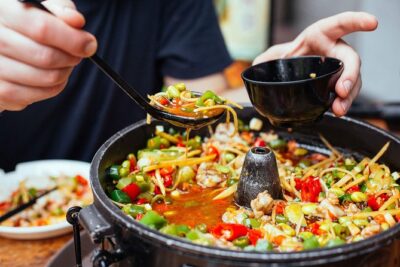 ★ 4.5The Award-Winning PRIVATE Food Tour: 10 Tastings of 3 CulturesFrom $1521,017 reviews
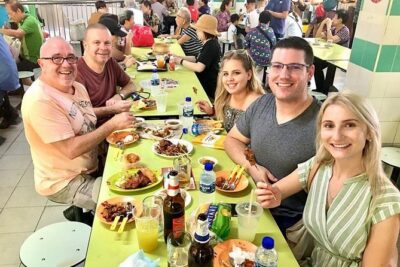 ★ 5.0Chinese, Indian & Arabic Quarters, Culture & Food TourFrom $148789 reviews
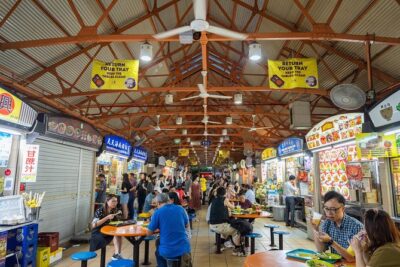 ★ 5.0UNESCO Street Food & Cultural ExperienceFrom $161524 reviews
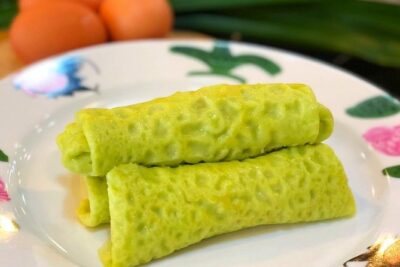 ★ 5.0Singapore Market to Table Culinary Experience (Wet Market Tour included)From $112479 reviews
 ★ 5.0Small-Group Food Tour With Hawker Center: Eat Like A LocalFrom $161420 reviews
 ★ 5.0Singapore Private Food, Culture and Heritage Tour with 9 tastingsFrom $185394 reviews
Where this one also appears