
Reviewed · SINGAPORE FOOD TASTING TOURS
Kopi & Loti
Coffee and bread, made in real time. This Kopi & Loti experience takes you behind the scenes at a bread factory and a coffee roastery, then pairs those factory walks with real tastings and cultural context, not just a stroll. I especially like the up close access to how things get made, and the fact you finish with hands on flavor, from kopi O to traditional loti.
The one thing to keep in mind is that this is a short, focused 3 hour run through two sites, so you should expect samples, not a long sit down meal or a full food crawl with lots of extra stops.
Key takeaways before you go
- Bedok coffee roastery + kopi O tasting keeps the focus on Singapore’s kopi trade and roasting basics
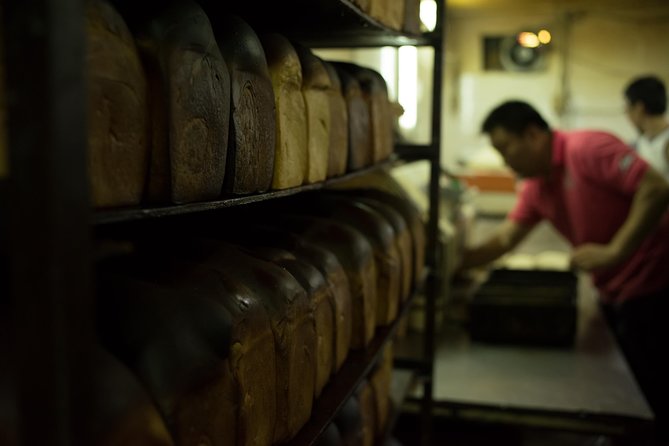
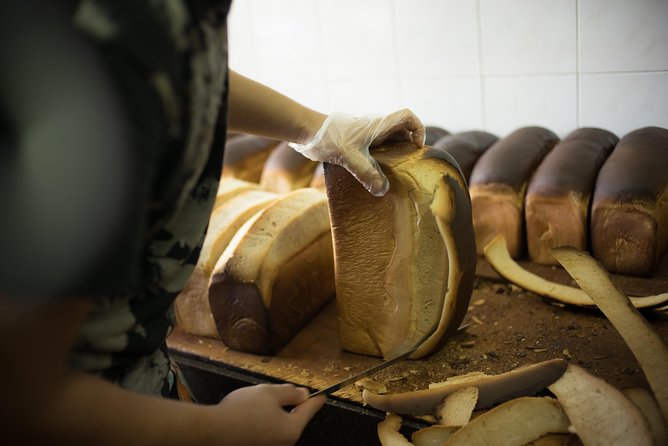
- Paya Lebar bread factory shows old school equipment, including wood boards and vintage style tools
- A private tour for your group means less waiting around and more chance to ask questions
- Mobile ticket makes day of entry easier, with confirmation handled at booking
- Short duration, tight schedule suits visitors who want real food history without a half day commitment
- Weather and minimum group size rules can affect your exact date, but you get date changes or refunds
More hawker centres, more tastings
- Small Group: Michelin and Local Hawker Food Tour with 9 tastings★ 5.0 · 1,890 reviews
- Small Group: Singapore Street Food & Night Tour with 9 tastings★ 5.0 · 1,240 reviews
- The Award-Winning PRIVATE Food Tour: 10 Tastings of 3 Cultures★ 4.5 · 1,017 reviews
- Singapore: Chinese, Indian & Arabic Quarters, Culture & Food Tour★ 5.0 · 789 reviews
Two working food stops in Singapore, not a staged souvenir run
Singapore can feel like it runs on schedules. This tour feels like it runs on ingredients, heat, and craft. You are not just walking past businesses, you are being taken into the rhythm of two places that still do things the traditional way: a coffee roastery and a bread factory. The theme is simple, kopi means coffee and loti means bread. The result is a morning you can connect to how everyday Singaporeans actually eat and drink.
What makes it especially appealing is that you learn what you are tasting. You will hear how coffee beans get roasted and how coffee gets brewed, then you shift gears to bread production and how older methods can look and taste different from mass produced loaves. It is a small format tour with a clear payoff: two trades, two tasting moments, and a guide who helps you connect them to Singapore’s culture.
Where the tour starts and how the 3 hour pace works
The tour begins at 69 Pagoda St, Singapore 059228, with a start time of 9:00 am. Your end point is Tai Seng MRT Station (CC11) at 33 Upper Paya Lebar Rd, Singapore 534803.
The total duration is about 3 hours, broken into:
- Stop 1 in Bedok for about 45 minutes
- Stop 2 in Paya Lebar for about 1 hour
- The rest is travel time, orientation, and moving between tastings and explanations
The tour uses a mobile ticket, and you should receive confirmation at booking. Also note the structure of the day: the bakery is the last stop of the tour. If you happen to be on the route that continues beyond this, the walk can extend to a Paper House stop and then end back in Chinatown. That flexibility can be useful if you are trying to stitch this into a broader day.
One practical tip: with a 9:00 am start, arrive a bit early. This sort of trade tour works best when you are not rushing at the meeting point, especially if your guide wants to get everyone grouped and ready before entering working spaces.
Stop 1, Bedok coffee roasting factory and your kopi O sampling
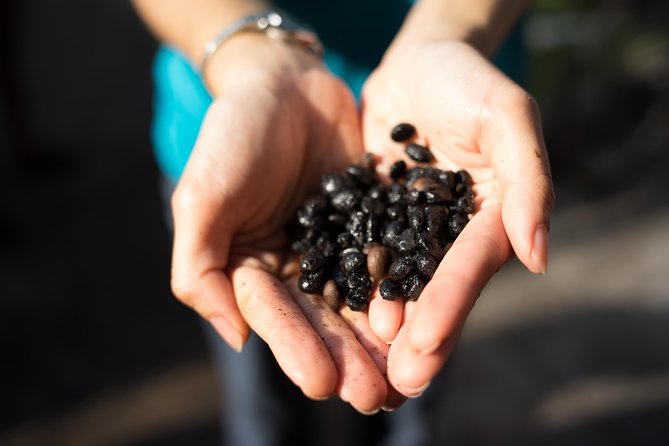
The first stop is in Bedok, at a coffee roasting factory. This is where the tour earns its name in a real way. You get an explanation of the local kopi industry and the tricks of the trade, then you see roasting techniques in action.
You are also tasting fairly early in the experience. The tour includes sampling kopi ‘O’, described as black coffee. That matters because it gives you a reference point before you move on to bread. If you like coffee, this is a quick chance to connect what you learn about roasting to what you taste in your cup.
Why Bedok works as a starting point: coffee roasting is part science, part craft, and part routine. Even without getting technical, you can usually pick up what changes when beans are roasted differently. You might notice how the roast affects smell and bitterness, and how black coffee can taste both strong and clean when it is made the traditional way.
The tour allocates 45 minutes here. That is enough time for a guided walk and a tasting, without dragging on. If you are hoping for a long coffee seminar, this is not that. But if you want clarity on what kopi is and how it is handled locally, it is a solid introduction.
Stop 2, Paya Lebar bread factory with old equipment still in use
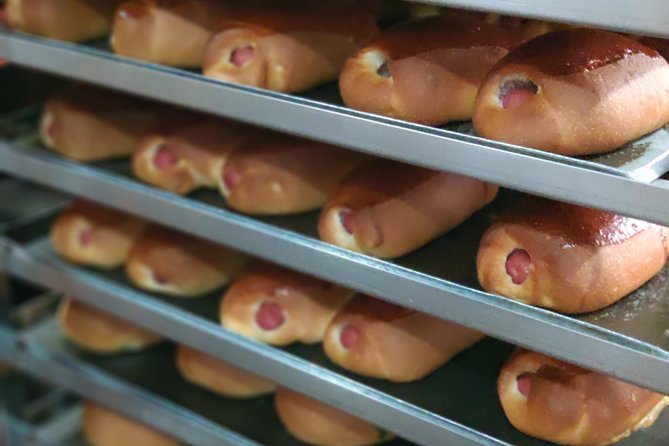
Next comes Paya Lebar, and the tone shifts from heat and beans to dough and bread. The bread factory visit is described as visiting one of the remaining traditional operations, and the tour emphasizes why these places are different from the mass produced bread you see on supermarket shelves.
This stop is about 1 hour. It is also the most visually nostalgic part of the day, based on what the tour is set up to show you: older machinery, older working styles, and even wooden boards used in the process. If you like seeing practical craft tools, this is where you will likely feel the biggest difference between traditional baking and modern factory production.
A nice feature here is that the guide is not only showing you objects. They are explaining what makes the methods different. That gives you something useful to carry into everyday life. For example, you might start thinking differently about texture and flavor, not just how bread looks. You can also compare your memory of typical packaged bread to what you taste at the bakery, and notice how the experience of bread changes when the production process is closer to the artisan end.
This is also the tour’s “why it matters” moment. Traditional bakeries tend to survive by keeping a workflow that makes sense for their customers. Seeing the equipment and layout helps you understand that it is not nostalgia for its own sake. It is a way of working that affects the final product.
What you actually taste, and what to pay attention to
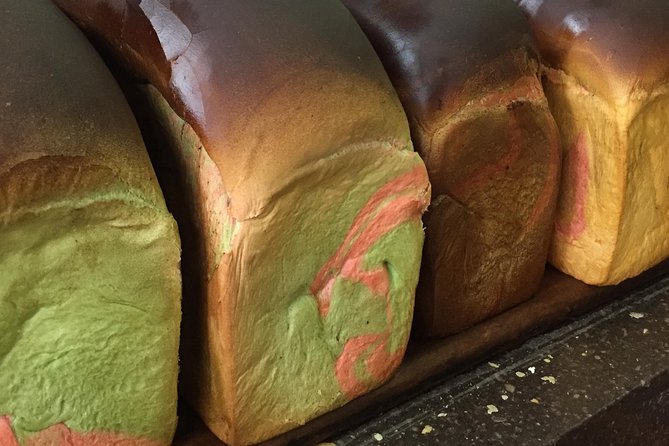
The experience includes tastings of:
- Coffee, including kopi O (black coffee)
- Bread, described as authentic Singaporean bread
You are not promised a huge buffet of food. Instead, you get targeted tastings tied directly to what the guide is explaining. I like that approach because you do not leave with random samples. You leave with a mental model, beans to roasting, roasting to brewing, dough to baking, baking to bread.
When you taste the coffee, pay attention to three quick things:
- Smell first, before you judge the flavor
- How strong it feels without milk or sweetness
- Whether you notice any change between what you learned about roasting and what ends up in the cup
When you taste the bread, focus on texture and structure. Traditional bread tends to show its character in small details, like how it tears and how it holds up. If you like simple flavors done carefully, you will probably enjoy this more than you expect.
Also, the tour includes a cultural layer. The guide is there to connect the trades to Singapore life, so you get context for why these foods show up the way they do.
Your guide experience, and why the stories stick
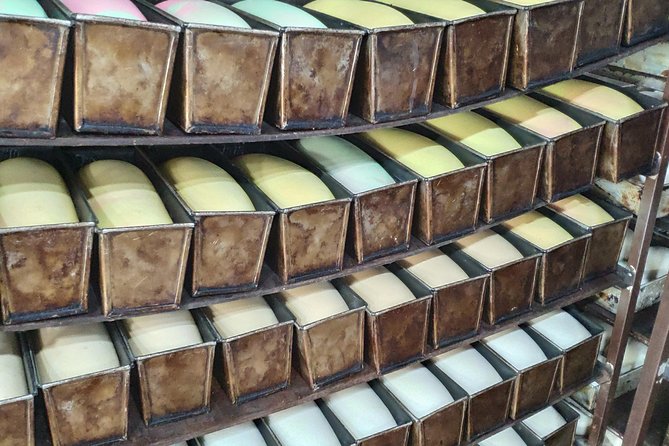
One of the best parts of this kind of tour is the person leading it. The tone on this tour is described as engaging, with guides sharing anecdotes without turning it into a lecture.
Depending on your date, you may be guided by someone like Kenneth, Andros, Boon, or Helen. A common thread is clear explanations plus a light touch. Some guides add humor and keep it moving. You might even get a coffee lingo quiz as part of the fun, which is a surprisingly effective way to remember what you just learned about kopi terms.
This matters for value. A trade tour can turn dry fast if the guide only reads facts. Here, the better guides use stories to make the details easier to hold onto. That is especially useful when you are learning about two different production worlds in one morning. With the right pacing, you walk away with the sense that you understood both places, not just visited them.
Price and value for $88.60 per person
At $88.60 per person, this is not a budget snack stop. The upside is what you are paying for: access to two working food trades plus guided explanations plus tastings.
Here is how I think about the value:
- You are paying for time with a guide who connects what you see to what you taste
- You are also paying for entry and behind the scenes access to places you might not find on your own
- The tour is short, about 3 hours, which helps if you want a focused activity without losing your whole day
The tour also notes free admission ticket for both stops. That is a helpful detail because it suggests the price is mainly covering the guided experience and access.
If you compare it to generic food walks that mostly involve street sampling, this one gives you two “process” stops. Roasting and bread production are less common to experience firsthand, and that is usually where the real learning happens.
Logistics that affect your day, not just the fine print
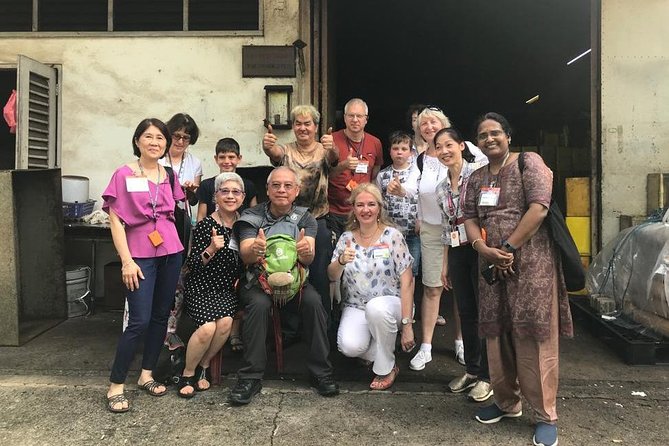
This is described as a private tour/activity, meaning only your group participates. That alone can make the experience feel smoother, especially if you have questions or you want your guide to tailor explanations to your interests.
Two other practical notes:
- The experience requires good weather. If it is canceled due to poor weather, you should be offered a different date or a full refund.
- There is also a minimum number of travelers. If it does not meet the minimum, the tour can be rescheduled or refunded.
Also, it is commonly booked about 12 days in advance on average. For a smooth plan, I would not wait until the last moment, especially if you are traveling at peak periods.
Who this Kopi & Loti tour fits best
This tour fits best if you:
- Want a food experience with real process, not just eating
- Like learning about local trades and seeing how traditional methods still work
- Prefer a morning activity that takes about 3 hours and does not sprawl into the evening
It is also described as most travelers can participate, which makes it a decent option for mixed groups. If you are traveling with someone who likes coffee but also wants a cultural angle, the bread factory stop keeps the experience from becoming too one note.
If you are the type who hates schedules and wants lots of free time to wander, this may feel a bit structured. But if you like an itinerary that stays focused and teaches you something concrete, the pacing can be a plus.
Should you book Kopi & Loti with Tribe Tours?
If your goal is to understand Singapore through its daily foods, I think this is a strong pick. You get a coffee roasting factory in Bedok, a bread factory in Paya Lebar, and tastings that match the lessons you are hearing. The private group setup, plus guides who can explain with humor and clear pacing, makes the experience feel personal even in a short time window.
I would skip it or consider alternatives if:
- You are looking for a long, multi neighborhood tasting crawl
- You want a full meal rather than samples
- You are traveling with heavy timing constraints and do not want any weather or minimum group risks
If you do book, plan to show up a little early at 69 Pagoda St for the 9:00 am start, and come with an open mind about traditional methods. Singapore’s food culture can be modern on the outside, but the trades behind it still carry a lot of character, and this tour is built to help you notice it.
FAQ
How long is the Kopi & Loti tour?
It runs for about 3 hours total. The first stop at the coffee roasting factory is about 45 minutes, and the bread factory visit is about 1 hour.
What do you taste on the tour?
You’ll sample traditional coffee, including kopi O (black coffee). You’ll also taste authentic Singaporean bread during the bread factory stop.
Where does the tour start and where does it end?
The tour starts at 69 Pagoda St, Singapore 059228. It ends at Tai Seng MRT Station (CC11), at 33 Upper Paya Lebar Rd, Singapore 534803.
Is the tour private?
Yes. It is described as a private tour or activity, with only your group participating.
What if the weather is bad?
The experience requires good weather. If it is canceled due to poor weather, you should be offered a different date or a full refund.
How does cancellation work?
You can cancel for a full refund up to 24 hours before the experience’s start time. If you cancel less than 24 hours before, the amount paid is not refunded.
More Tour Reviews in Singapore



More Hawker Runs and Tasting Trails

Newest on the Singapore beat


Singapore Food Tasting Tours, side by side.
 ★ 5.0Small Group: Michelin and Local Hawker Food Tour with 9 tastingsFrom $791,890 reviews
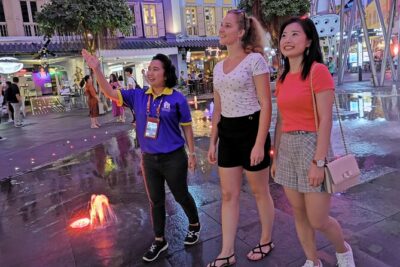 ★ 5.0Small Group: Singapore Street Food & Night Tour with 9 tastingsFrom $791,240 reviews
 ★ 4.5The Award-Winning PRIVATE Food Tour: 10 Tastings of 3 CulturesFrom $1521,017 reviews
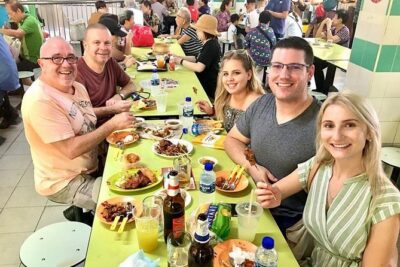 ★ 5.0Chinese, Indian & Arabic Quarters, Culture & Food TourFrom $148789 reviews
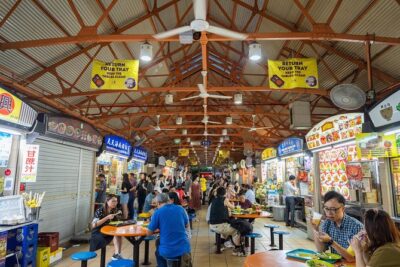 ★ 5.0UNESCO Street Food & Cultural ExperienceFrom $161524 reviews
 ★ 5.0Singapore Market to Table Culinary Experience (Wet Market Tour included)From $112479 reviews
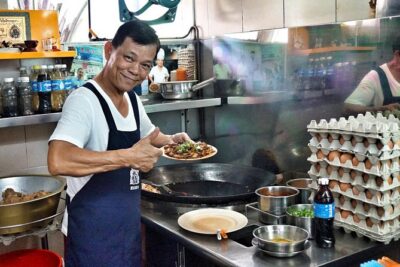 ★ 5.0Small-Group Food Tour With Hawker Center: Eat Like A LocalFrom $161420 reviews
 ★ 5.0Singapore Private Food, Culture and Heritage Tour with 9 tastingsFrom $185394 reviews
Where this one also appears