
Reviewed · SINGAPORE TOURS
Exploring Singapore’s Forgotten Hills
Singapore has hills you can still forget.
This 3.5 hour walk through southern Singapore mixes nature trails with military and port-era stories, so you see more than just views. It starts at Harbourfront, climbs toward Mount Faber, then moves along parts of the Southern Ridges to Henderson Waves, and finishes near Labrador Park.
Two things I really like: you get classic Singapore scenery without the big-city crowd energy, and the guide connects what you see to how the island became a major shipping and transshipment hub. Another plus is the small group size, capped at 8, so questions actually get answered instead of pushed aside.
One consideration: it is a moderate walking route, with stairs and a few climbs, so it is not ideal if you want zero incline. If your pace is slow, you will still be okay, but go in with comfy shoes and realistic expectations for the walk.
Key highlights you should care about
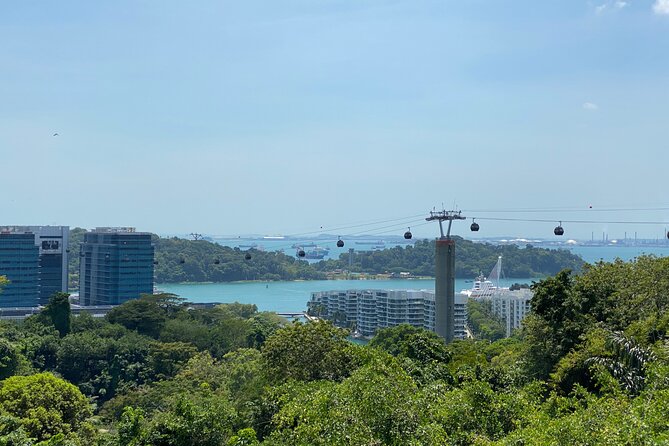
- Southern Ridges harbor views from Mount Faber Park, with a quick trail climb
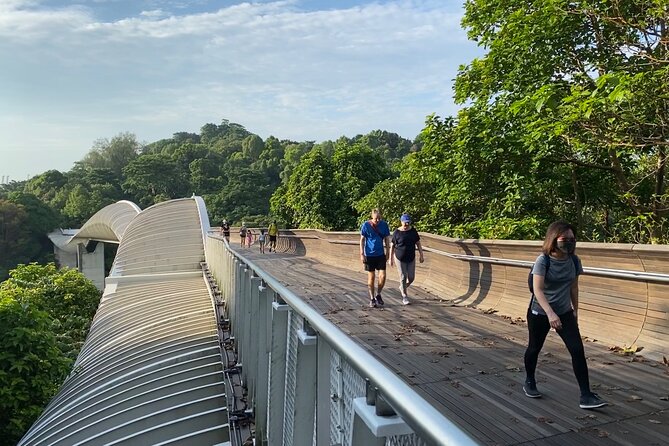
- Henderson Waves stopping point, the highest pedestrian bridge in Singapore
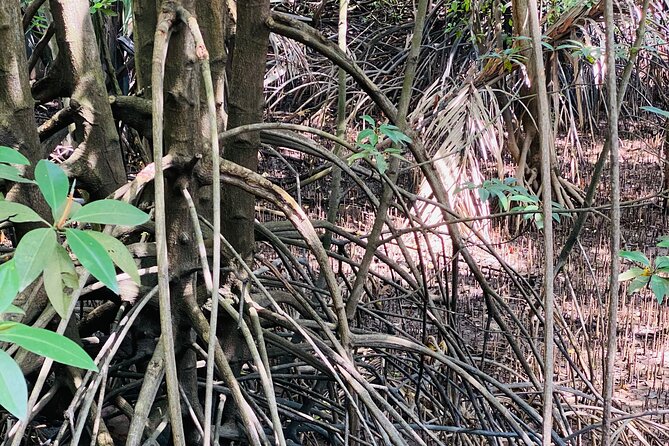
- Labrador Nature Reserve mangroves plus a 140 year old coastal military fort
- Small group limit of 8 which makes the walk feel personal
- Route free admissions at the listed stops, supported by a mobile ticket
Other Singapore bookings that would slot into the same half-day.
- Lion City Bike Tour of Singapore★ 5.0 · 6,211 reviews
- Singapore: Gardens by the Bay Bundle Entry Ticket★ 4.3 · 3,726 reviews
- Singapore: Big Bus Hop-On Hop-Off Tour by Open-Top Bus★ 4.5 · 3,261 reviews
- Singapore: Lion City Highlights Bike Tour★ 4.9 · 2,010 reviews
Why Mount Faber to Labrador Park works so well
Most Singapore walking tours stick to one theme, either plants and trails or monuments and museums. This route blends both in a way that makes sense: you start high above the harbor, you move through a designed park corridor, and you end in one of the last mangrove areas in the south. Along the way, you get the why behind the places, from early island life to modern port thinking.
I like the order of stops. The morning climb at Mount Faber gets your legs going and your eyes oriented toward the harbor. Then the trail and bridges keep things moving, and Labrador Park gives you a calmer finish where you can spot mangrove wetland details and focus on the coastal fort story.
If you’re short on time and want a meaningful slice of Singapore that feels more like outdoors than sightseeing, this is a strong match. It is also a solid choice if you’ve already seen the downtown sights and want something that feels more local.
Mount Faber Park: your first payoff and a fast warm-up
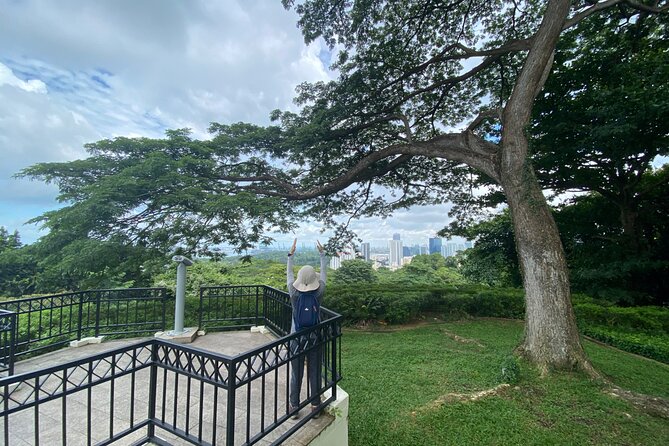
The tour begins with a short climb via the Marang Trail to Mount Faber Park, reaching the highest point along the Southern Ridges trail area. This is where you get one of the earliest reality checks about Singapore: yes, it is dense, but you can still look out over water and southern seas from a green vantage point.
I like this stop because it sets expectations for the whole day. You immediately get the “why” for the route. You are walking through the Southern Ridges system, not just collecting photo points, so the view helps you connect the trail corridor to the coastline.
Admission at this stop is free, and it is only about 30 minutes in total. That makes it a manageable start for most people with moderate fitness. Just remember, it is still a climb, so treat it like a warm-up, not a stroll.
Southern Ridges: a trail with built heritage in the same frame
After Mount Faber, you walk a portion of the Southern Ridges trail. This is the heart of the nature-to-city story. You spend about 1.5 hours moving along the ridge line, which gives you a steady rhythm: look for plants and trail details, listen for the history the guide connects to specific spots, and take short breaks when the scenery earns it.
What makes this section special is the blend. You are not only surrounded by greenery, you also track Singapore’s built heritage as the landscape transitions from park to infrastructure edges. That combination matters because it mirrors the city’s real balancing act: urban growth next to ecological areas.
In one of the most appreciated moments from past walks, the guide’s storytelling covered more than the immediate scenery, including how Singapore’s education system is structured (K-12), the British colonial period, and the Japanese occupation during World War II. You do not need a history textbook for that to land. The best part is that the stories are tied to what you can see around you.
A small drawback here: since it is a trail walk, the pace depends on how often you stop for photos and questions. If you are trying to keep a tight schedule after the tour, plan extra buffer time for a slow stroll mode.
Henderson Waves: where the trail turns into a viewpoint

Then comes Henderson Waves, about a 15-minute stop. It is the highest pedestrian bridge in Singapore, and it is also one of those places that feels designed for Instagram, even if you don’t care about Instagram. The point is the experience: you cross high above the greenery, and you get a strong view corridor to match the ridgeline route.
I like that the stop is short. Bridges can be fun, but you can burn time waiting for the perfect photo angle. Here, you get the bridge experience without turning the walk into a long detour.
One practical thought. Because it is a major photo stop, bring patience. A bridge is a narrow stage, and people like to stop suddenly for angles. If you move calmly, you will have an easier time getting to your preferred viewpoint.
Also, it’s a good spot to ask the guide one of those “how did this happen” questions. If your guide is the thoughtful type, you can often connect the bridge and trail planning to broader themes like harbor development and the island’s modern role as a transshipment hub.
Labrador Nature Reserve: mangroves plus a 140 year old fort
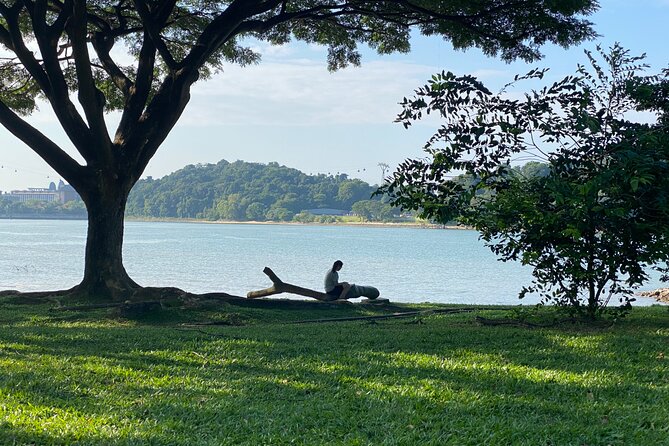
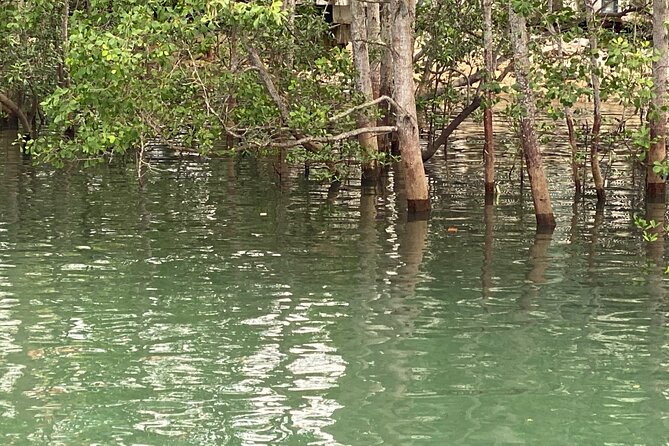
The ending section is Labrador Nature Reserve, about 45 minutes, and it is the most distinct atmosphere on the route. This is one of the last remaining mangrove wetlands in the south, and it sits inside Singapore’s nature reserves system. That means you’re not only walking through a pretty green patch, you are moving through an ecosystem that supports coastal life.
What you may notice, if conditions and timing allow, is how mangroves change the feel of the environment. The air and ground texture can feel different than the hill trail sections. You slow down naturally. Even if you came for views, you leave thinking about ecology.
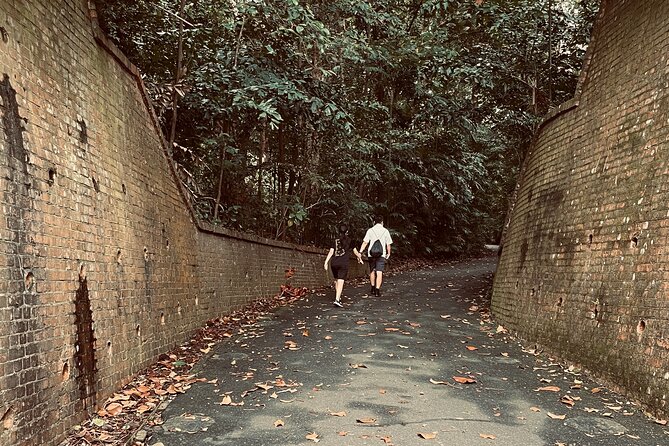
Then there is the military side. Labrador also connects to a 140 year old military fort built to protect Singapore Harbour. Past coastal artillery defenses like this are one of the best ways to understand Singapore’s maritime priorities, because the coastline was the front line for centuries.
I like that this portion gives you both sides of Singapore: the living coast and the defended coast. And because it’s close to the end of the walk, you can settle into it instead of rushing through.
If you are hoping to fully “soak it in,” keep your phone and photos in check. This is the section where your eyes do better when you spend a little less time framing and a little more time noticing details like mangrove features and fort structure.
What your guide actually adds to the walk
The big reason people recommend this tour is the way the guide connects small details to the big story. You’re not just told where to walk. You’re told what to look for, why certain places mattered, and how the island changed over time.
From previous trips, guide names like Tang, TC, and Tuan show up, and the common thread is prep and pacing. The guide explanations can include local flora and fauna, with specific plant spotting moments. One example mentioned is pointing out a double decker hibiscus, described as the El Capitolio Hibiscus. Even if you do not remember every scientific name, you’ll still come away with a better sense of what you’re seeing.
History topics also show up during the route, including British colonization and the Japanese occupation during World War II. The guide may also connect those stories to modern development themes, like Singapore’s port future and plans associated with major facilities such as Tuas Mega Port.
Here’s the practical benefit: if you get tired of generic sightseeing scripts, this tour offers more conversation. It also helps if you travel with a curious kid. Several past walkers highlighted that the guide stays patient with questions and can match different attention spans, including slower pacing on stairs.
Pace, timing, and what the 3 hours 30 minutes feels like
This is a 3 hours 30 minutes walking tour, starting at 8:30 am and ending outside Labrador Park MRT station on the Circle Line. The format is straightforward: move between stops, take short breaks at viewpoints, and finish with the mangrove and fort area.
You should plan for a moderate fitness level. The Mount Faber section includes a climb and stairs. Even if you consider yourself fit, it is still early, warm-weather friendly pacing, not a jog.
In real life terms, I suggest you treat the walk like this: you will be moving most of the time, but you will also stop enough to learn. If you’re someone who likes to ask lots of questions and take photos often, expect to finish feeling like you did a proper workout, but one with great payoffs.
What to bring matters more than you’d think. Wear shoes with grip for trails. Bring a hat and water. And if you’re sensitive to heat, earlier morning start times are your friend.
Getting the most from the route without rushing
Even though it is a guided walk, you get better value when you show up ready to observe. The route changes scenery quickly, so you’ll want to focus on a few categories:
- Views: pick one or two angles you care about most, like harbor views from Mount Faber and the perspective from Henderson Waves.
- Plants and ecology: Labrador is your best chance to notice mangroves and coastal wetland behavior.
- Story connections: ask the guide how a specific site links to Singapore’s maritime role and the shift from older island life to modern port operations.
I also recommend using the bridge and ridge sections to slow your breathing and reset. Bridges are short, and ridge walks can feel long if you keep your brain in photo-taking mode.
Finally, because the group size is capped at 8, you can actually interact. If there’s something you’re curious about, ask early. Don’t wait until the end, when the best spots might already be behind you.
Price and value: about $64.38 for a small-group story walk
The price is $64.38 per person for roughly 3.5 hours, with mobile tickets and group discounts listed. The part that makes this feel like good value is that the tour includes several stops with admission noted as free, plus a guide who adds context rather than just pointing.
You’re paying for time, route planning, and the explanation. That is what turns a trail walk into a “learn something real” experience. And with a maximum group size of 8, you should not feel like you are part of a herd.
A quick reality check: the tour is best when you actually use the guide’s strengths. If you hate stopping, asking questions, or listening for a 30 second story, you may see this as expensive for a walk. If you like stories tied to place, it can feel like one of the more reasonable ways to get depth in Singapore without spending all day in indoor museums.
Booking-wise, the average is about 46 days in advance, so if you have fixed dates, plan ahead rather than gambling on last-minute availability.
Who should book this, and who might skip it
Book it if you want a Singapore day that includes outdoor time, harbor views, and a clear connection between nature and the island’s strategic history. It’s also a good fit if you enjoy walking routes where the guide teaches you what matters, not just where to stand for a picture.
It may not be ideal if you need step-free access or want a purely flat route. The Mount Faber warm-up includes climbing and stairs, and the ridge sections are still active walking.
It’s also smart for repeat Singapore visitors who already know the city center basics. This is more about southern green space, mangroves, and defense-era coastal structures, with modern port context woven in.
Should you book this forgotten hills walk?
If your ideal Singapore trip has a mix of fresh air and context, I’d say yes. This tour is built for people who like real place-based learning, not just checklist sightseeing. With free admission at the listed stops, a small group cap, and a route that ends at a mangrove wetland and fort, it has a nice internal logic.
If you’re chasing only landmarks from a postcard angle, you might want something more downtown. But if you want a morning walk that makes southern Singapore feel like its own story, this one earns a spot on your itinerary.
FAQ
How long is the walking tour?
It runs for about 3 hours 30 minutes.
What fitness level do I need?
You should have a moderate physical fitness level, since the route includes climbs and stairs.
Where do I start and where do we end?
The tour starts at Harbourfront at 8:30 am, and it ends outside Labrador Park MRT station on the Circle Line.
Are entrance tickets included?
Admission is listed as free for the stops in the itinerary.
What’s the group size limit?
The maximum group size is 8 travelers.
What happens if the weather is poor?
The experience requires good weather. If it’s canceled due to poor weather, you will be offered a different date or a full refund.
More Tour Reviews in Singapore




Newest on the Singapore beat


Singapore Tours, side by side.
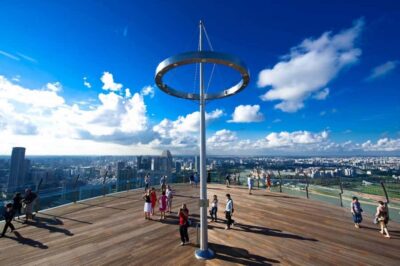 ★ 4.5Marina Bay Sands Observation Deck E-TicketFrom $276,483 reviews
 ★ 5.0Lion City Bike Tour of SingaporeFrom $686,211 reviews
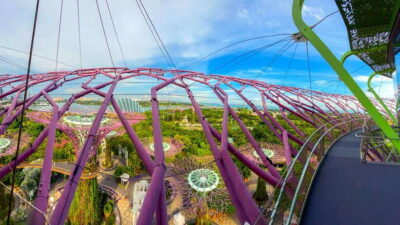 ★ 4.3Gardens by the Bay Bundle Entry TicketFrom $73,726 reviews
 ★ 4.4Gardens by the Bay Admission E-TicketFrom $73,498 reviews
 ★ 4.5Big Bus Hop-On Hop-Off Tour by Open-Top BusFrom $513,261 reviews
 ★ 4.5Singapore River CruiseFrom $202,388 reviews
 ★ 4.9Lion City Highlights Bike TourFrom $672,010 reviews
 ★ 5.0Experience Singapore: Cultural Cooking ClassFrom $961,514 reviews