
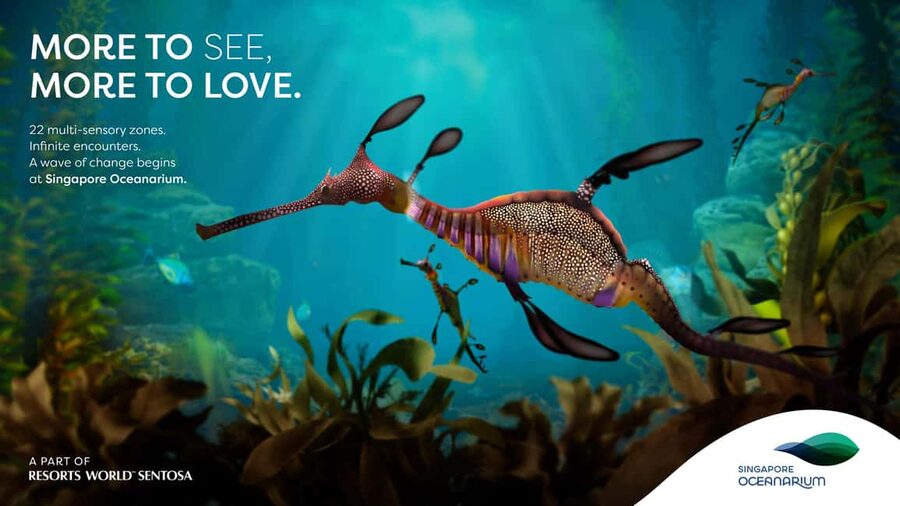
Reviewed · TICKETS
Singapore: Singapore Oceanarium Entrance Ticket
A wall of moon jellyfish stops you fast. The Singapore Oceanarium is built around that kind of wow, from a giant kreisel tank packed with 5,000+ moon jellyfish to a huge 36m-wide panel where you can watch reef manta rays and zebra sharks glide by. I also like how the exhibits do more than show animals. You get hands-on learning in an interactive mangrove habitat, plus stories of marine evolution to land using life-sized animatronics and fossils.
One consideration: this is an indoor, self-paced walk. If you only have a tight schedule, you may feel like you paid for a longer-than-you-planned visit. Aim for a relaxed pace, not a rushed checklist.
What makes it especially appealing is the mission side. The Oceanarium is tied to research, education, and conservation, and it even has a sustainability-focused Research and Learning Centre certified Green Mark Platinum Zero Energy and powered by solar. If you care about what you are supporting, that context makes the ticket feel more meaningful.
Key highlights worth your time
- 5,000+ moon jellyfish in a kreisel tank that keeps the whole area calm and mesmerizing
- Interactive mangrove habitat with touch-friendly biodiversity displays
- Marine-to-land evolution shown with life-sized animatronics and fossils
- Whale falls deep-sea exhibit explaining how whale carcasses sustain ecosystems
- 36m-wide reef window for manta rays and zebra sharks
- Research and Learning Centre powered by solar, with Green Mark Platinum Zero Energy certification
Other attraction tickets worth booking ahead
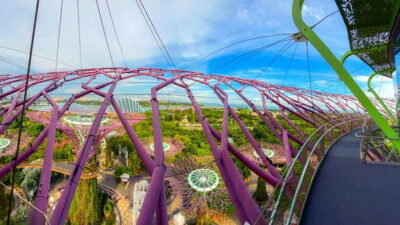
- Singapore: Gardens by the Bay Bundle Entry Ticket★ 4.3 · 3,726 reviews
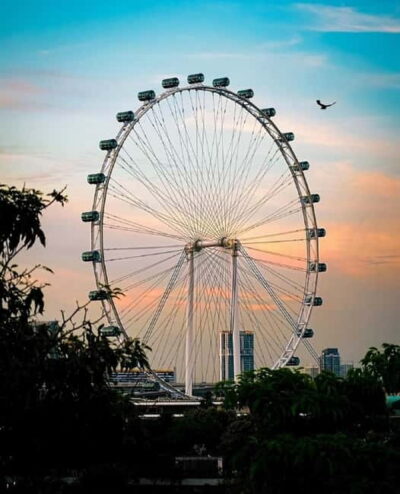
- Singapore: Singapore Flyer Entry Ticket★ 4.7 · 907 reviews
- Singapore: Sentosa Wings of Time Fireworks Symphony Ticket★ 4.3 · 321 reviews
- Singapore: Museum of Ice Cream Entrance Ticket★ 4.3 · 225 reviews
Singapore Oceanarium at Resorts World Sentosa: what your ticket gets you
The Singapore Oceanarium sits inside Resorts World Sentosa, and the ticket is simply admission. That sounds basic, but it matters because you can go at your own pace. There is no need to keep up with a group timeline, so you can linger when something catches your eye.
Think of it as a layered experience. First, you get major animal encounters. Then you get explanations for what you are seeing, including how marine life connects to ecosystems on land and in the sea. Finally, the Oceanarium frames it with education and action through research and conservation work.
At $43 per person for a 1-day ticket, the value comes down to whether you like aquarium time. If you enjoy watching animal behavior for a while, you will likely feel like the ticket pays off. If you want a quick stop and you are not a big marine-life fan, you might wish you had budgeted less time.
Kreisel tank of moon jellyfish: the calm wow moment
The standout exhibit is the kreisel tank, one of the world’s largest described here. The big detail is not just the size, it’s what it lets you experience: a concentrated view of 5,000+ moon jellyfish.
Why this matters for your visit: jellyfish look different depending on the flow of water. In a kreisel setup, that gentle circulation helps create a soothing, slow-moving pattern. It feels less like a quick glance and more like a place to settle in.
Here is how I suggest you use this moment. Don’t stand 20 seconds and move on. Pause long enough that you start noticing behavior changes, like how the group spreads and tightens again. Even if you think you already get it, a few extra minutes can make the tank feel like a living scene rather than a display.
If you are visiting on a rainy day, this is also a strong pick because it is indoor time with steady payoff. No weather guessing. No outdoor distractions. Just keep the mood slow and let the tank do the work.
Interactive mangrove habitat: touch-friendly nature that sticks
Not every aquarium does interaction well. The Oceanarium’s mangrove habitat is designed for learning you can do with your hands, using touch-friendly biodiversity displays.
Mangroves are a great topic because they are both simple and complex. They look like wet forest roots from one angle, but function like nurseries, filters, and shelter systems in a wider ecosystem. When the displays are interactive, you can connect the animal and habitat story more quickly than you can with labels alone.
How to get more out of it: treat the touch screens like mini prompts. If you see a display about the habitat role, connect it to what you will later see in other exhibits. Whale falls teach about ecosystem support in a different way. The mangroves teach about support in yet another way. Put those ideas together and the whole visit becomes more than a list of tanks.
This section also helps families, and it helps adults too. Adults often come in wanting clear science. The touch displays make the learning feel practical, not lecture-y.


Marine evolution to land: animatronics and fossils that explain the why
The Oceanarium includes life-sized animatronics and fossils showing marine evolution to land. This is the kind of exhibit that can either feel random in an aquarium setting or feel like the missing chapter. Here, it aims to show that evolution is not one big leap. It’s a pathway shaped by environments and body changes.
Why I think this works: it gives your brain a story thread. After watching a tank full of animals, you suddenly understand the bigger question of how life transitions across environments. It reframes marine viewing from pure spectacle to a long-term biological journey.
One way to approach it: don’t rush the fossils section. Fossils are only impressive when you slow down enough to read what they are telling you. If you move through it like a corridor, you will miss the time scale.
If you are traveling with kids, this is also a good anchor. Animatronics tend to hold attention, and fossils give the stop a learning payoff.
Whale falls in the deep-sea exhibit: the ecosystem lesson most people miss
A deep-sea exhibit focuses on whale falls, specifically how they can sustain entire ecosystems. That concept is fascinating because it turns a tragic image into an ecological foundation.
In simple terms, whale falls are like one-off events that still create a chain reaction. Different organisms can use the available energy and nutrients, and over time the site supports multiple stages of life. Even if you have never heard the term before, the exhibit is designed to make the process understandable.
What to look for while you are there: try to connect the “food source” idea to the “ecosystem” idea. This is where the visit becomes educational in a way you can recall later. You stop thinking of deep-sea life as random creatures floating in darkness. You start seeing it as part of a system where resources get used, recycled, and transformed.
If you like theme-based learning, this exhibit is a highlight because it does not just show an animal. It explains how survival works at a larger scale.
The 36m-wide reef panel: manta rays and zebra sharks up close
Then you get the big showpiece, a 36m-wide panel designed for reef manta rays and zebra sharks. This is the moment you can build your whole visit around if you love large, cinematic aquarium views.
A wide panel changes how you watch. You get more space for motion, so you feel the scale of the animals instead of seeing a single viewpoint. Reef manta rays also tend to move with a smooth, coordinated rhythm, which makes their presence feel graceful. Zebra sharks have a different style, more patient and grounded, so the panel gives you a mix of motion and stillness.
Practical tip: give yourself time to sit. One of the best ways to do this exhibit is to take a snack and linger near the big tank area. You can keep returning to the panel without needing to keep walking. It makes the ticket feel like a full experience, not a sprint.
If you want the best pacing, use the mantas and sharks panel as your “finish strong” moment. Start with the story exhibits, then end with the view.
How long to plan, how to pace it, and what feels worth lingering on
You have a 1-day ticket, and you can absolutely stretch it. But if you want a practical plan, I suggest giving yourself around two to two and a half hours for the core circuit, then adding time for whatever grabs you.
Here’s how I would pace it:
- Start with the exhibit that makes you curious first, usually the kreisel jellyfish.
- Mix in one interactive habitat section so the learning feels hands-on.
- Take your time on the evolution and fossils part, because it rewards slower reading.
- Save the big window panel for when you want the most relaxing payoff.
Rain does not matter much here since the Oceanarium is indoors. That makes it a strong option when Singapore weather keeps shifting. It also means your energy matters. Wear comfortable shoes because the experience is built for walking between different scenes.
Food-wise, keep it simple. Plan to snack near the main tank area rather than rushing offsite. Spending a moment sitting and watching is part of what makes this worth it.
Price and value: is $43 a smart buy?
Let’s talk value honestly. At $43 per person, you are paying for a world-class aquarium experience plus education and research framing. The question is how much of that you will actually use.
Here is what supports the price:
- Major exhibits with clear “wow” moments, like the kreisel tank and the 36m-wide reef panel.
- Interactive elements in the mangrove habitat, so it is not only passive viewing.
- Educational storytelling, including marine evolution to land and whale falls.
- Conservation credibility tied to research and a dedicated centre designed around sustainability.
Here is what can lower the value for some people:
- If you go fast, you may not connect the story threads between exhibits.
- If you are only into very specific animals, you might spend time walking through sections that are not your top interests.
So the smart move is to decide what kind of aquarium fan you are. If you like science explanations and you enjoy staying put to watch animals, this ticket is likely worth it. If you prefer quick sights, you may want to limit the time you spend inside.
The conservation and research angle you should notice
A lot of aquariums show animals. This one also leans into why it matters. The Oceanarium’s mission includes inspiring knowledge and appreciation for the ocean and aquatic life, supporting research, and promoting conservation for threatened species.
It also notes accreditation and memberships, including AZA accreditation and ties with WAZA and SEAZA. Those details are not magic, but they do signal that the Oceanarium aims to meet standards related to animal care and institutional practices.
The most concrete sustainability piece is the Research and Learning Centre. It is certified Green Mark Platinum Zero Energy and powered by solar. That means the Oceanarium is trying to reduce energy use in a measurable way, not just making generic environmental claims.
When you factor that in, the ticket stops being only entertainment. It becomes support for a learning and research environment. You may still go for the jellyfish and manta rays, but you will leave with a clearer sense of the Oceanarium’s role.
Should you book the Singapore Oceanarium ticket?
I think you should book if you want a strong mix of spectacle and learning in one place. The kreisel moon jellyfish tank and the 36m-wide reef panel are the two main “wow” reasons. If you enjoy hands-on displays, the mangrove habitat is a good reason to slow down. If you like science stories, the evolution-to-land and whale falls exhibits give your visit a narrative.
Skip or reconsider if you are in “quick stop” mode. A $43 ticket works best when you actually spend time there. If you can only spare a short window, you might not get the full payoff.
One more timing note: the Oceanarium will be closed to the public on 13 June 2026, and hours can change. So check timing before you lock in your day plan.
FAQ
How long is the Singapore Oceanarium ticket valid?
The ticket is valid for 1 day.
Where do I redeem my admission ticket?
Please proceed directly to the Singapore Oceanarium for redemption.
Is the Oceanarium wheelchair accessible?
Yes, the Singapore Oceanarium is wheelchair accessible.
Can I get a refund after I buy the ticket?
No. The activity is non-refundable.
Are tickets valid only during regular park hours?
Yes, the ticket is valid only during regular park hours and not for Exclusive Events.
Is the Oceanarium ever closed to the public?
Yes. The Singapore Oceanarium will be closed to the public on 13 June 2026. Hours may also change without notice.
Other Tickets Worth Booking Ahead

More Tour Reviews in Singapore




Newest on the Singapore beat


Tickets, side by side.
 ★ 4.5Marina Bay Sands Observation Deck E-TicketFrom $276,483 reviews
 ★ 4.3Gardens by the Bay Bundle Entry TicketFrom $73,726 reviews
 ★ 4.4Gardens by the Bay Admission E-TicketFrom $73,498 reviews
 ★ 4.5Sentosa Cable Car Sky Pass TicketFrom $241,449 reviews
 ★ 4.4Universal Studios Singapore Entry TicketFrom $601,376 reviews
 ★ 4.4Universal Studios Singapore Entry TicketsFrom $551,268 reviews
 ★ 4.1Night Safari Entry Ticket with Tram RideFrom $45952 reviews
 ★ 4.7Singapore Flyer Entry TicketFrom $31907 reviews