Reviewed · SINGAPORE
Disappearing Trades
Three vanishing trades, one great morning. This private half-day around Singapore is built for people who like the stories behind everyday foods, not just photos. I especially like the coffee and bread tastings, and the way a private guide keeps the pace friendly while you ask real questions.
You’ll move through four stops, each one focused and short, so the experience works best if you’re curious and ready to pay attention. One consideration: you get about 30 to 45 minutes at each location, plus some walking, so it’s not the kind of tour where you linger for an hour in just one place.
Key Highlights Worth Planning Around
- A private route through three “disappearing trades” you won’t easily line up on your own
- Tasting kopi O plus freshly made bread during the morning
- Chinatown snack education, including sachima and fermented biscuits
- An Ang Mo Kio paper house visit that explains ancestor offerings through paper objects
- A mix of walking and a comfortable small, air-conditioned bus ride
- Guides can be named in feedback, with Stefan singled out for answering questions clearly
Other Singapore bookings that would slot into the same half-day.
- Lion City Bike Tour of Singapore★ 5.0 · 6,211 reviews
- Singapore: Gardens by the Bay Bundle Entry Ticket★ 4.3 · 3,726 reviews
- Singapore: Big Bus Hop-On Hop-Off Tour by Open-Top Bus★ 4.5 · 3,261 reviews
- Singapore: Lion City Highlights Bike Tour★ 4.9 · 2,010 reviews
Why This Tour Feels Different From Typical Food Stops
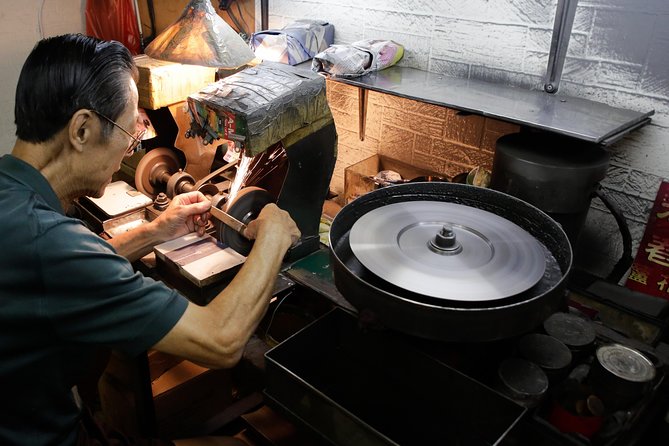
This is not a straight-up tasting tour. Yes, you sample kopi O at the coffee stop and you get bread later, but the real value is the “how it works” part. You’re seeing crafts and food traditions that are slowly getting pushed aside by modern convenience.
Singapore changes fast. This tour slows your morning down in a good way, and it connects what you eat to the people who made it, the tools they used, and why the work matters. Even if you’ve eaten sachima or enjoyed kopi before, you’ll get a better sense of the effort behind the familiar flavors.
The private format matters too. With only your group, you can ask practical questions and clarify details on the spot. That makes the whole thing feel less like a checklist and more like a conversation with someone who can explain trade-offs, techniques, and the tiny routines that keep a craft consistent.
The Simple Logistics That Make a 4-Hour Tour Work
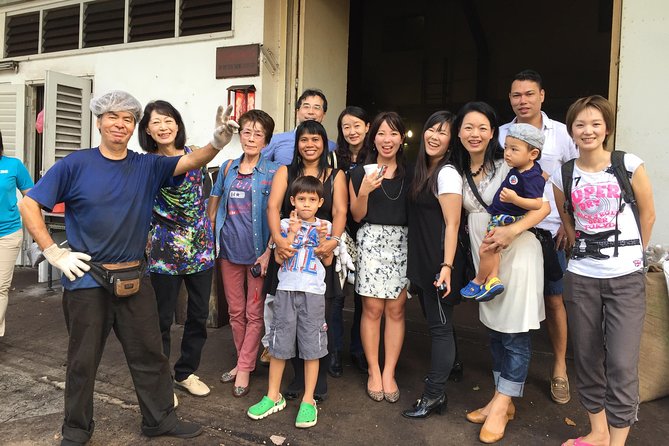
This runs in the morning, starting at 9:00 am and lasting about 4 hours. You meet at 69 Pagoda St, Singapore 059228, and the tour ends back at the same meeting point, which is convenient if you want to head for lunch afterward.
Transport is handled for you. Based on feedback, it’s a combo of walking and short rides in a small air-conditioned bus, so you’re not stuck catching taxis between neighborhoods. Still, wear comfortable shoes, because you will walk enough to make footwear matter.
If you plan ahead, you’ll avoid last-minute stress. The tour is often booked about 63 days in advance, which tells me it fills up, especially on popular weekdays.
Chinatown Stop: Sachima and Fermented Biscuits
Your first stop is Chinatown, where you visit two traditional, fading food crafts: sachima and fermented biscuits. You spend about 45 minutes here, and admission is listed as free, which helps keep the overall cost fair.
Sachima is the kind of snack people often recognize by name, but fewer people understand how it’s built. The lesson here is about origins and process, so you’ll connect the snack to local taste, local ingredients, and the handwork behind a compact treat. That matters because many “street snack” stories get simplified online, but the real story is in the method.
Then there are the fermented biscuits. Fermentation sounds abstract, until you’re guided through what it changes and why it’s worth the patience. This is one of those stops where a guide can help you notice differences you’d otherwise miss, like how texture and flavor come from time and handling, not just seasoning.
A small drawback: Chinatown is busy, and this stop is short, so come with a clear mindset. If you’re the type who likes to look closely and read signs, you may wish you had more time, but that’s the trade-off for fitting three disappearing trades into one morning.

Bedok Coffee Roasting Factory: Learning Kopi from the Source
Next you head to Bedok for a coffee roasting factory visit. You get about 30 minutes here, again with free admission listed, plus a sampling of kopi O, which is black coffee.
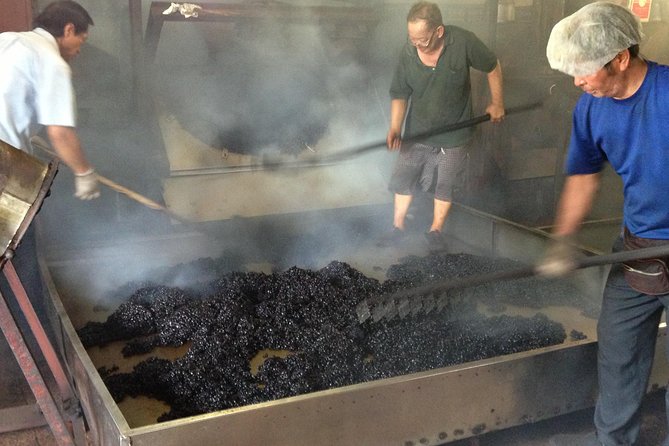
This is a smart choice for a tour like this because coffee is everywhere in Singapore, but roasting knowledge usually stays behind closed doors. The factory visit is built around the local kopi industry and the tricks of the trade, including roasting techniques and what roasting changes in the cup.
The tasting is the practical payoff. When you smell and taste what’s been roasted on-site, it’s easier to understand why the guide is talking about technique. You’ll also be better prepared for ordering later, because you’ll know what questions to ask if a café offers different roast styles.
In terms of pace, 30 minutes is brisk, but coffee roasting is visual and sensory, so it moves faster than you might expect. If you’re a coffee nerd, you’ll likely enjoy this stop most when you treat the tasting as feedback, not just a sample.
Ang Mo Kio Paper House: Ancestor Offerings Explained
Then comes one of the most unique parts of the morning: a paper craft house in Ang Mo Kio. You spend about 45 minutes here, with free admission listed.
This stop focuses on how Chinese pray and pay respects to their ancestors through the burning of paper objects as offerings to the afterlife. In practical terms, it’s a guided explanation of symbolism and process, and it gives context to something you might see occasionally but rarely understand.
I like this stop because it’s educational without being sensational. It treats paper craft as a serious craft, with clear meaning and established practice. The “master” perspective is important here, because you’re not just being shown objects. You’re hearing from someone who makes these offerings with care and knows how the details matter.
Consideration for some visitors: the topic is spiritual, so if you prefer only light, playful food content, this may feel more solemn than the snack and coffee stops. That said, it’s exactly the kind of “difficult to discover on your own” experience that makes the tour worth booking.
Paya Lebar Road Park: Bread the Old Fashion Way
Your final stop is by Paya Lebar Road Park, where you learn how bread was made the old fashioned way. You spend about 45 minutes, and admission here is listed as included.
This is the other tasting anchor besides coffee. Bread-making is hands-on in the way that you can understand even if you’ve never baked professionally. The guide’s job is to translate old techniques into something you can recognize, like how dough behaves, how timing affects texture, and why consistency depended on people watching processes closely.
The reason this stop works well as a finale is emotional logic. Snacks and coffee get you in through flavor, but bread gives you grounding. Bread is a daily staple, and the old methods show you that “simple” food often took real labor and attention.
If you’re taking photos, keep in mind that some moments are better observed than recorded. The craft part is where the value is, and you’ll enjoy the last stop more if you prioritize listening over shooting.
What the Private Guide Adds (and Who You Might Get)
A private guide is not just a status upgrade. On a tour like this, it’s how you get the full meaning from short visits. With only your group, you can ask follow-up questions about technique and symbolism while it’s fresh.
One name that pops up in feedback is Stefan, praised for being incredibly knowledgeable and able to answer questions. Even if you don’t get Stefan, the takeaway for you is clear: this tour is set up for discussion. Bring your curiosity.
Good questions to ask as you go:
- What makes this trade harder to keep going today?
- Which step is most sensitive to skill or timing?
- What should I taste for, so I understand the difference between batches?
These questions turn the tour into usable knowledge, not just entertainment.
Price and Value for a $112 Private Morning
The price is $112.00 per person, for about 4 hours, with a mobile ticket. Based on the structure, the tour includes multiple craft visits, tastings, and a guided explanation throughout.
How is that value? First, you’re not paying only for access to places. You’re paying for interpretation. Coffee roasting and paper offerings are not easy to understand if you show up alone with Google and a quick ticket. The guide compresses time and gives you cultural context that would take you much longer to piece together.
Second, the tour includes tastings: kopi O at the coffee stop and bread at the bread stop. Plus, admissions for the first three stops are listed as free, and the bread stop is included. That reduces hidden costs.
Is it cheap? No, it’s a private tour at a premium. But if you want a high-signal morning that feels organized and personal, it’s a fair match for what you’re getting. If you’re traveling with someone who also likes food culture, the cost can feel more reasonable fast, since you’re effectively sharing the guide attention.
Finally, the feedback signals quality, with a 4.7 rating and 98% recommended. Not a guarantee of perfection, but it’s strong enough to take seriously.
Who This Tour Suits Best
This tour fits you if you enjoy food culture with real context. You’ll likely have a great time if you:
- like learning how things are made, not just eating them
- want a route that strings together neighborhoods efficiently
- prefer a private setting where your questions get answered
It also works well for first-time visitors who want to get beyond postcard Singapore. Chinatown and the central neighborhoods are familiar, but the paper house and craft focus push you into the city’s everyday traditions.
If you’re traveling with kids, the pace might feel short, but the craft and tasting parts could still be fun, especially for older kids who like hands-on learning. For seniors or anyone who needs slower walking, I’d plan around comfortable shoes and be ready for short transfers.
Should You Book This Tour?
If your idea of a good Singapore morning includes crafts you can’t easily DIY, I think you should book this. It’s the right mix of food, technique, and cultural meaning, and it does it in a timeframe that doesn’t eat your whole day.
Skip it only if you want long stays, museum-level depth in one stop, or you strongly prefer light topics. The ancestor offerings section is real and spiritual, and it deserves your attention. Also, if you hate walking, you’ll still be doing some on this route.
Overall, this feels like a smart use of time: structured, private, and packed with practical learning. For $112, you’re buying guidance that turns familiar flavors into stories you can actually explain afterward.